

The Center for Economic and Social Studies for Development (CESDE) and the Graduate School of the Universidad Espiritu Santo (UEES) held a virtual discussion on the effects of the protectionist shift in U.S. tariff policy. The event brought together three prominent economists: Augusto de la Torre, professor at Columbia University in New York and former chief economist of the World Bank for Latin America; Ana Maria Gallardo, Dean of ECOTEC University and former Vice Minister of Export Promotion; and Alberto Dahik, General Director of Graduate Studies and CESDE of UEES.
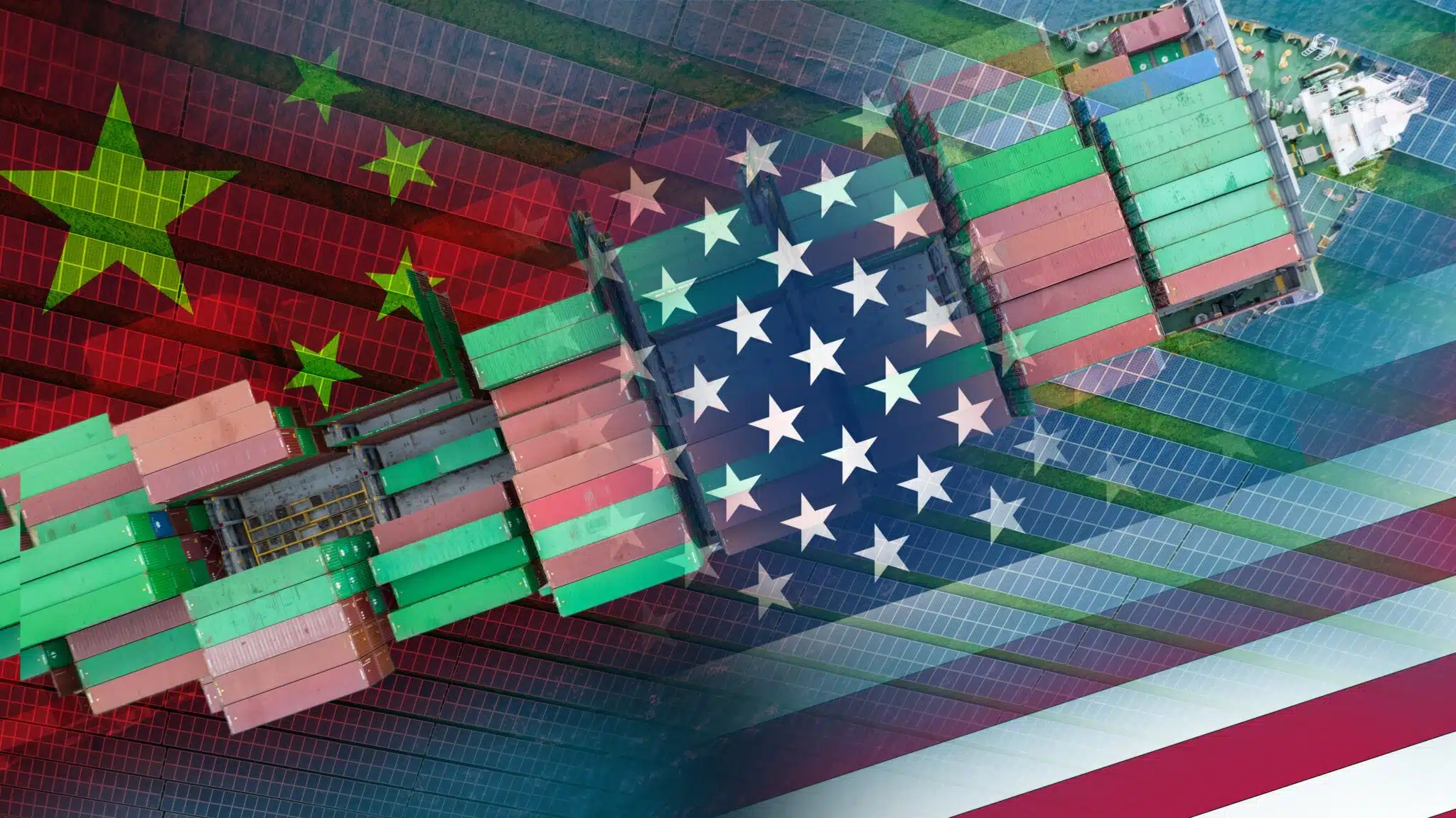
The experts agreed that the sustained increase in tariffs by the United States represents a structural change in its trade policy, with significant global consequences. It was warned that, in a context of high economic interdependence, these measures could provoke a international recession, reduce private investment and weaken supply chains.

The analysis also addressed the specific impact on Ecuador, whose non-oil exports to the United States - mainly bananas, shrimp and flowers - now face tariffs of 10 %. Gallardo noted that more than two thousand Ecuadorian companies are in a vulnerable situation due to the absence of a bilateral trade agreement.
From a geopolitical perspective, economist Dahik warned that the United States is weakening the economic order that consolidated it as world leader, while China is moving forward with strategic investments in technology and infrastructure. This trend could affect the role of the dollar as global reserve currency and redistribute economic power in the international scenario.
As part of the recommendations for the country, the panelists underscored the urgent need to diversify markets, reactivate trade negotiations with the United States, strengthen national productivity and consolidate public-private alliances.. They also highlighted the opportunities offered by nearshoring and active participation in regional trade agreements.
The discussion concluded with a clear message: the world is undergoing a profound transformation in international trade, and Ecuador must prepare itself to adapt to this new scenario with strategic vision, commercial openness and articulated leadership.