


What is interactive design?
To better understand interaction we can consider the Interactive Design Foundation, which defines it as the discipline that examines or records the interaction between user-system through an interface.
The designer Bill Moggridge (2007) in his book Designing Interactions, states that when they began to talk about the formation of a discipline that can handle the creation of interfaces, for a moment the approach was considered with industrial design, as it was more oriented to the creation of objects, since the product had to fulfill a purpose for the people who would use it. At that time he proposed the creation of a new role that could be in charge of these attractive and ingenious solutions for the virtual world, where the role of two-dimensional creator of the graphic designer would evolve to be able to propose the design of experiences, animations, sounds and forms for these interfaces.
What are the applications of interactive design?
The process of creating an interactive product is composed of several steps that when taken into consideration can guarantee the creation of a better product. Perez (2019) collects some of the most important aspects of the interactive product creation process, among which he highlights:
Readability
Every message and every element used within the system must be understood by the users of the product. This means that through elements such as space layout, fonts, icons and graphics, the user will be able to understand the path he/she must follow to accomplish a task.
Usability
During the process of creating an interactive, the user for whom the product is intended must always be kept in mind. The challenge for designers is to make the system “simple” to use, allowing the user to recognize functions and perform actions; the clearer it is to be able to identify the routes that allow tasks to be performed, the more users will be able to use this product.
Functionality
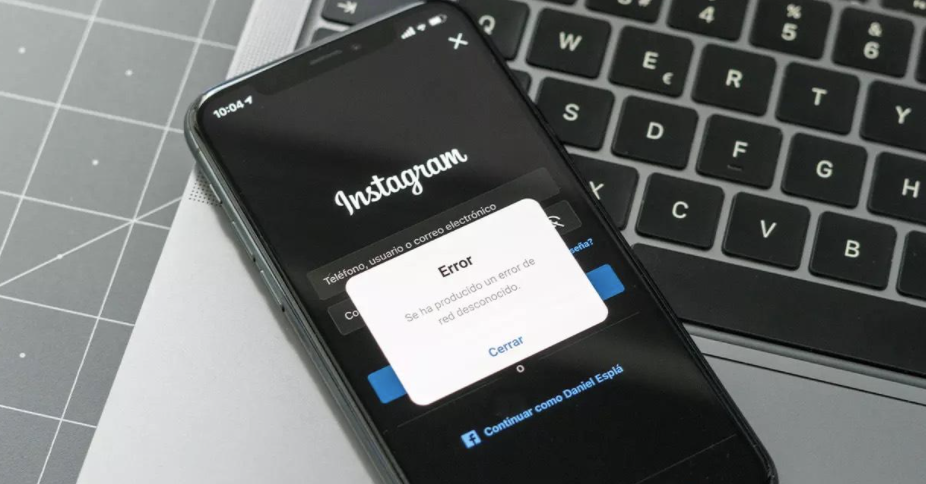
The product should not only be easy to understand, it should also be useful. The combination between these two steps is very important, since the user must obtain the expected result after interacting with the system. For example, if you are looking to change a photo to the next one in the gallery, it is expected that by pressing the “next” button, the photo will change showing what comes next. Within this stage you should avoid any task that is left unfinished or does not lead to where the user expects to go, this can cause frustration on the part of the user who will end up abandoning the system.
Programming
Both the interactive designer and the programmer must understand the importance of each other's work. Within this coexistence, the functionality of the project must be guaranteed, and it is precisely for this reason that the team members must understand a little of each other's area: not to “get involved”, but to find a common language for the development of the project and to be able to move forward without surprises along the way.
Identity
A “pretty” product that is not functional is a product that is useless. A good interactive product should be aligned to the audience and the proposition. Within that consideration, Gillian Crampton Smith and Kevin Silver propose 5 dimensions of interaction design:
1st dimension: Words
The words used to mark the interaction zones (buttons, links, etc.) should be simple and clear for users to understand, but not so loaded with information as to saturate or confuse the user.
2nd dimension: Visual representations
This dimension takes into consideration all the visual elements that the user will encounter within the interfaces; typographies that allow a fluid and clear reading, images that communicate well, icons that allow the user to navigate without misinterpreting its functions, etc. In other words, this dimension takes into consideration all the graphic elements that allow us to communicate with users.
3rd dimension: Space or physical objects
For the development of the object's identity, not only the forms of interaction with the system should be taken into consideration, but also the places where the user interacts with the object, in order to develop a product that can compete with the user's attention in the environment of use.
4th dimension: Time
Of all the dimensions, this is the one that may sound a bit more abstract, but it refers to the time of use of the system; you must consider how many minutes/hours the user will be interacting and based on that, choose the best resources for the experience to be good within the estimated time of use.
5th dimension: Behavior
When we are talking about the fifth dimension we have come to the point of considering how the user is interacting with the other four dimensions, this can help to better define the points of interactions and reactions to the system.
What are the benefits of interactive design?
Definitely the greatest benefit of investing in interactive design processes is in the attributes that can be brought to the project, a much closer look to the user who will be interacting every day with a system. The best we can do is to deliver a product that they can use, that is easy to understand and that allows them to perform a task effectively.