In today's interconnected world, universities worldwide are looking for innovative ways to expose students to challenges that will prepare them to confidently and safely assume their future professions. The School of International Studies and the School of Engineering at UEES have carried out successful international projects to foster this active learning methodology. This article describes the advantages of international collaboration in developing projects that foster challenge-based learning and contribute to the transformation of higher education.
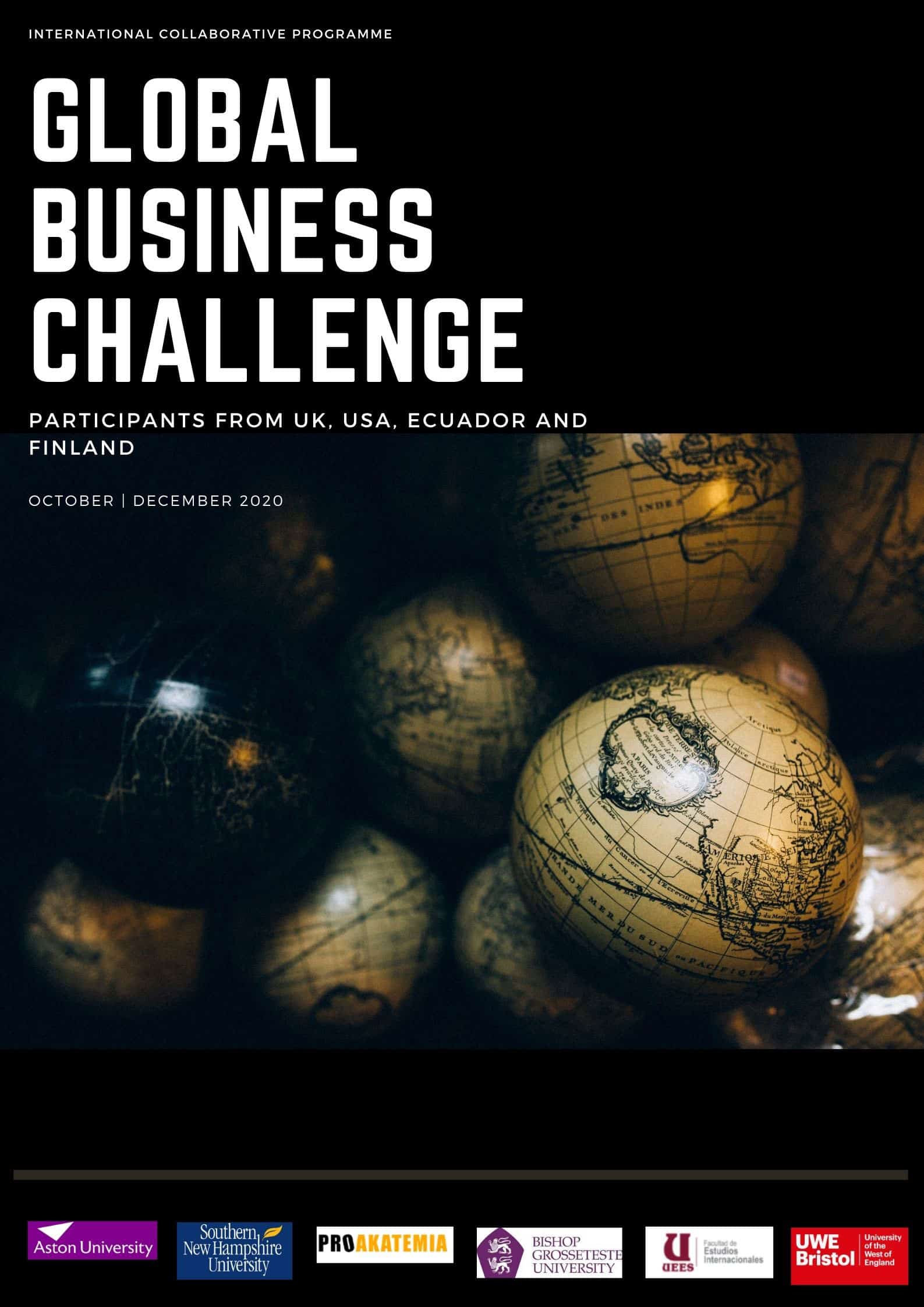
In the case of the School of International Studies, International Business students are exposed to business challenges early in their careers. In the first semester, students work with internationally and culturally diverse teams to solve challenges for companies around the world. Thanks to the collaboration with X-Culture, students have been able to submit proposals for Mercedes-Benz, Louis Vuitton, Home Depot, among others. In addition, the faculty has developed strategic alliances and cooperation agreements with international peers and strategic business partners to develop the Global Business Challenge. The objective of this collaboration is for international teams to propose solutions to problems faced by companies. In both cases, students solve business challenges through virtual exchanges.
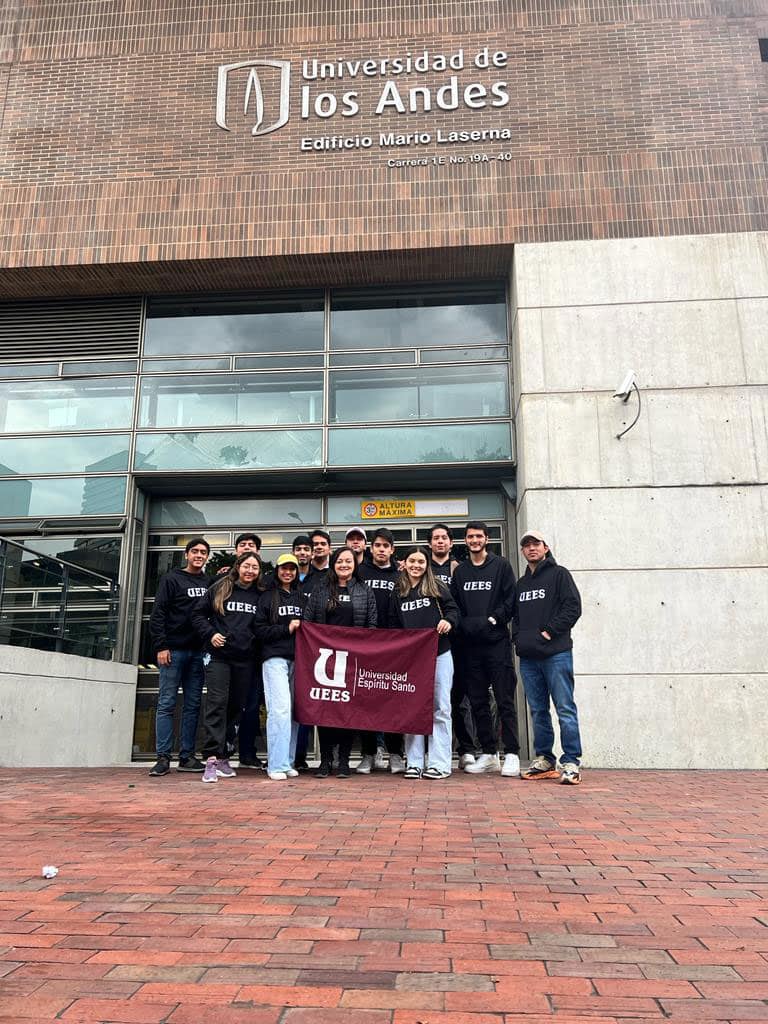
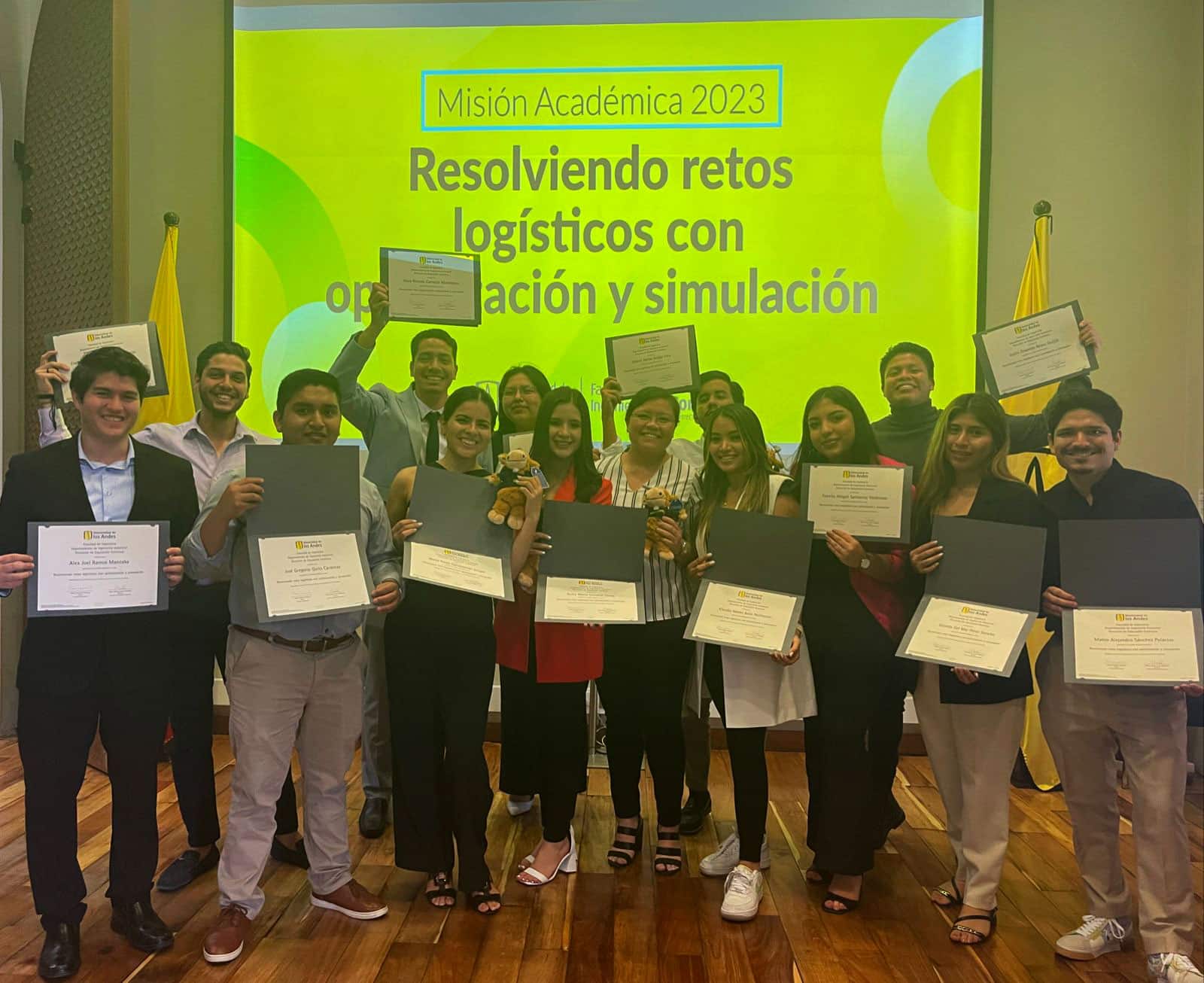
The School of Engineering opted to develop mobility programs with a specialized focus according to the degree program. The School of Industrial Engineering and the School of Civil Engineering chose to implement short, intensive academic missions in which students had to propose solutions to specific problems. For example, Industrial Engineering students visited the Universidad de Los Andes in Bogotá, Colombia, where they had the opportunity to work together with students from Universidad ESEN in El Salvador. Students from both institutions worked on the design of a logistics distribution network, formulated a mathematical model to ensure optimal network design and developed a simulation model to evaluate the proposed design. Each group was evaluated by a group of managers from the Faculty of Engineering of the Universidad de los Andes.
As for the School of Civil Engineering, the students who participated in the academic mission competed in the sustainable cities challenge, with the objective of developing a multimodal sports center project. The project proposal included a sports center in the shape of a coffee bean for the identity of Colombia, which will operate in a sustainable way with clean energy, circular hydro-sanitary system, generating jobs and integrating the citizenship.
This type of international collaboration provides numerous benefits to students, higher education institutions and companies. Students participating in these programs gain real-world experiences that complement the theoretical knowledge they acquire in the classroom. Another benefit of creating challenge-based projects is exposure to future colleagues and clients as networking opportunities open up that can help them secure internships, jobs and other professional opportunities. In addition, it highlights the potential for students to develop the ability to work effectively with other cultures, manage stress, and deal with potential conflicts.
However, not only are there benefits for students, collaboration with local and international companies allows educational institutions to design curricula aligned with the needs and demands of industry. Higher education institutions also benefit from these connections as the synergy between companies and universities ensures that students learn relevant skills. Finally, these initiatives can become a source of talent for future employers, as companies can identify potential candidates for future jobs within the pool of students participating in the challenge-based projects.
In conclusion, the various forms of international collaboration between higher education institutions and businesses benefit students by providing them with relevant learning experiences and networking opportunities. It also helps educational institutions to design relevant and up-to-date curricula. In addition, employers can benefit from these partnerships by identifying potential candidates for future employment.

Universidad Espíritu Santo (UEES), began its academic activities in 1994 as a private, self-financed, non-profit institution. Its spirit of commitment and constant innovation are present in the quality of the service it offers to its community.