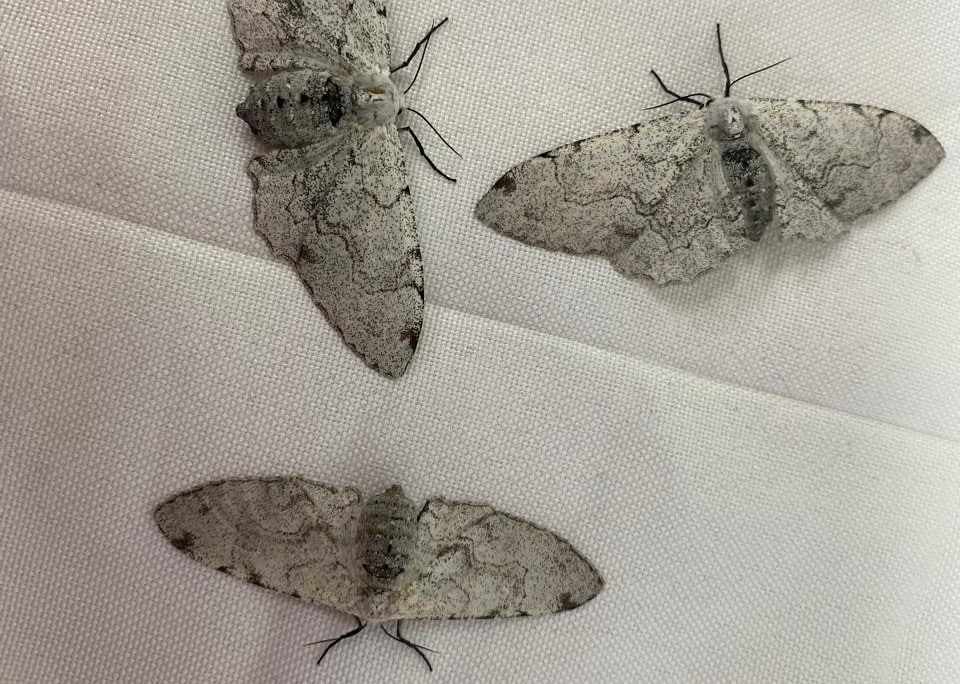

The intense rainfall recorded in recent months has generated environmental conditions that favor the uncontrolled proliferation of the Thyrinteina arnobia, known as the mediator butterfly or mangrove moth, in the mangrove ecosystems of the Gulf of Guayaquil. According to reports from local communities that interact daily with these ecosystems, the massive presence of this nocturnal butterfly native to Latin America has increased significantly, causing defoliation of mangrove leaves.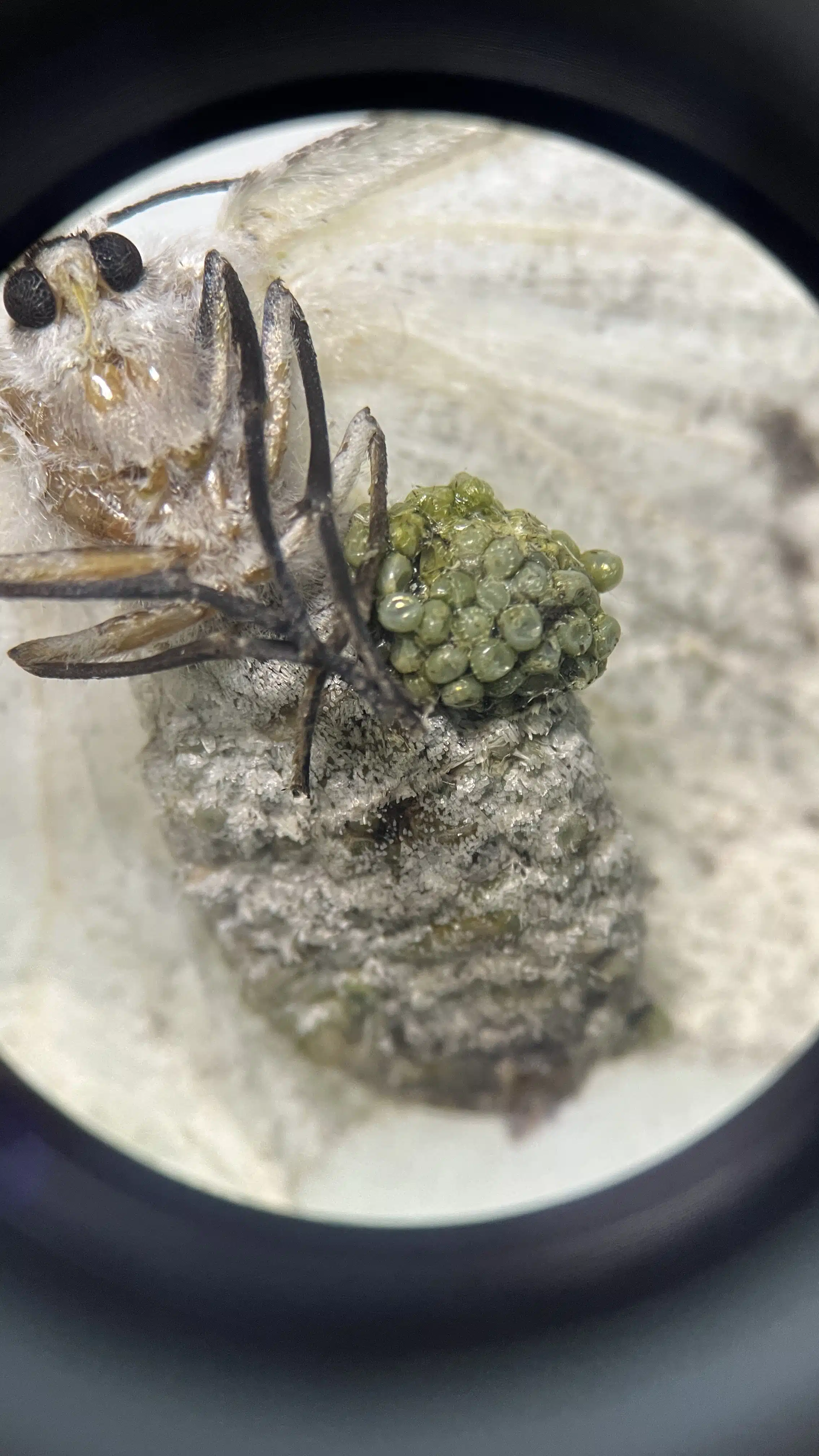
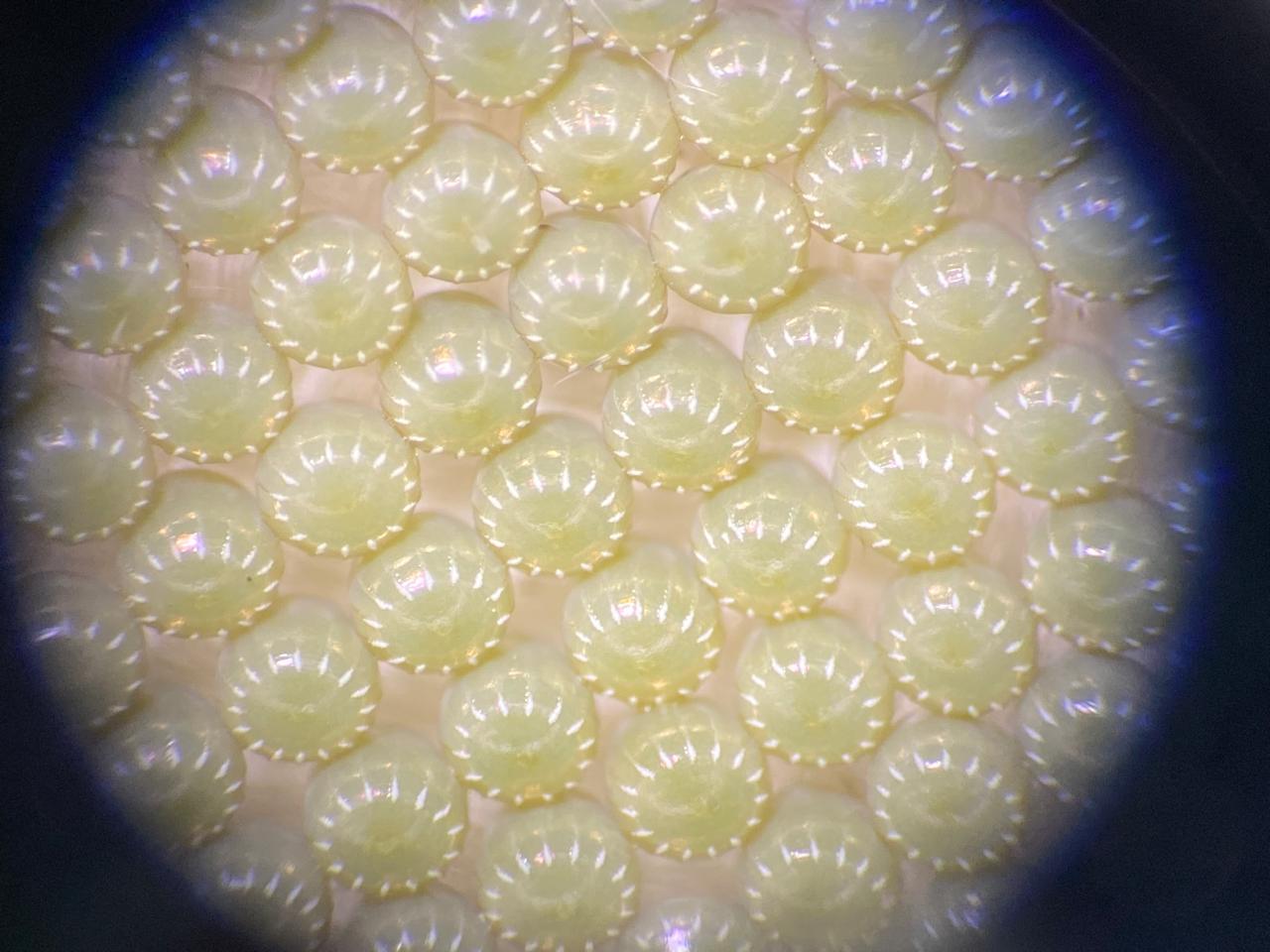
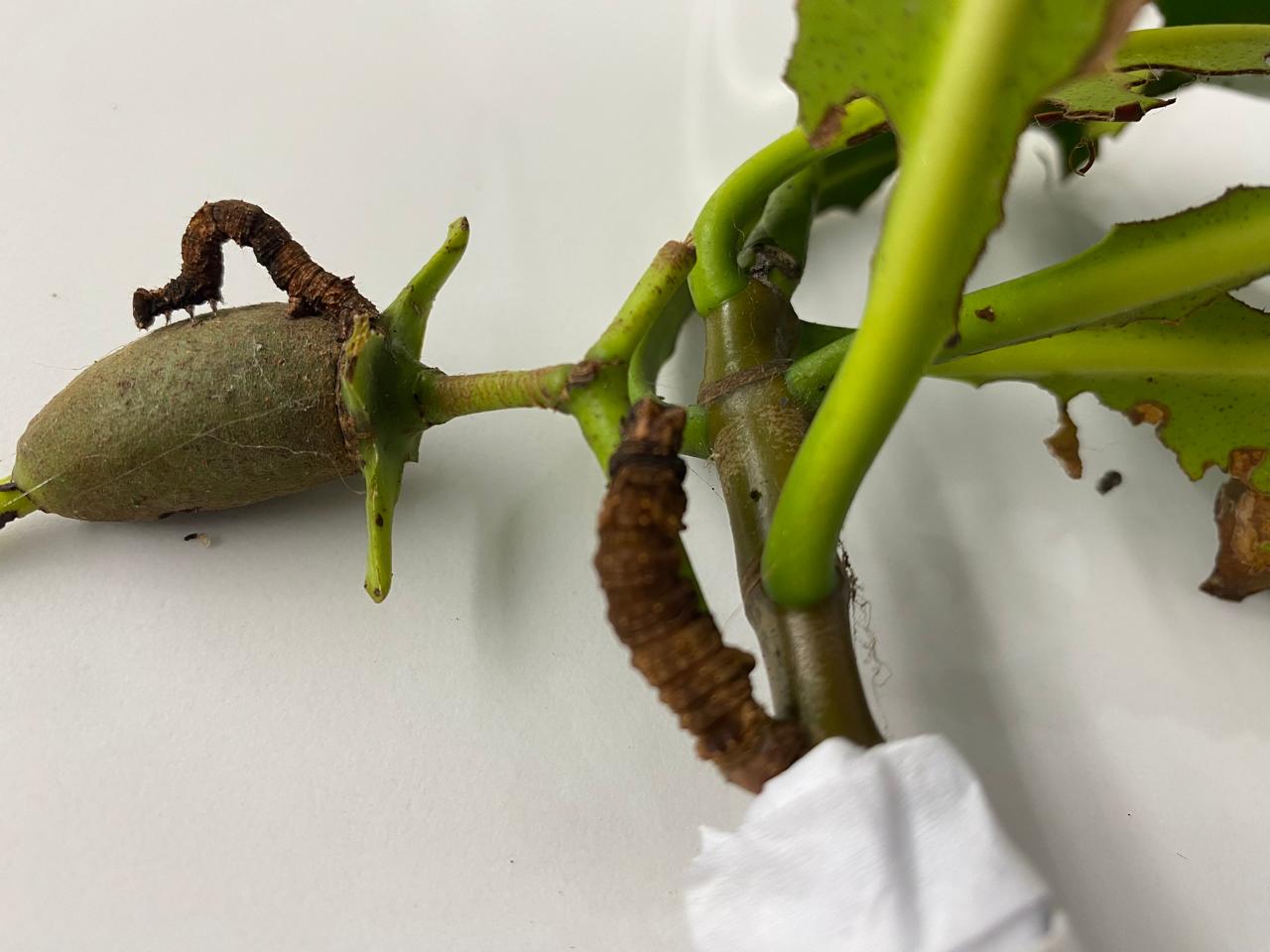
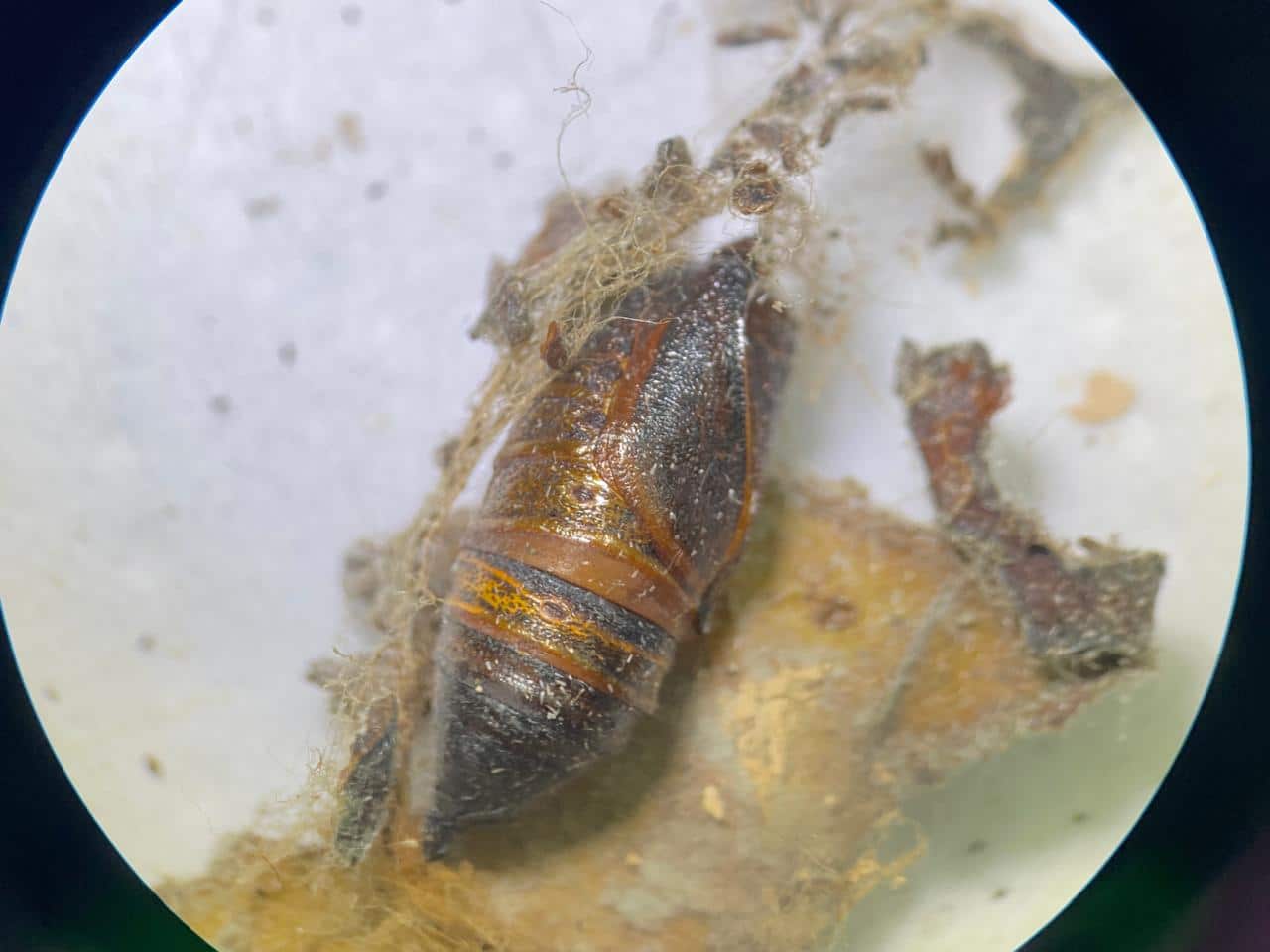
Natalia Molina, UEES research professor and mangrove specialist, explains that heavy rains reduce the salinity of the water, which causes the mangrove leaves to become softer and succulent, creating ideal conditions for the development of the larvae of this insect. Entomologist Myriam Arias, an associate researcher at UEES who has been investigating this species since 1999 and has followed its behavior, elaborates on this phenomenon: «The water loses salinity and this makes the leaves softer and more succulent, which facilitates the development of the larvae. This species, known as the mangrove moth, goes through several stages: egg, larva, chrysalis and adult. However, the ones that really cause the damage are the larvae, because they are defoliators.»
The life cycle of the Thyrinteina arnobia comprises approximately 38 days from egg to adult, with larvae being the most problematic stage for the mangrove ecosystem. During its 22 days as a larva, this insect behaves as a defoliator, feeding intensively on mangrove leaves, while adults live only 8 to 10 days. This phenomenon, although natural and sporadic, intensifies especially after prolonged rainy seasons such as those that occurred in 1990, 1999, 2016-2017 and currently 2024-2025. The problem is mainly concentrated in mangroves located in areas of lower salinity, where freshwater allows the leaves to maintain a softer texture, facilitating feeding and reproduction of the larvae.
Although this situation may generate concern in the communities, specialists indicate that this is a natural process that tends to self-regulate. Currently, the presence of a virus has been identified that specifically affects these butterflies, contributing to the natural control of their population. As a community management measure, the use of light traps is recommended to mechanically reduce adult populations, avoiding the use of fumigations that can be ineffective and potentially harmful to the environment and people. This phenomenon represents the dynamics of coastal ecosystems, highlighting the importance of scientific monitoring and community participation in the conservation of Ecuador's mangroves.