


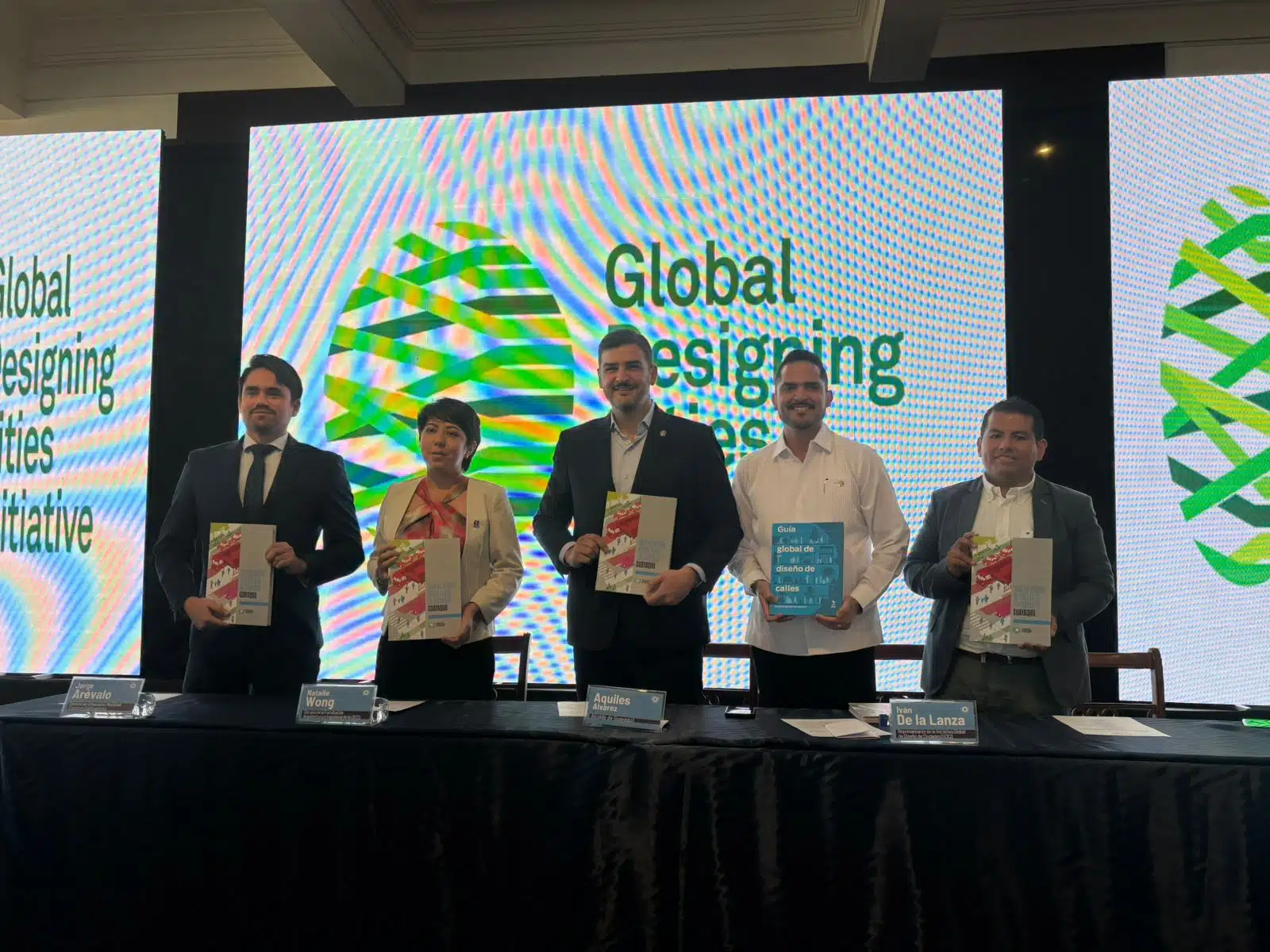
Students from the Faculty of Architecture of the Universidad Espiritu Santo (UEES) were part of the 60 university students who participated in the preparation of the document that establishes clear standards for the development of road projects in the city. The guide, presented by the Mayor's Office of Guayaquil, is the result of a collaboration between the Municipality, academia and international cooperation with the participation of Global Designing Cities Initiative (GDCI), backed by Bloomberg Philanthropies.
In Guayaquil, the 78 % of the population travels by foot, bicycle or public transport. Prioritizing these groups translates into more efficient and sustainable urban planning, with streets designed to reduce congestion and accidents and improve quality of life.
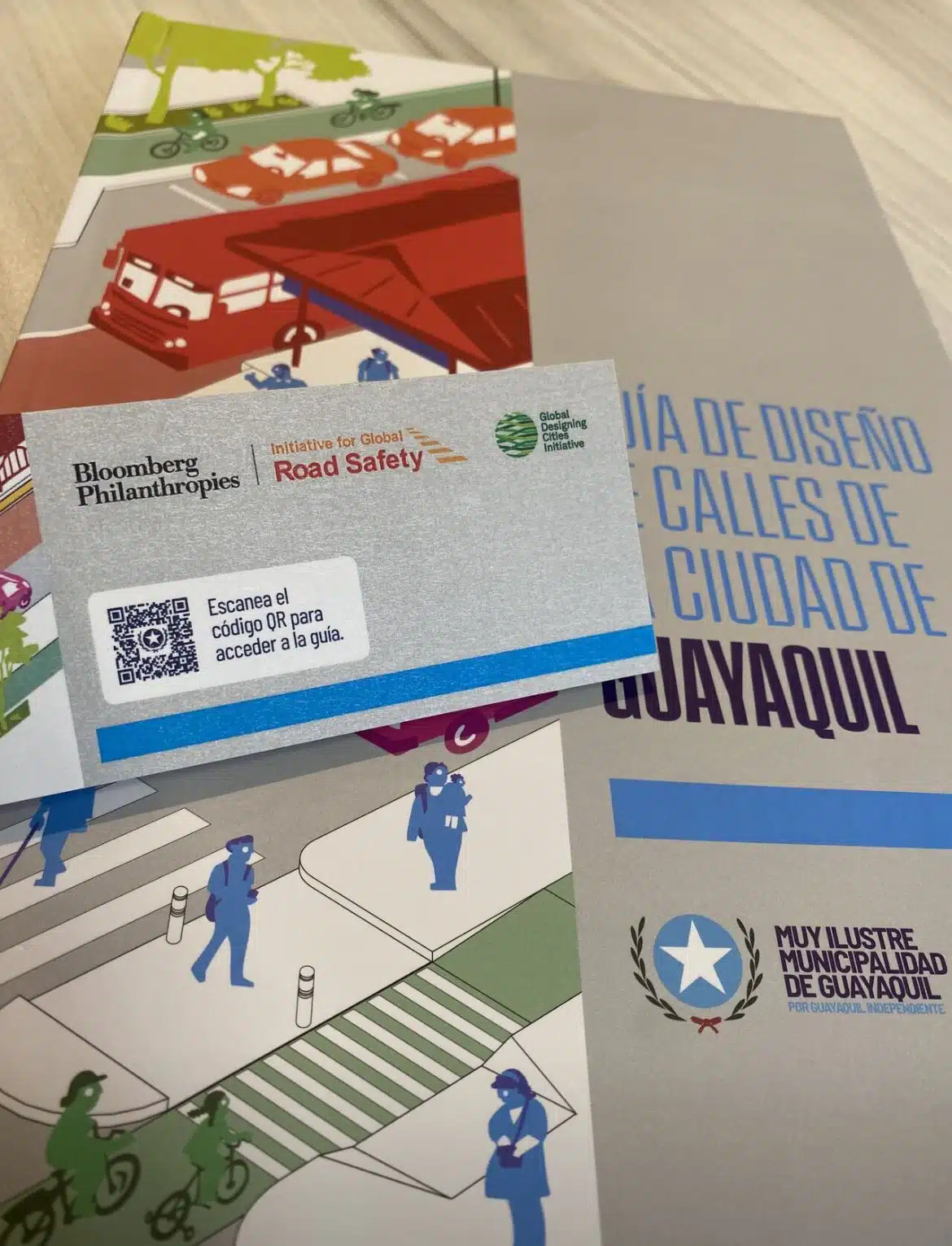
This tool, with more than 300 pages, incorporates accessibility criteria for the people with disabilities, seniors, children, children with disabilities, seniors, children with disabilities, children with disabilities, seniors, children. Its application has already started in the intervention project at the Av. 9 de Octubre, between Machala and Pedro Moncayo Av., as part of the integral urban renewal of the city.
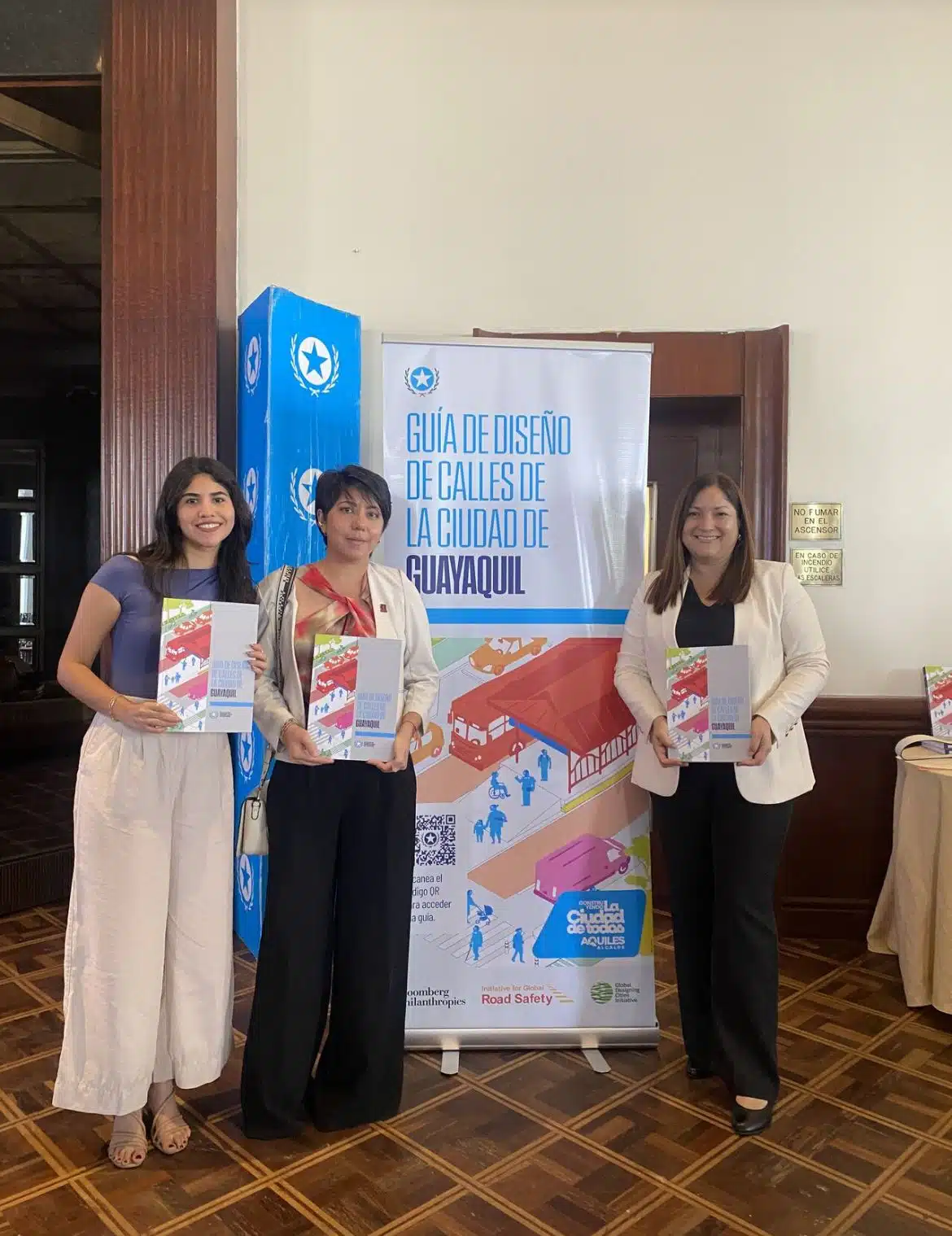
In this way, the Guayaquil Street Design Guide is positioned as a benchmark in people-centered urban planning, along with other Latin American cities such as Bogota and Recife.