

The Ecolodge/glamping has become an architectural alternative to the existing tourist diversification that seeks to provide sustainable lodging. Ecotourism in Ecuador is a catapult to international tourism, since it is considered as a “destination to discover” of high potential, due to the innumerable areas of attractiveness and cultural diversity, ethnic, customs that reflect the identity of the Ecuadorian people in its four regions.
Historically, glamping was coined in the late 19th century in Africa by British explorers, in retrospect this hotel option was embraced centuries earlier by royalty because of the need to travel on business to the regions under their dominion.
Tourism development based on the construction of ecological spaces that serve to enhance tourism and the socio-economy of a community requires a full identification of tourism aptitudes, in addition to a planning and territorial management model, as well as the determination of the financial feasibility for the development of such a project.
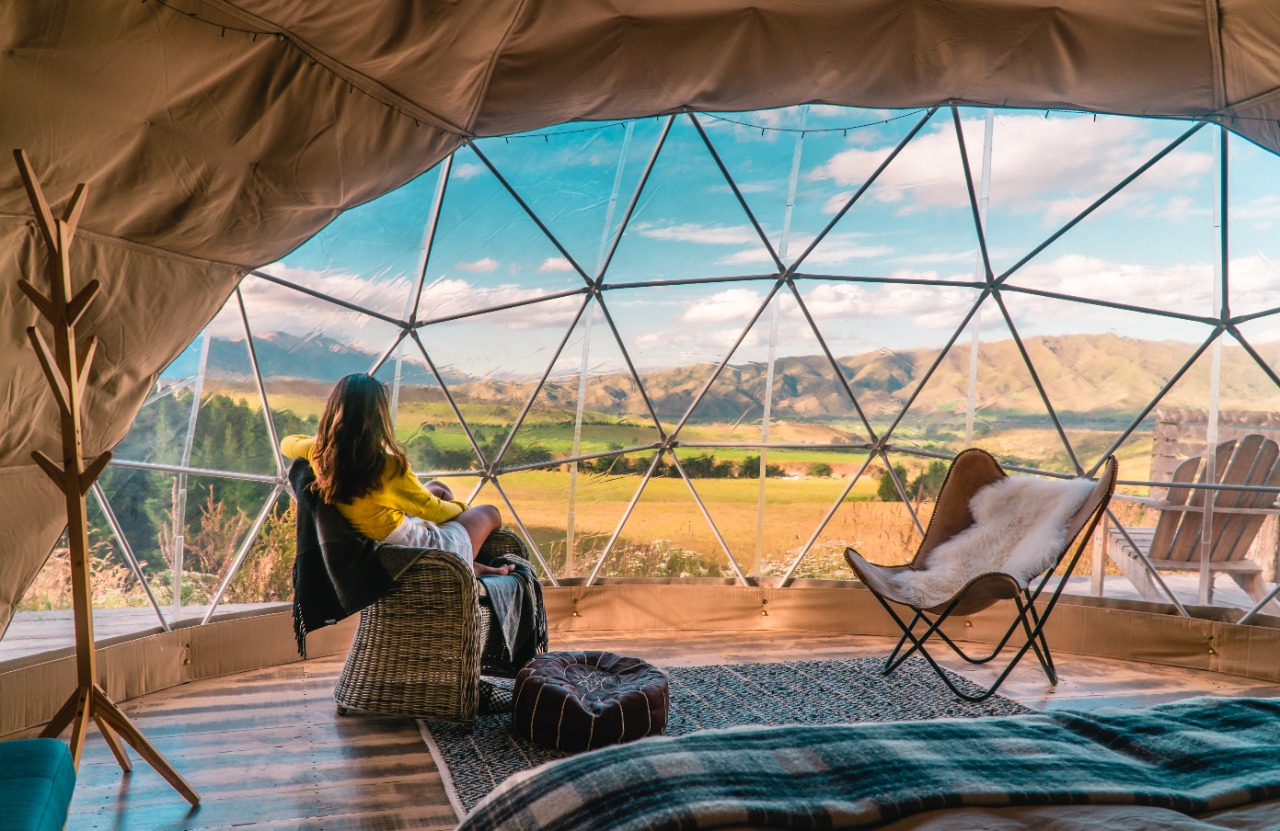
One of the problems when developing this type of projects is that many of them do not have a formal or technical management, which makes them ineffective due to the loss of resources available in the community where they seek to be inserted.
The need to structure tourism in the Ecuadorian highlands places as a priority the interest in providing quality accommodations and full of comfort, with the implementation of productive activities become key factors for the minimization of negative impacts and in return obtain future profits in the sector. As well as the increase in the recognition of community tourism, its culture, traditions full of ethnic diversity. This provides an opportunity to share these traditions with visitors in a more fulfilling way.
However, the Ecuadorian highlands, although they have a great diversity of culture, flora and fauna, do not have all the appropriate establishments, nor the required equipment to accommodate visitors, due to insufficient space and poor access to the most basic services for a pleasant lodging, as well as other elements of connectivity that are scarce. Something to keep in mind is that making tourism profitable requires not only attractive areas but also experiences and security.
The glamping/Ecoledge is linked to the care of the environment with an exclusive concept of luxury camping, with the charm and care of paradisiacal lodging, an escape from the city to the luxury of rural life!
Japanese architect Tadeo Ando bases his philosophy of “ecological architecture” on the sensations and spiritual expressions that can occur through architectural forms. His idea is associated with buildings connected to nature and their impact on the environment.
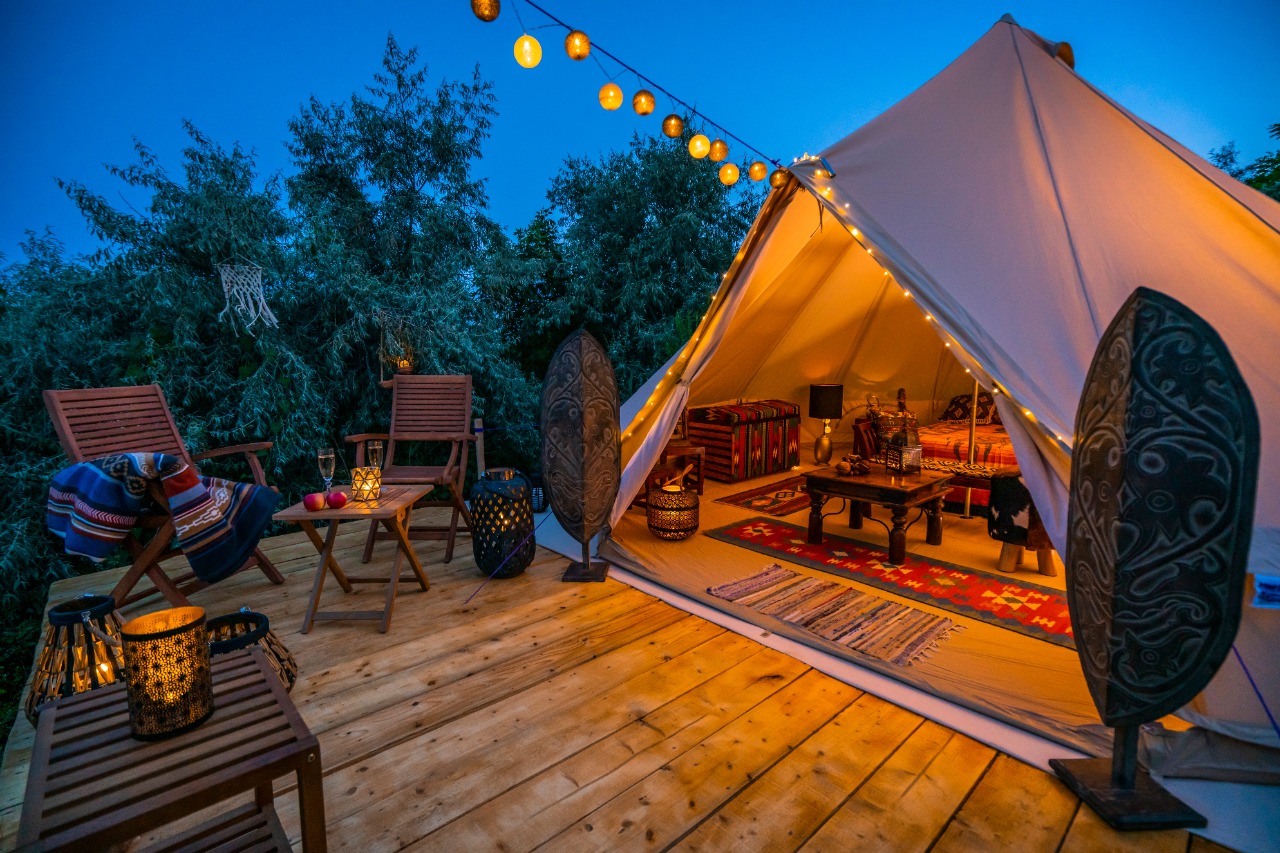
Landscaping is an essential element in the application of the construction of an Ecolodge as a sustainable lodging alternative in the Ecuadorian highlands, considering that it cannot only be contemplated arbitrarily, but must be projected and integrated so that there is a high level of interaction in the coexistence of the tourist, the community and nature.
This type of lodging solves one of the great enigmas in tourism, since it converges before the difficult task of conciliating luxury and comfort, and the capacity to tour diversified areas that feed the tourist curiosity and generate new experiences full of adventure.
Undoubtedly, Glamping offers the opportunity to make the tourist's plans, especially those accustomed to this lifestyle, without missing out on the special and cozy of a new natural world ready to enjoy a bit of comfort.
Hitler Alexander Pinos Medrano
Faculty of Architecture and Design