The Universidad Espiritu Santo (UEES) has achieved an important scientific breakthrough by discovering two types of spiders that are considered to be unique in the world. This outstanding research, the first of its kind in the Americas, was conducted by biologists Mauricio Macias and Natalia Molina.
These small arachnids, brown in color and no more than two centimeters in size, were found in the mangroves of the islands of Santay and Puná, during the study of natural areas conducted by the UEES Research Center. The new types of spiders have been denominated as Chapoda santay y Chapoda guancavilca.
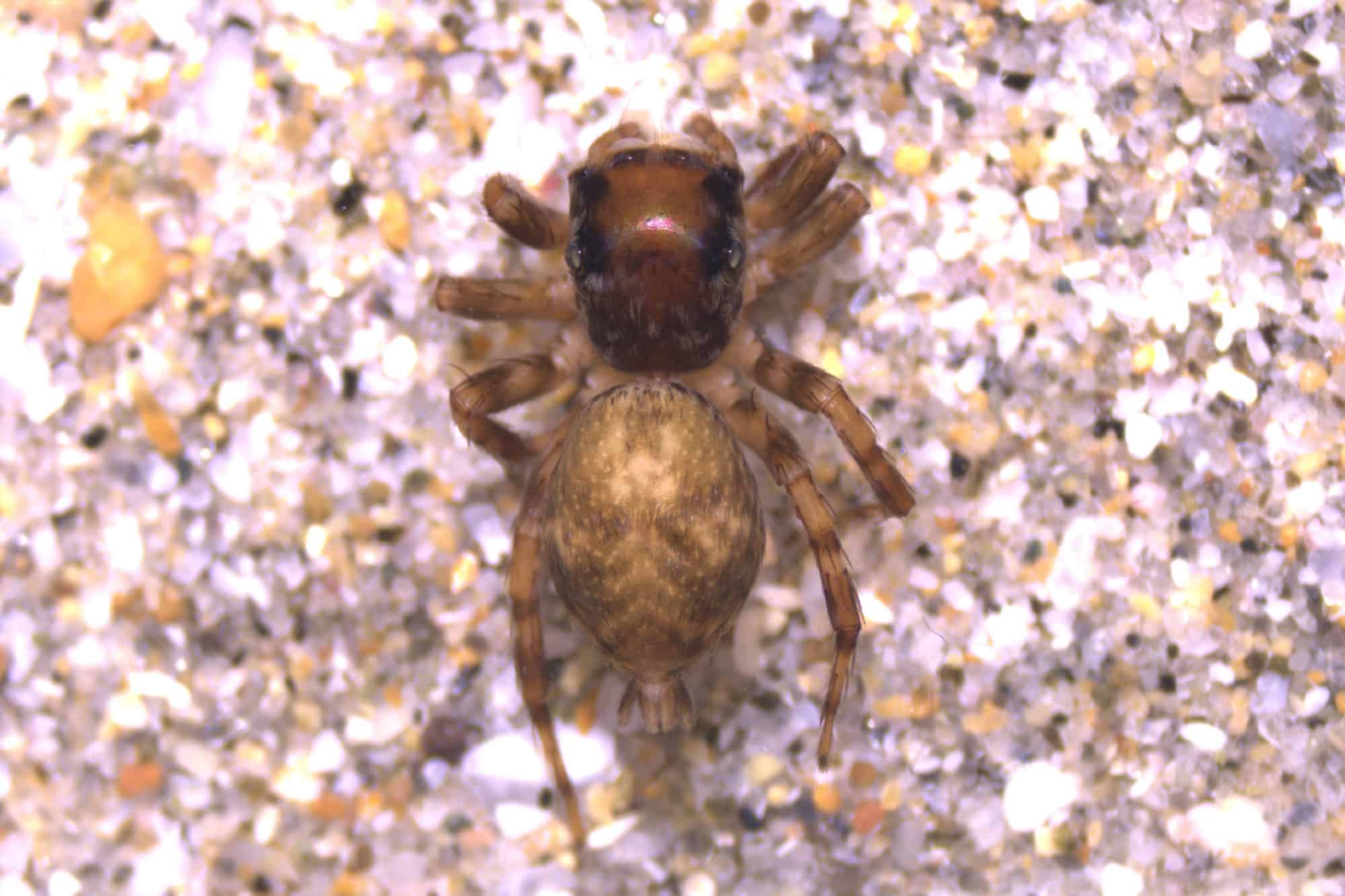
Chapoda santay
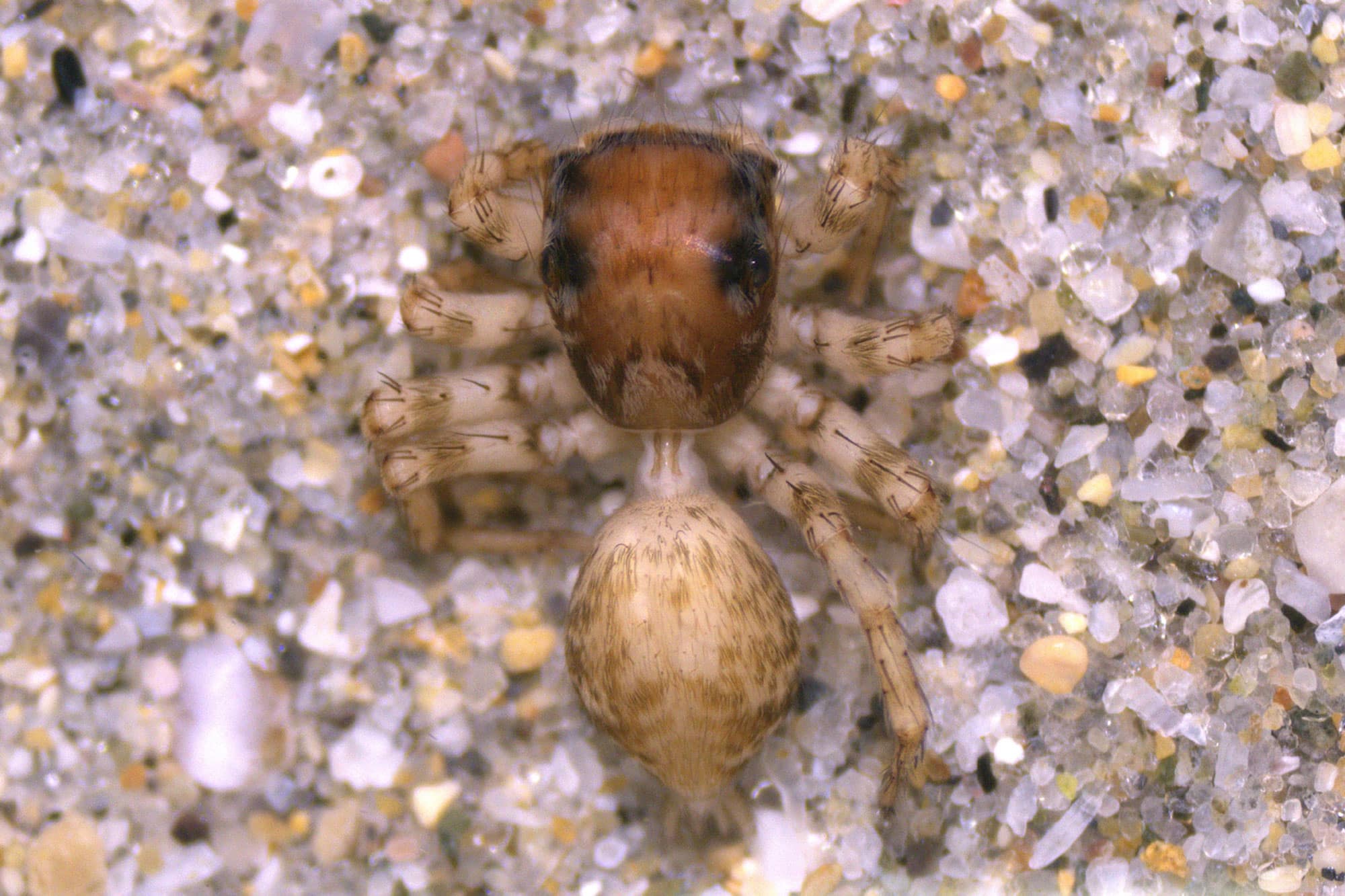
Chapoda guancavilca
The purpose of the research was to determine which is the mangrove biodiversity, The type of spiders present in this ecosystem was not known. Therefore, between 2019 and 2021, the first study was conducted in the mangroves of Esmeraldas, Manabi, Guayas and El Oro, where seven species of spiders were identified and reported for the first time in Ecuador. On this occasion, the discovery was made of two types of spiders, of the genus Chapoda, which are jumping spiders that had never been described before and are totally new to science. Ecuadorian researchers Natalia Molina and Mauricio Macías, an expert in arachnology, went into the mangroves to take samples. Mauricio Macías commented:
“We collected more than 10,000 specimens, then analyzed the morphology through microscopes in the UEES lab. For many researchers, finding a new species is a dream, and in this team we managed to discover two.”.
Since the study of spiders is a new process in Ecuador, the specialist and co-author of the research, William Galvis, arrived in Guayaquil from Colombia to help confirm the finding.
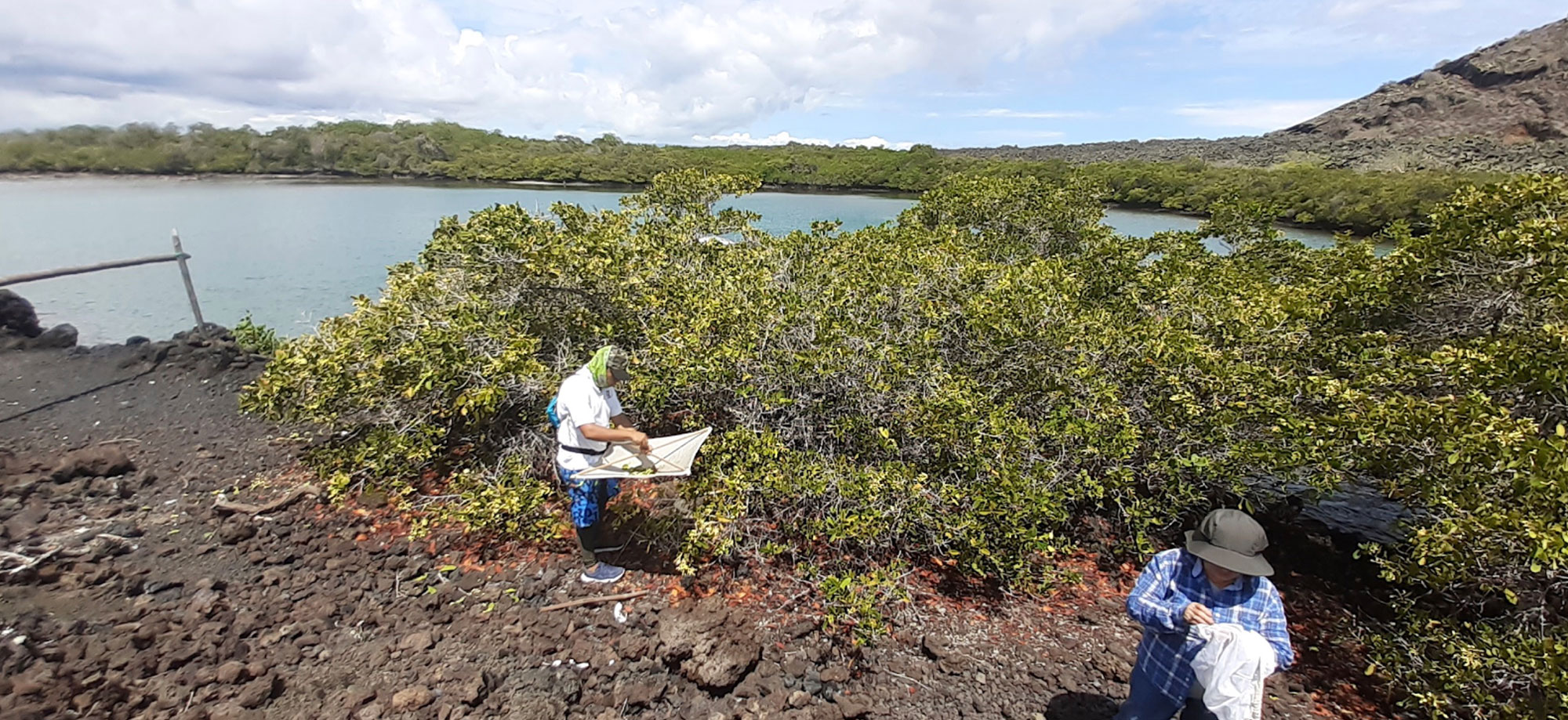
This research program will cover the comprehensive study of mangroves until the year 2050. The researchers hope to raise awareness of the need to protect the country's mangroves. Mangroves are an infinite source of life and spiders are the indicators of the ecosystem's good health. This finding has captivated the interest of the academic community, and the participation of students from the Environmental Sciences Engineering program is encouraged. So far, two students have completed their theses inspired by spiders.
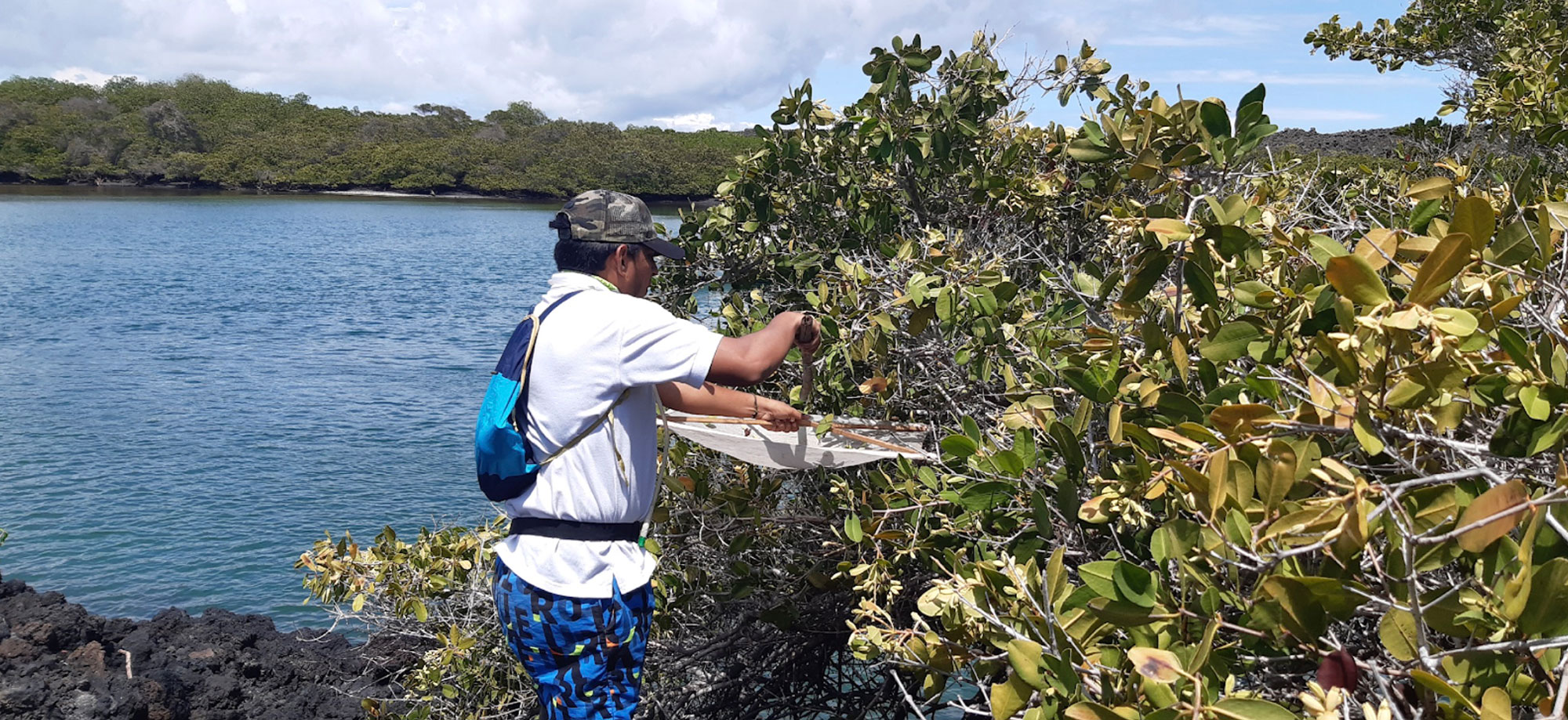
However, in Ecuador, mangroves are being violated and the research team was able to confirm that about one-third of the mangroves are being 30 % of mangrove vegetation cover has been destroyed in the country.. Natalia Molina emphasized the need to protect and recover mangroves, given that they are ecosystems that play a crucial role in coastal protection. Mangroves can capture and store carbon, serve as nurseries for aquatic species, function as a barrier against ocean swells, and provide protection against erosion.
Today in Ecuador and after making public the progress of the project and the type of insects that may be in the territory, the nucleus of Arachnology was formed within the Entomological Society of Ecuador. The samples of the species called Chapoda santay and Chaposa guancavilca, because they were collected in the territories of the Huancavilca people, are deposited in the Museum of the National Institute of Biodiversity in Quito. Likewise, the two species were registered in the World Spider Catalog.
UEES is proud of the achievements of its scientists in this research and reaffirms its commitment to protecting the environment and promoting environmental awareness.
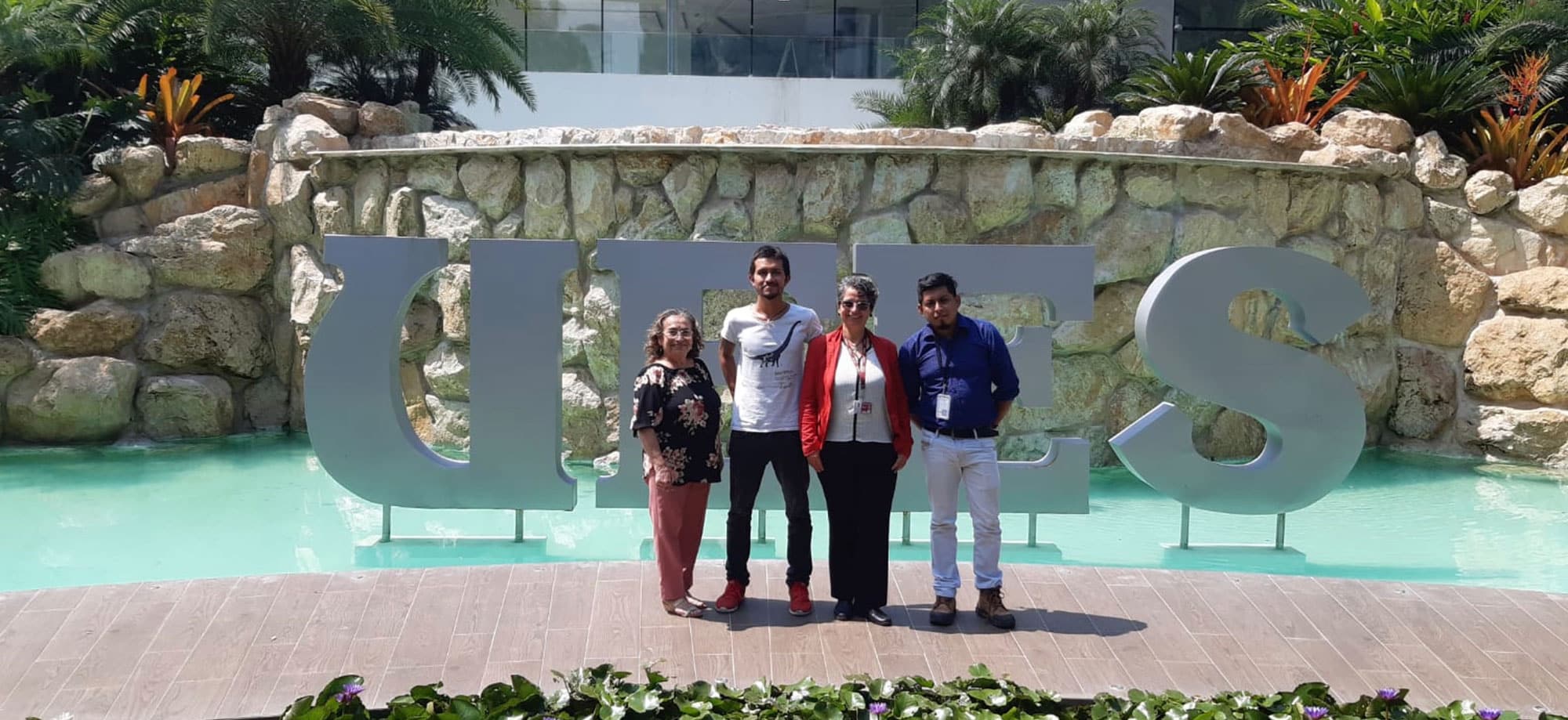

Universidad Espíritu Santo (UEES), began its academic activities in 1994 as a private, self-financed, non-profit institution. Its spirit of commitment and constant innovation are present in the quality of the service it offers to its community.