


This article is focused on sharing recommendations to improve creativity in the design proposal by applying the collaborative methodology of Design Thinking, which translates to Design Thinking, which is applied in different disciplines, in order to identify and solve problems creatively.
Chris Nodder mentions that the Design Thinking process, it is advisable to share it with the team from various disciplines, so everyone will be involved in the project. It starts with a search for problems, instantly with the ideation, generating prototypes on paper, and then perform an implementation planning team, and with the development of the prototype to test with the user and evaluate the process, all this becomes a feedback loop until you have a product that fits the customer's needs.
In the process of developing an architectural design proposal there is a methodology to follow, which varies depending on the project, but it is vital the process of research and information gathering, site analysis, conceptualization, the architectural program, the realization of the project making corrections, and the presentation using design tools for visualization.
The question would be How could the process be improved by applying Design Thinking strategies?, The following are recommendations that will help generate creative ideas in your architectural design proposal:
1. The search for problems
During this process it is important to know how the user uses the space, the loved and hated places, the problems and possible solutions. Tools such as surveys and/or interviews can be used depending on the project, and user observation. If possible, a workshop could be held with those involved and a list of goals to be achieved by the proposal could be identified.
2. Ideation
During this process it is important to brainstorm ideas using graphic cards, sketches, conceptual mock-ups, generating different options in design solutions together with the work team. At this initial point, it is essential to share with the user or client, as there will be more feedback when the project is in sketches versus finished product. As Chris Nodder mentions, early and measurable understanding of how well your design ideas satisfy customers is essential. At this stage it is important to be open to constructive criticism to further evolve the design.
3. The implementation of planning
In this phase, which is part of the architectural programming process, it is important to involve all those involved in the realization of the project, as it creates a sense of shared ownership of the solution, by means of sticky notes or using interactive tools where possible solutions and their phased processes can be mapped.
4. Design process logbook
It is essential to record chronologically, the process, from the problem finding phase, ideation, implementation of planning, and different solutions, where the ideas, comments, opinions of those involved are recorded. It doesn't have to be complicated, it can be photos of sketches, conceptual mock-ups, and sticky notes in a PowerPoint file. Because maybe the first ideas are the most important, and in the process of generating ideas we can forget them.
5. Validate the design with the user
Observing the users, knowing how they feel in the space, using technology such as virtual reality goggles, and then making changes based on their feedback is a quick way to improve. In the validation process it will depend on the type of project, if it is the design of a space then virtuality will be a good tool, if it is the approval of a furniture, a smaller scale model could be a good option.
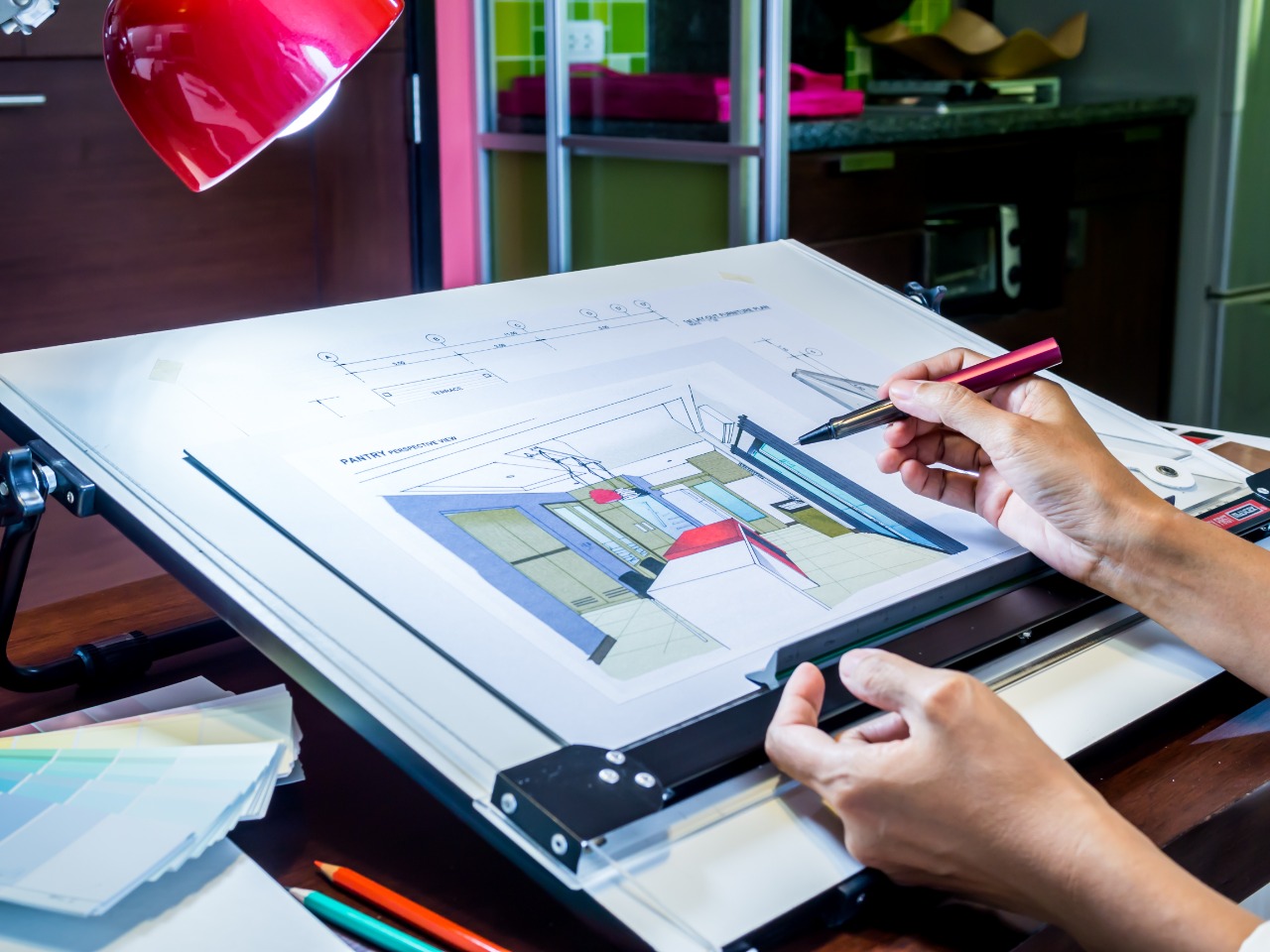
In the Design Thinking methodology it is essential that the user interacts with the product, in the process the experiences are analyzed with a practical approach that prioritizes the needs, receiving feedback from the user. In the validation process, architects have technological tools that are of great help so that the user can feel and see the space. Designing is a process that requires looking for problems, creating solutions, validating them with the user, observing how he/she uses it, and above all how he/she feels in the space. Of course there are other methodologies that can be incorporated and continue to feed the list. This article ¨5 steps to generate creative ideas in architectural design proposals¨ are recommendations, and their application varies depending on the project and what you want to achieve.
Daniela Hidalgo Molina
Academic Director of the Faculty of Architecture and Design.