


ODS 11 - ODS 15
UEES Sustainable Campus is developed within the Environmental Management System, a strategy that allows the implementation, monitoring and evaluation of the UEES Environmental Policy, based on the continuous improvement of processes.
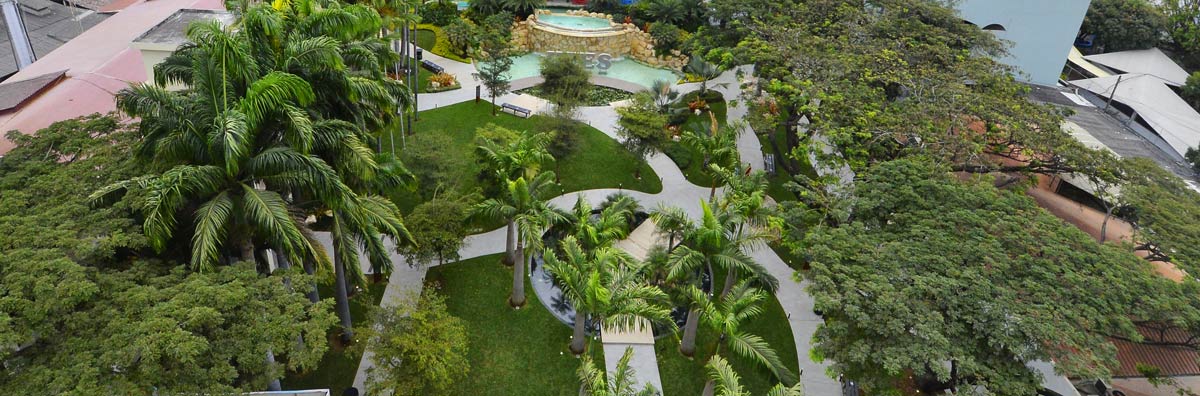
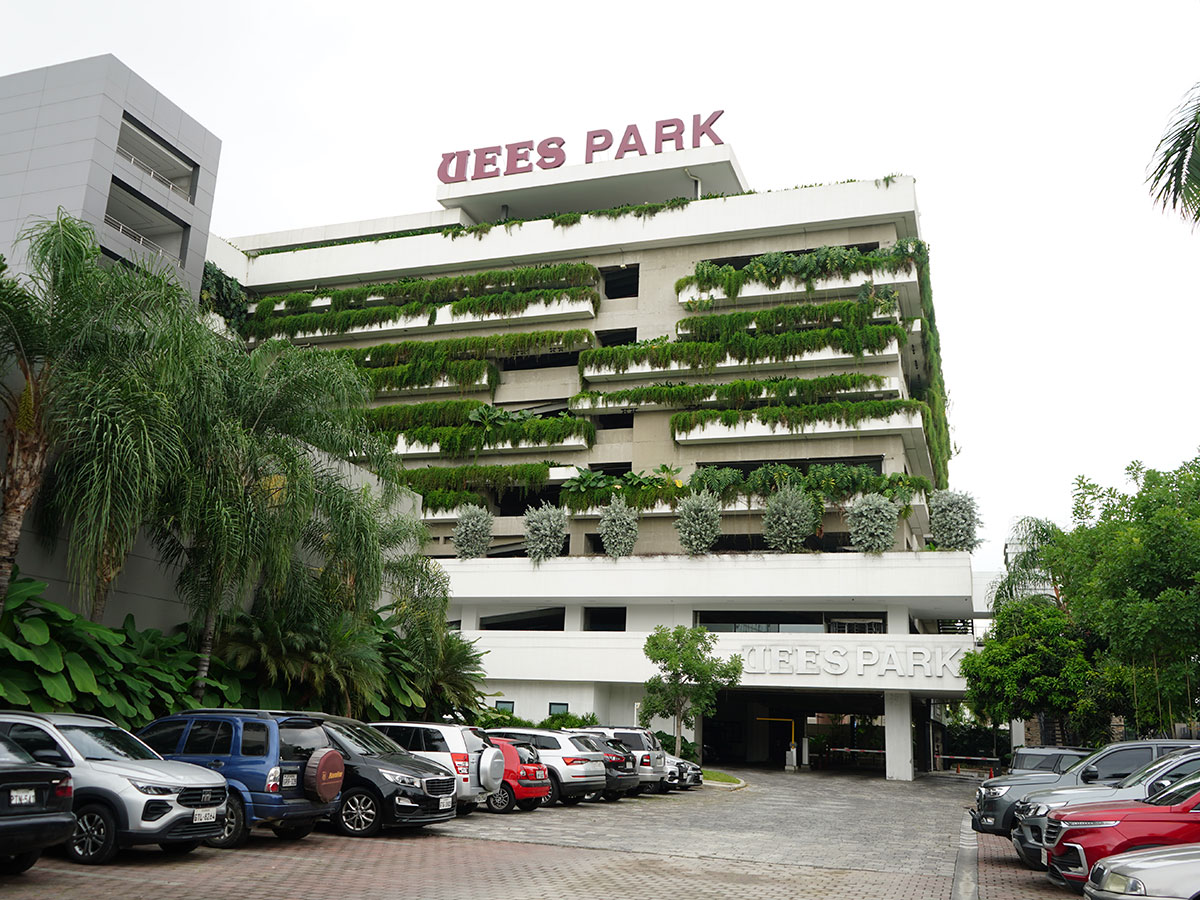
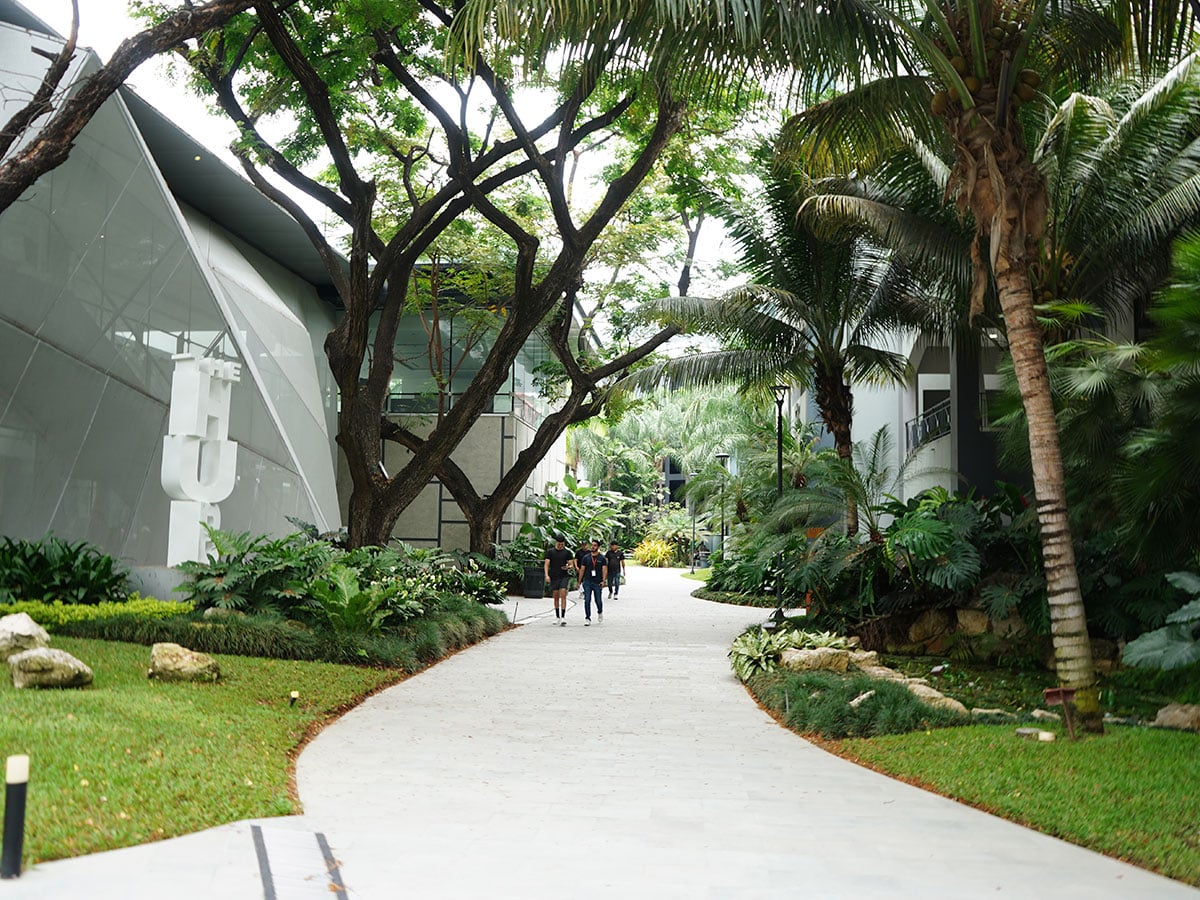
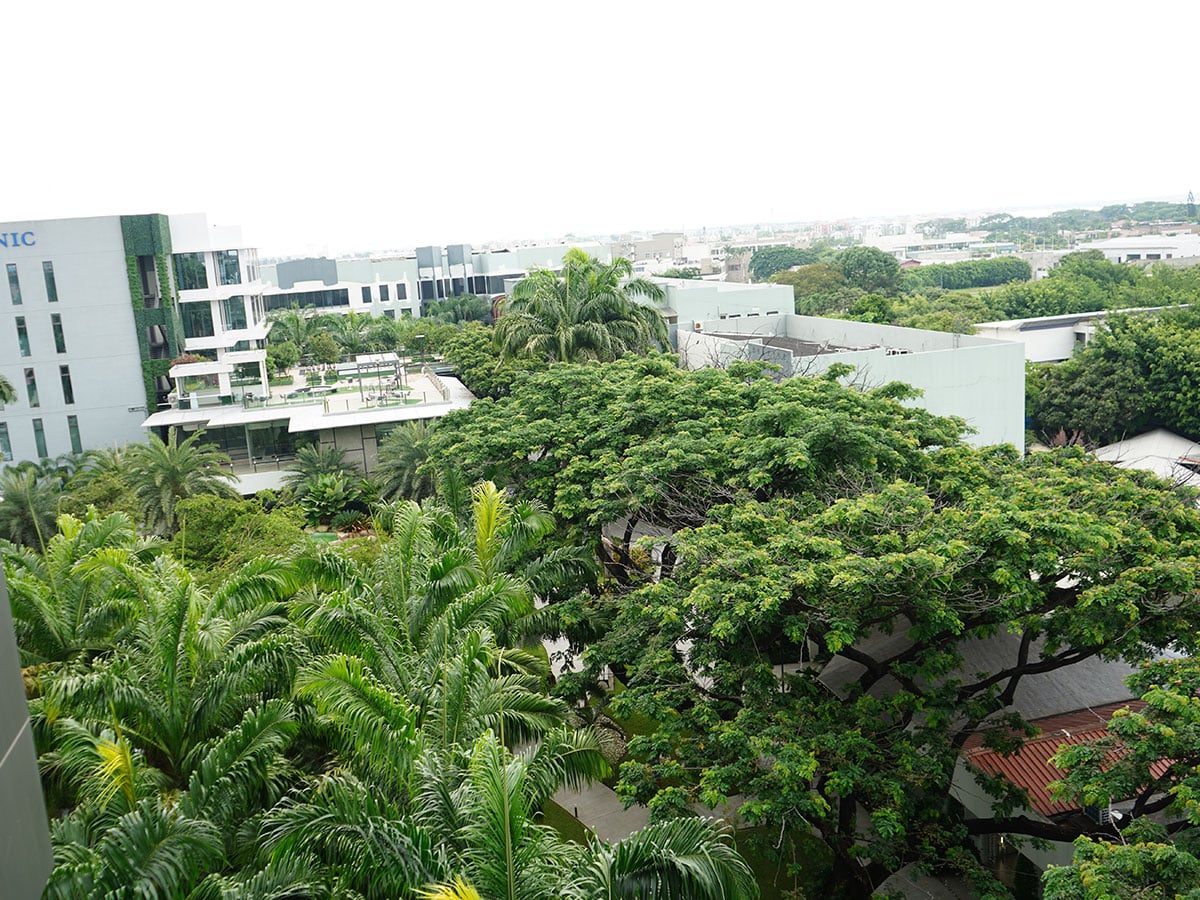
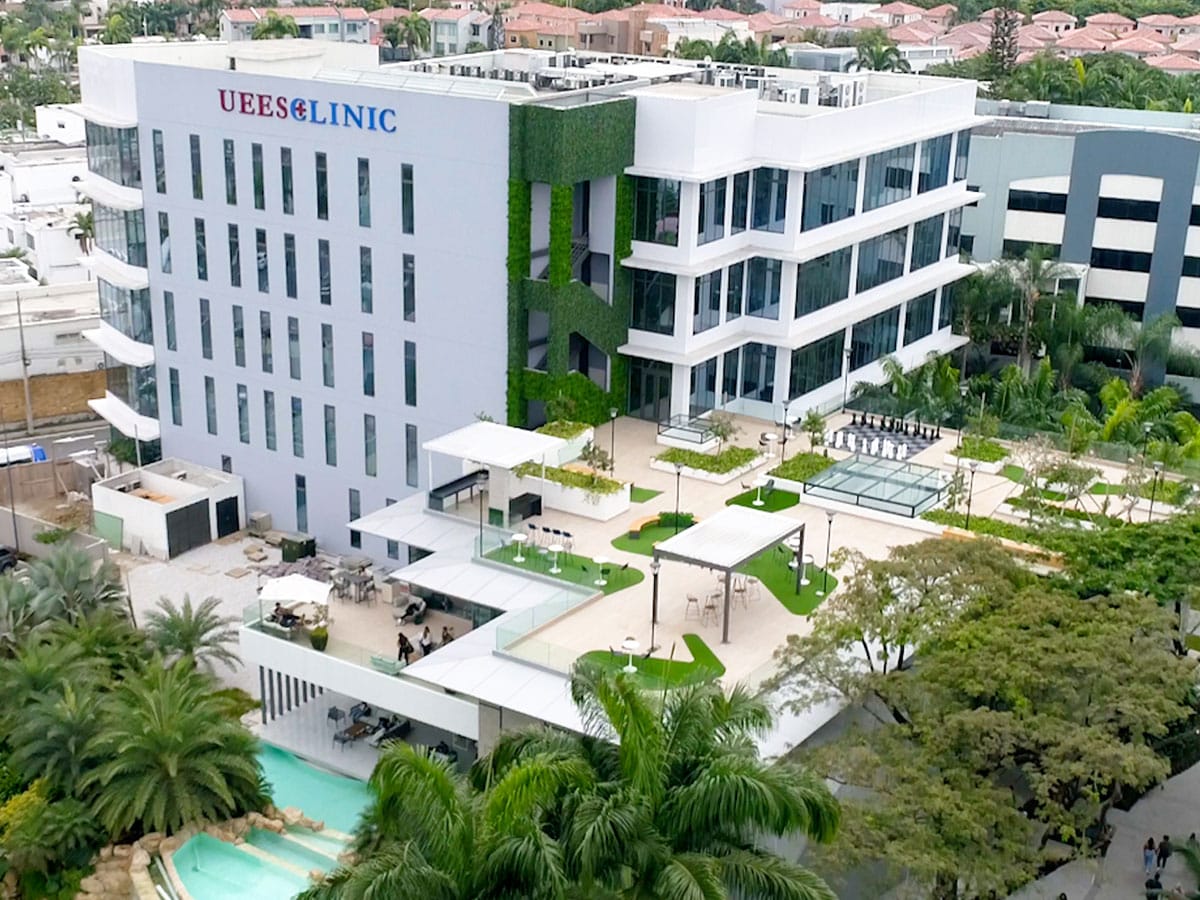
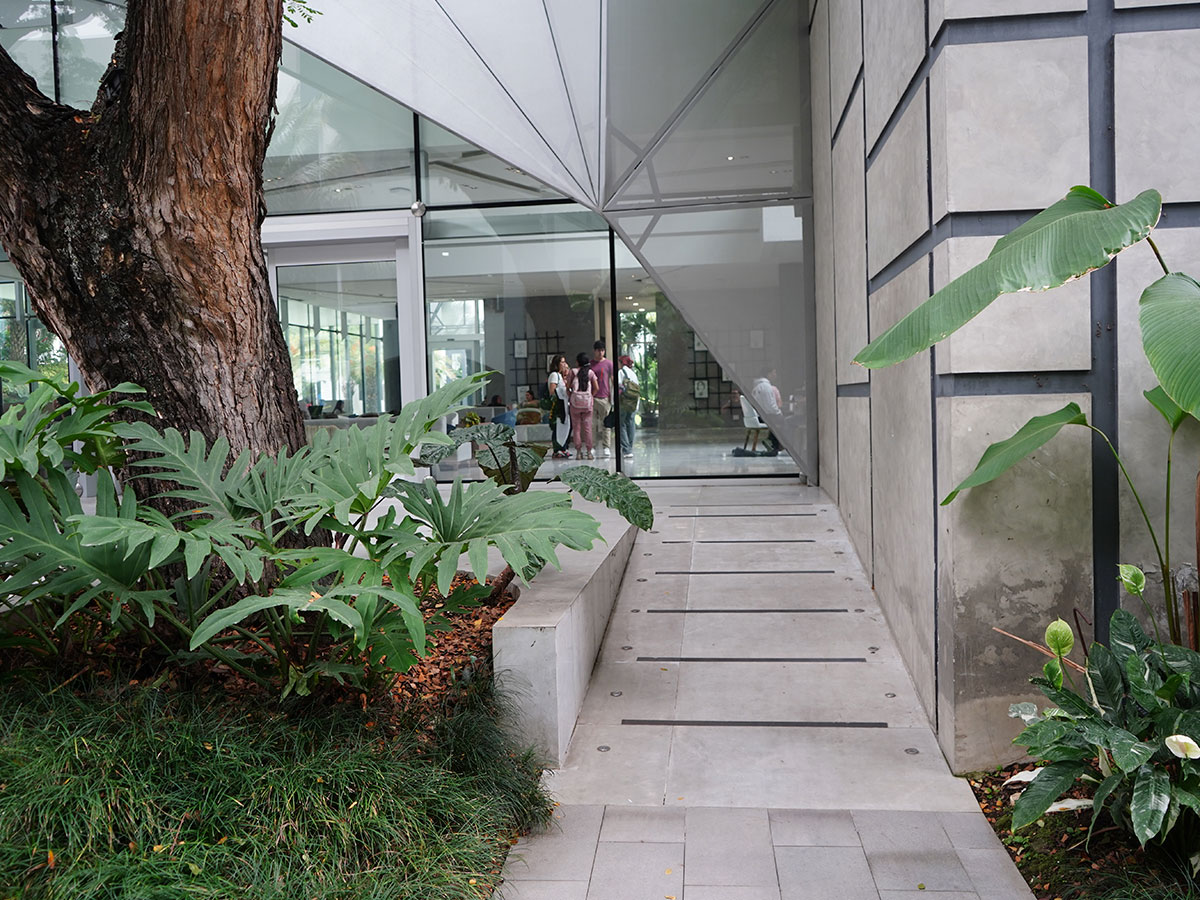
The campus adopts the «garden campus» concept, prioritizing vegetation and outdoor spaces. It has ample green areas, a large courtyard with gardens and water fountains. In addition, the UEES Park, a parking building, has been designed to maximize green areas and walkways, putting the user experience first.
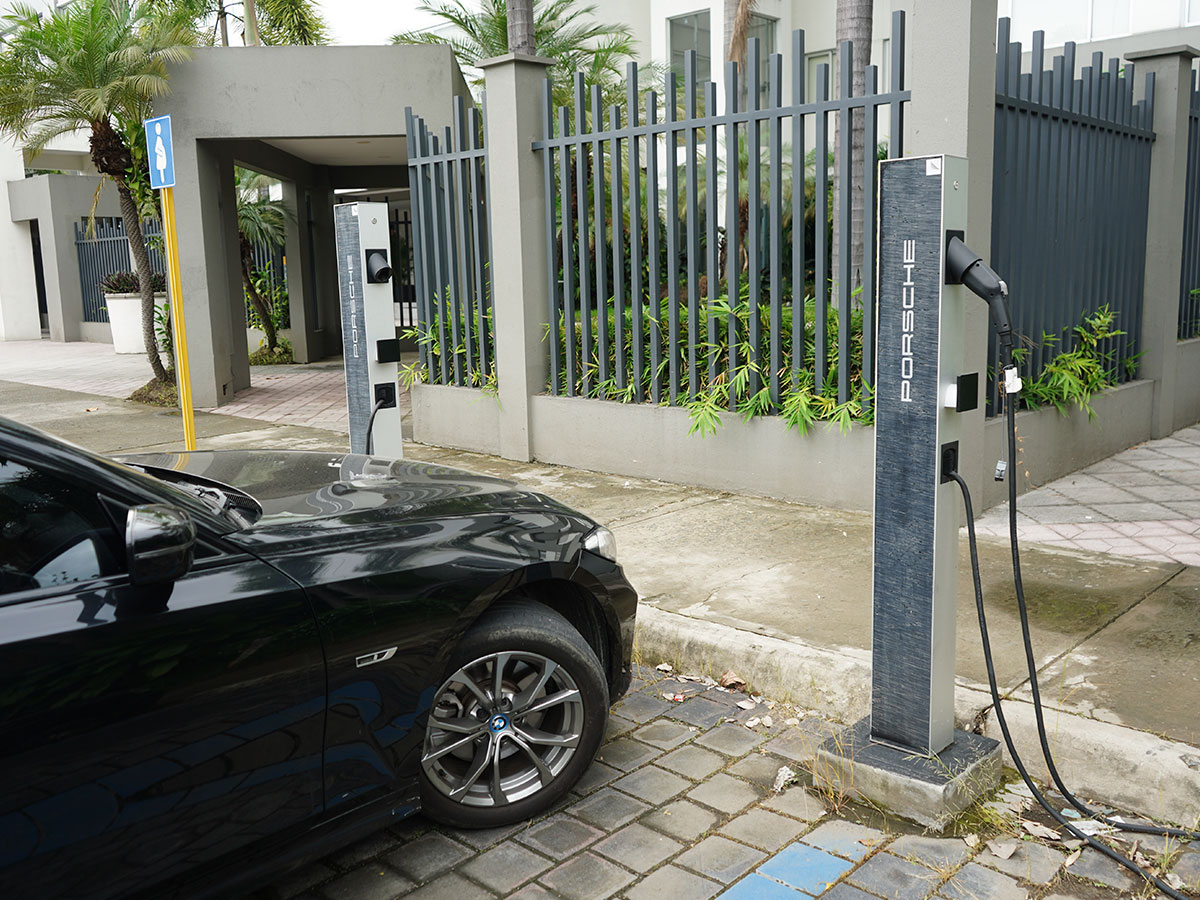
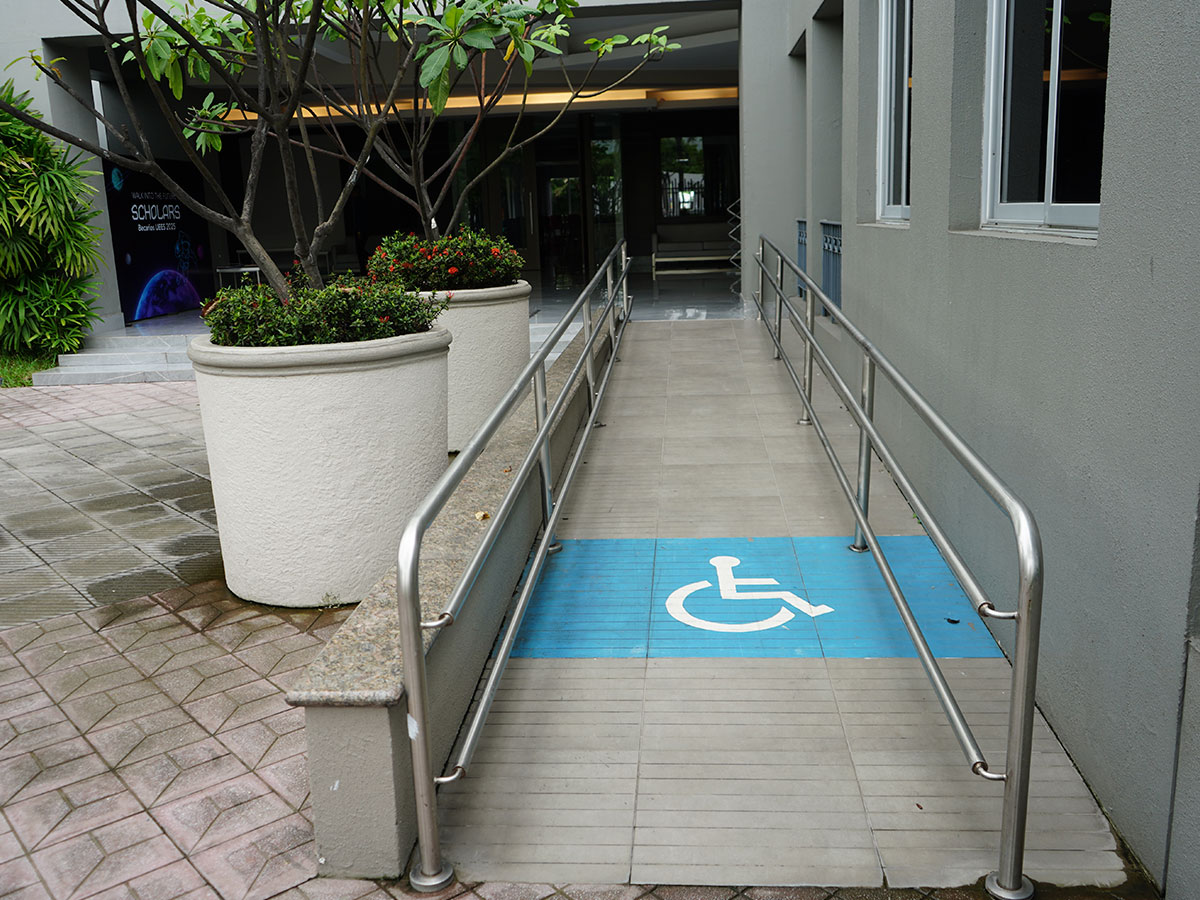
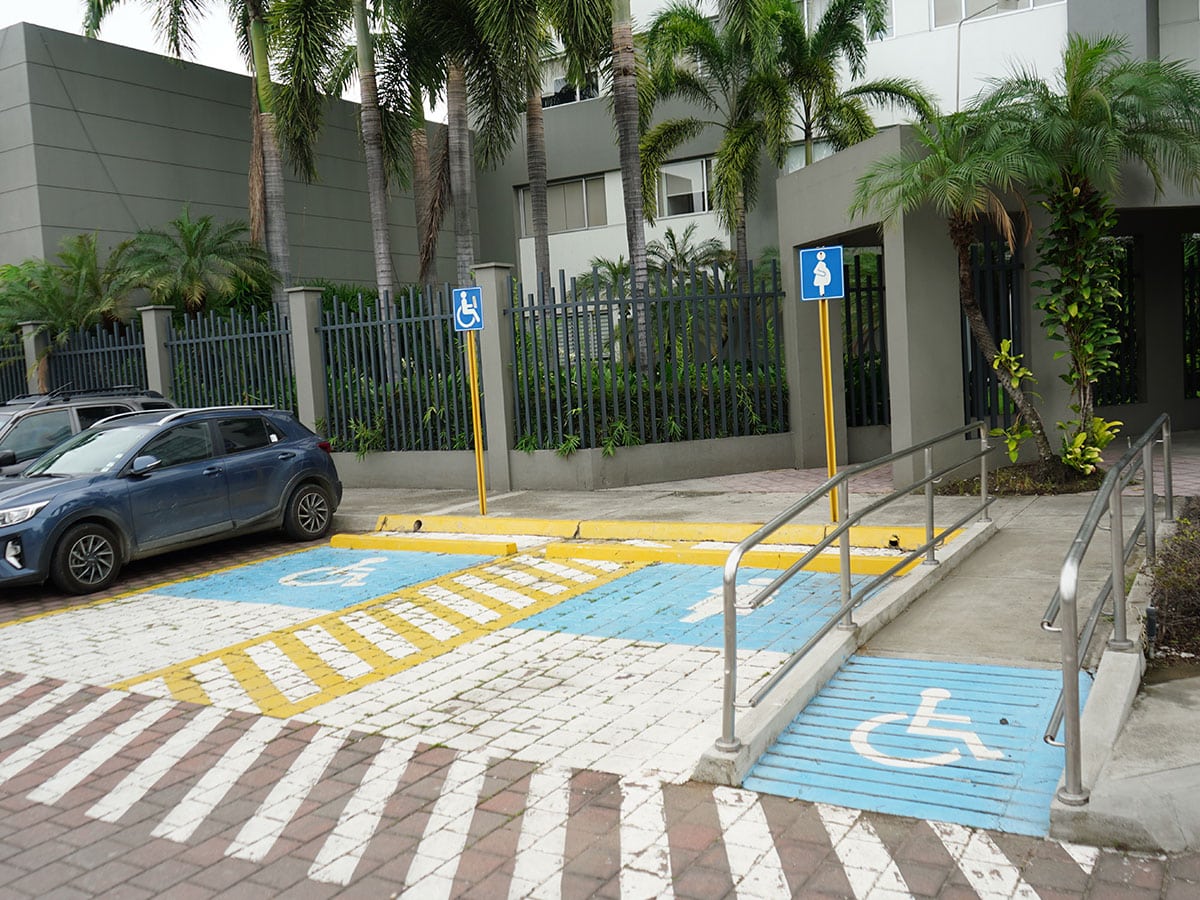
The campus also incorporates green roofs, electric vehicle charging stations, universal accessibility and natural lighting in its buildings, reinforcing its commitment to sustainability.
Pillars of Environmental Policy:
- Protection of the environment for a healthy environment through good housekeeping practices
- Long-term proposals for sustainable alternatives and continuous improvement.
- Compliance with national and international legal regulations regarding control and management of activities that constitute environmental aspects and impacts.
Environmental Objectives:
- Promote the maintenance of an environmentally healthy environment during the development of strategic, missionary and administrative activities, which allows improving the quality of life of the university community.
- Promote the awareness of the university community towards the dissemination of a culture of environmental care and responsibility.
- Evaluate and continuously improve the University's environmental management and performance.
- Establish articulation mechanisms and strategies for communication and effective participation of the university community towards the care of environmental conditions.
- Comply with the environmental legal requirements applicable to the University, according to its activities and processes.
Environmental Management Plan
PMA is the approach of activities that, as a result of an environmental performance assessment or diagnosis, are aimed at preventing, mitigating, correcting or compensating the environmental impacts and effects that will be caused by the development of activities. The objective is to reduce the consumption of resources, save money in the long term and instill the importance of environmental sustainability in people. It is a better way to motivate new generations to live a sustainable life.
LDCs help offices, laboratories, classrooms, cafeterias/canteens, car terminals and parking lots, and groups of people:
- Measuring how sustainably they are currently operating
- Identify specific ways in which they can operate more sustainably.
- Getting recognition for the good work they are already doing
The programs accomplish this by providing an evaluation framework and resources that people can use to operate more sustainably. In doing so, they support the objectives set out in the Environmental Management System that the University establishes.




continuously improve the University's environmental management and performance.
Establish articulation mechanisms and strategies for communication and effective participation of the university community towards the care of environmental conditions.
Comply with the environmental legal requirements applicable to the University, according to its activities and processes.
Environmental Management Plan
PMA is the approach of activities that, as a result of an environmental performance assessment or diagnosis, are aimed at preventing, mitigating, correcting or compensating the environmental impacts and effects that will be caused by the development of activities. The objective is to reduce the consumption of resources, save money in the long term and instill the importance of environmental sustainability in people. It is a better way to motivate new generations to live a sustainable life.