
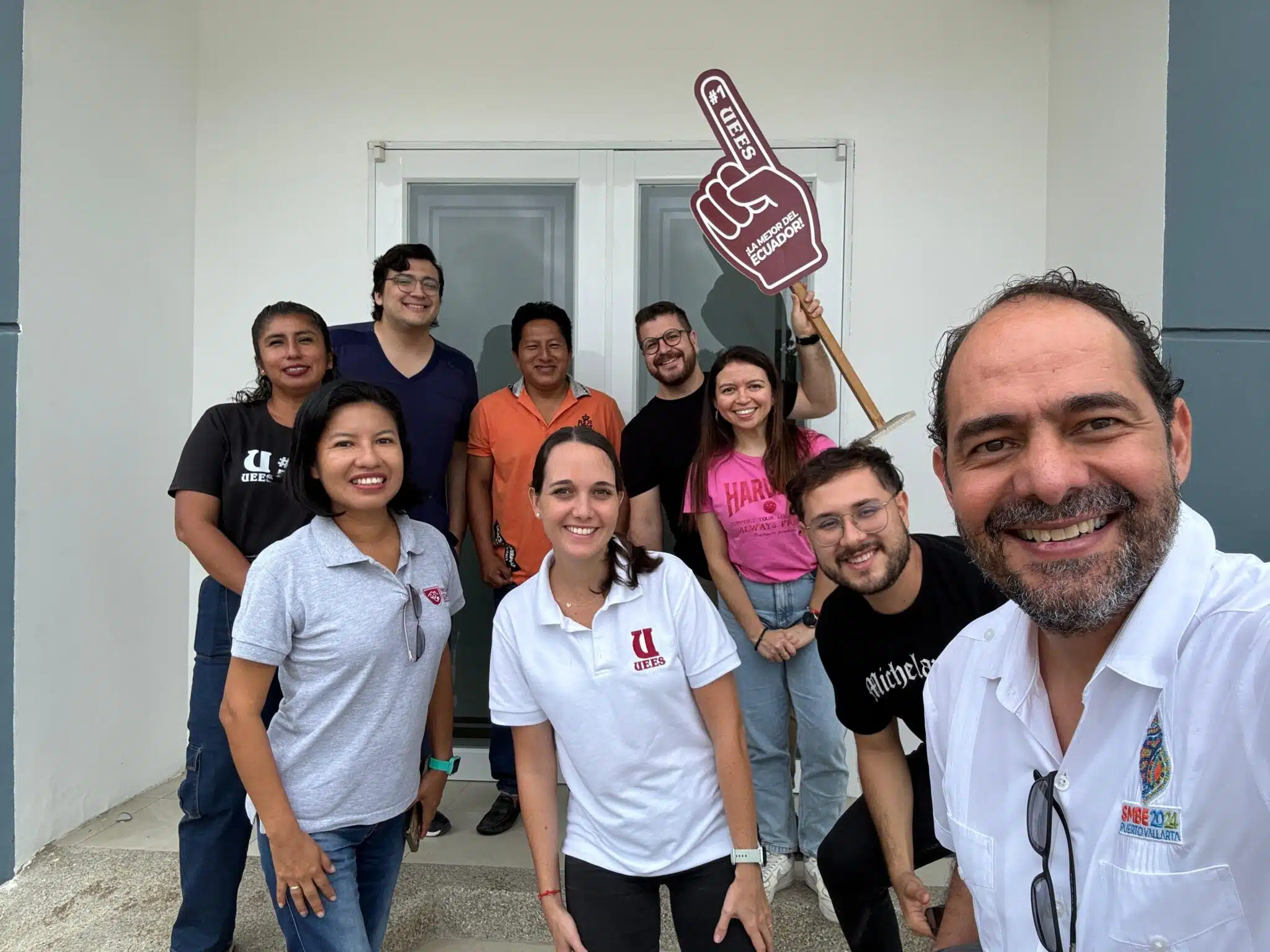

The Atahualpa project, driven by the UEES research center, has joined the LatinCells program, led by Mexican researcher Andrés Moreno, to map the cellular diversity of Latin America. This initiative, supported by the Chan Zuckerberg Initiative, is fundamental to advance the creation of the Human Cell Atlas, a global project that seeks to understand human cellular complexity. LatinCells is working closely with Latin American researchers to collect DNA samples from various countries in the region, including Ecuador, which will allow further study of the genomics of mestizo and indigenous populations.
The objective is to analyze the genetic predisposition of different populations to certain diseases. Not only those of hereditary origin, but also pathologies that develop in adult life, but which have an important genetic component. Diseases such as diabetes, hypertension or stroke are clear examples of this. It is essential to have this genetic information in order to provide adequate informed consent and alert people to the specific risks they face according to their genetic profile.
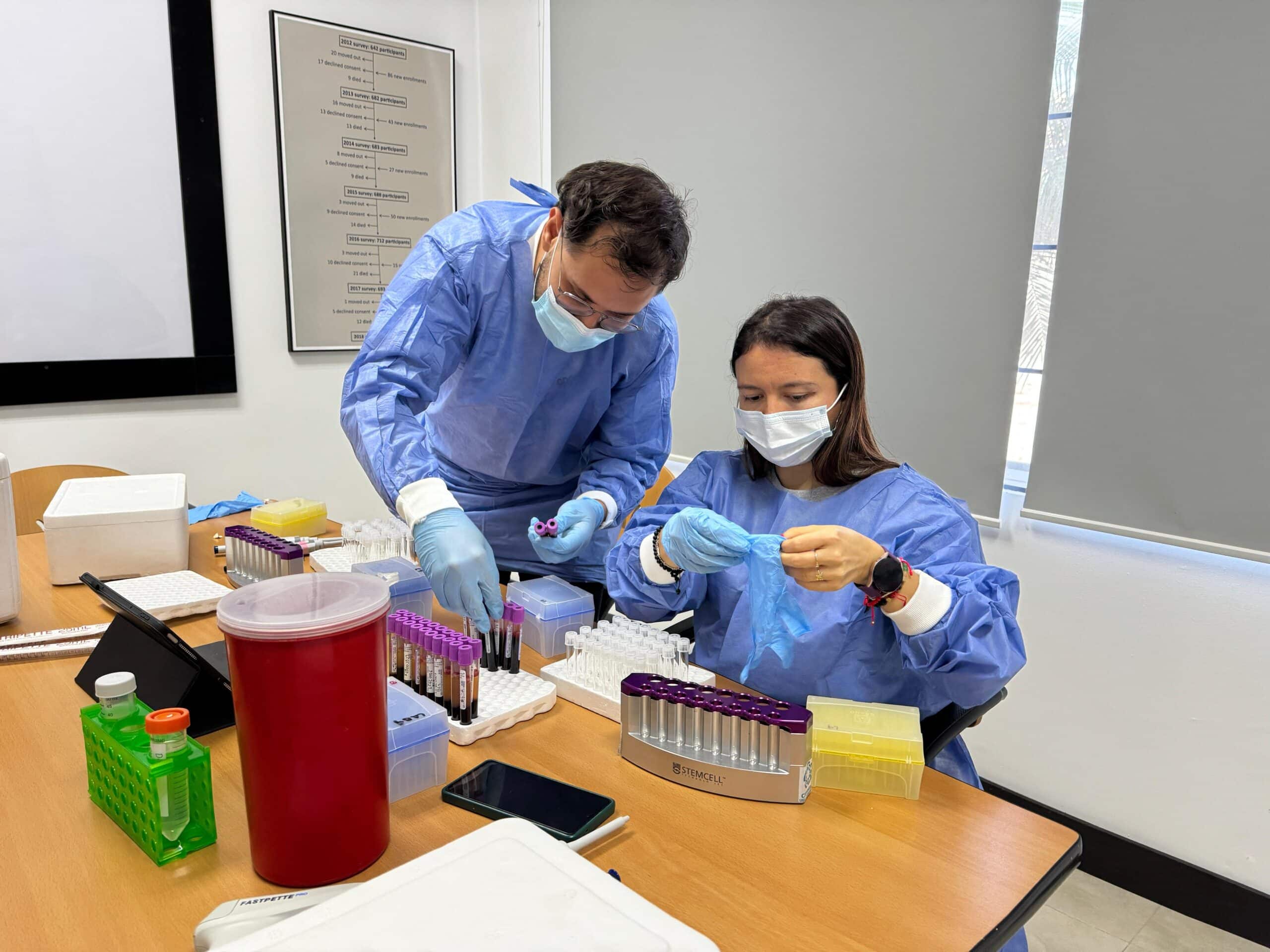
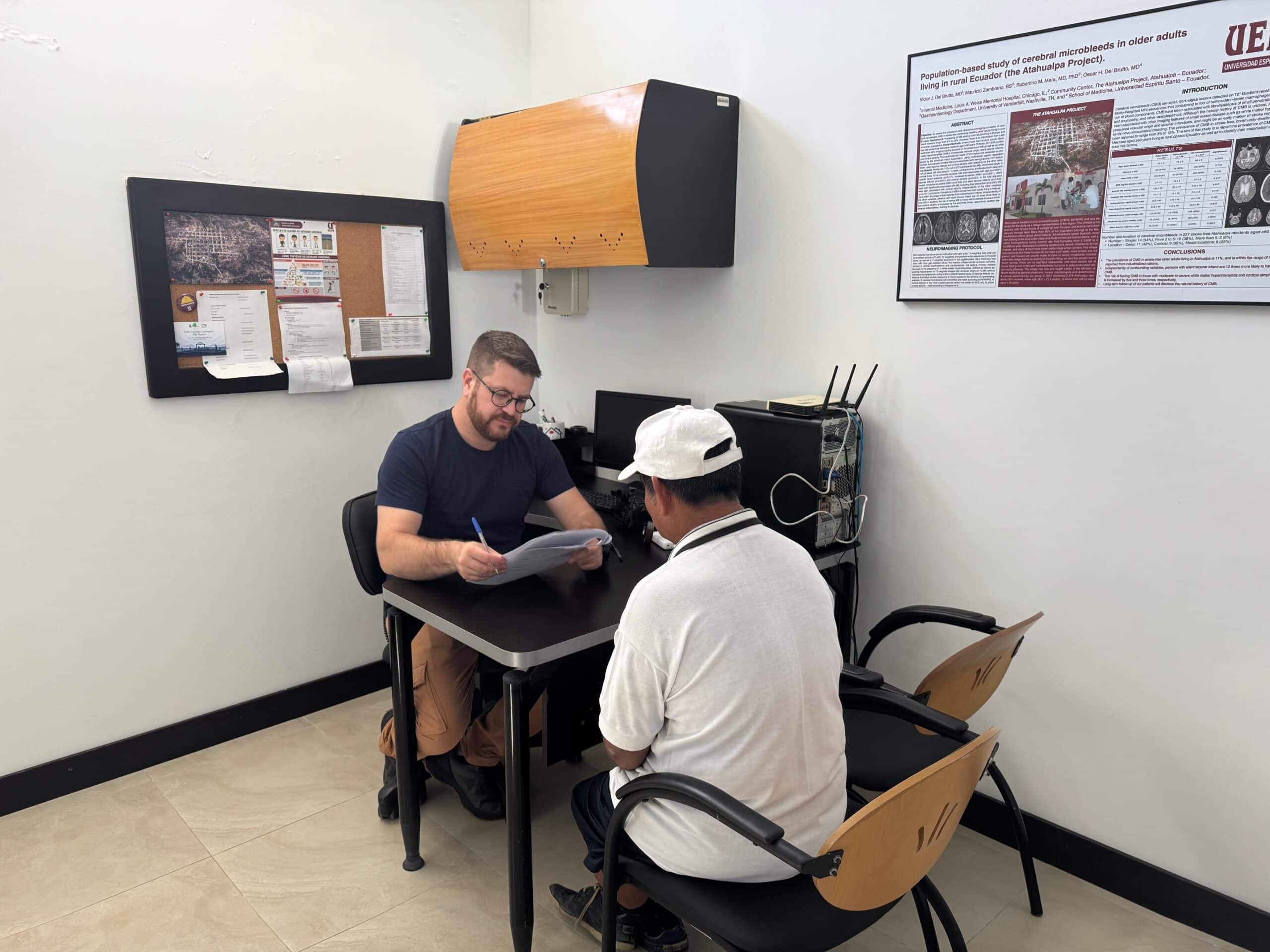
Through this alliance, the Atahualpa project organizes calls for confidential DNA collection, inviting the population to participate in medical check-ups and blood tests. The objective is to generate genomic data that will contribute to the knowledge of the specific genetic characteristics of Latin Americans, which is crucial for understanding diseases prevalent in these populations. In addition, the project seeks to improve education and scientific collaboration in the region, promoting advances in the field of single-cell genomics.
This joint effort will not only allow the creation of a detailed map of gene expression in blood cells and other tissues, but also has the potential to transform precision medicine in Latin America. By studying single-cell RNA profiles, it will be possible to develop personalized health strategies tailored to the genetic particularities of Latin American populations. LatinCells will also facilitate a community portal that will promote the sharing of educational and scientific resources, ensuring that the benefits of the research reach participating communities and contribute to the advancement of health in the region.

Universidad Espíritu Santo (UEES), began its academic activities in 1994 as a private, self-financed, non-profit institution. Its spirit of commitment and constant innovation are present in the quality of the service it offers to its community.