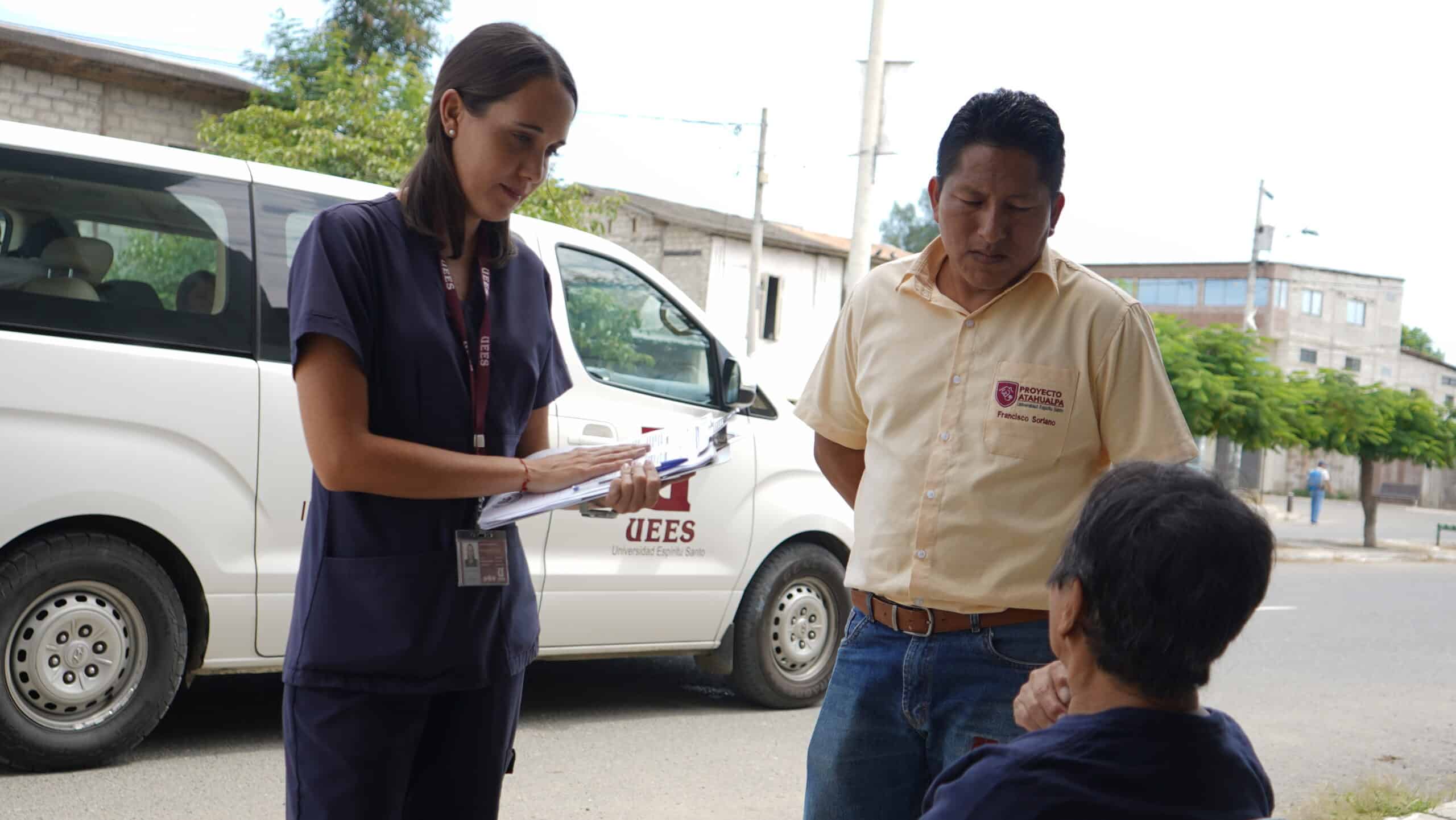
A recent study has revealed a surprising discovery about the people of Atahualpa, a small coastal village in Ecuador. After more than a decade of research, scientists have identified an unexpected genetic connection between its inhabitants and the ancient Inuit peoples of the Arctic. Although they do not share a recent common ancestor, both populations have undergone similar natural selection processes, influenced by their diet rich in healthy fats, mainly omega-3.
In Atahualpa, natural selection has favored specific genes related to fat metabolism and cardiovascular health, suggesting that their diet has played a key role in their genetic evolution over time. Researchers from the University of California at Berkeley, University College London and Espiritu Santo University have determined that the inhabitants of this region may have developed genetic adaptations that allow them to take better advantage of the benefits of fish in their traditional diet. This finding could redefine our understanding of the relationship between food and human evolution.
The study, published in the journal Genes, Genomes, Genetics, analyzed the DNA of 50 residents of Atahualpa and found evidence of natural selection in genes related to fatty acid metabolism. In particular, a strong signal of selection was identified in the gene SUFU, linked to the regulation of body fat, and in LRP1B, which influences cholesterol levels. These results suggest that, over thousands of years, the population may have developed genetic adaptations that optimize the benefits of fish consumption on cardiovascular health.
The inhabitants of Atahualpa have a 94.1% American ancestry, which means that their lineage comes directly from the first settlers who crossed the Bering Strait more than 15,000 years ago and migrated to the south of the continent.
A Finding with Global Implications
This discovery is especially relevant in the context of previous studies conducted in other populations, such as the Inuit of Greenland, who also show genetic adaptations related to omega-3 rich diets. However, this is the first study of its kind in South America, highlighting the importance of investigating local indigenous populations to better understand human evolution and nutrition.
The research not only highlights the genetic richness of Ecuador's indigenous populations, but also opens new lines of research on the relationship between diet and health at a global level.

Universidad Espíritu Santo (UEES), began its academic activities in 1994 as a private, self-financed, non-profit institution. Its spirit of commitment and constant innovation are present in the quality of the service it offers to its community.