


The pandemic demonstrated that the educational system is not fully prepared for online education, and I am not referring to technology or internet access. Many virtual classrooms maintained a conventional format where teachers gave their lectures on a screen-whiteboard while students listened and/or watched. This practice tends to prioritize teaching over learning, as students remain dependent on the teacher, showing little interest in their homework and how to do it, and therefore have serious difficulties studying on their own.
This introduction suggests that no devices have been developed for the formation of Self-discipline, which is the ability of a person to self-regulate his behavior. This is clearly observed in two moments, first in the natural behavior of an individual in the presence or absence of authority, and second when he deploys autodidacticism as a method to learn by himself without the help of another. In this sense the curriculum leaves something to be desired in terms of the formation of self-regulating aspects of the personality such as the will and character of the learners.
It is understandable that during the pandemic, corrective measures could not be taken due to the urgency of attending to technological emergencies. But close to a return to face-to-face attendance, it would seem that the changes are more of form than substance, however, we are at a key moment to discuss a change in the pedagogical model of the ministry.
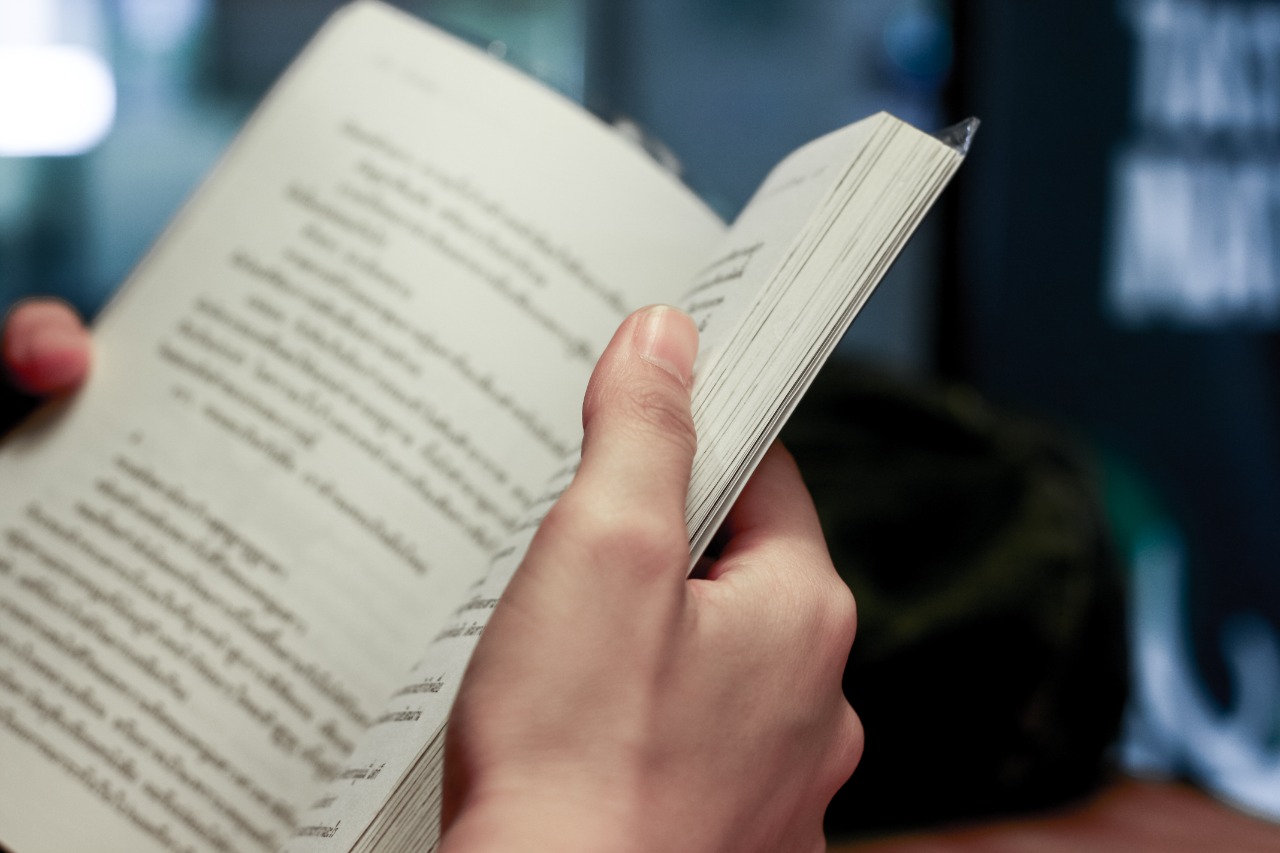
No one doubts that reading is an activity that enables the development of critical thinking, the acquisition of knowledge and education in values. Schools claim to teach this function and promote its use, but it turns out that learning to read does not ensure the formation of a reader. The reading rate in Latin American countries is still below the world average. Therefore, regardless of the methods used to learn to read, what should be addressed is the formation of the reading habit.
The «habit of reading» is defined as the daily self-training of reading, carried out with pleasure and satisfying a personal need. That is, it should begin with individual self-discovery through the stimulation of curiosity, identification of interests and the formulation of questions as vital needs, so that their satisfaction is consummated in the search for truth, the encounter with books and their regular reading. The curriculum may contemplate these principles but it also shows discrepancies in the methods to achieve them, and it is quite understandable because such aspects address very particular and intimate experiences. One evidence of this is precisely the existence of people who became readers not because of the school, but in spite of it.
The formation of accomplished readers shows a complexity that goes beyond didactics because it deals with the psychology of the subject. Moreover, whoever intends to take on the task of forming an autodidact must logically possess this quality. A national debate is necessary to transform an education immune to future catastrophes and changes.
Eduardo Molina Morán



I totally agree with you, dear Eduardo.
First of all, it is required that the main actors of the educational act, teachers and lecturers, develop strategies of all the «self» that you suggest, mainly, to be self-taught.
Secondly, of equal importance to the first, there is an urgent need for a shift in the educational task back to face-to-face teaching, after the rupture of the pre-pandemic academic paradigm.
My contingent at the disposal of any project in favor of a globally responsible and contextualized university education.
Best regards,
Yvette