
I recently had the pleasure of reading in this blog the article published by Dr. Eduardo Molina Morán entitled “Reading: For an education immune to another pandemic. In this proposal, the author warns us that, with the return to face-to-face teaching in educational institutions “we are at a key moment to discuss a change in the pedagogical model”; he defends the need to address the formation of the reading habit and touches on the issue of stimulating curiosity in students, the satisfaction in the search for truth.
I fully agree with Dr. Molina and I would just like to add to or fertilize some of his approaches. I would like to refer to curiosity, to what is understood by a curious person. According to the dictionary of the Royal Spanish Academy, a curious person is one who is “inclined to learn what he or she does not know”. Perhaps the best and greatest example of a curious person is one of the people in the history of mankind that I consider to be the most integrally formed, the one who was a painter, anatomist, architect, paleontologist, artist, botanist, scientist, writer, sculptor, philosopher, engineer, inventor, musician, poet and urban planner. I am referring to Leonardo da Vinci. His figure, instead of being forgotten, is growing in these times of vertiginous convergence of knowledge, where multi and interdisciplinarity have overflowed. It has even become of great interest to know his way of acting, of distributing his time, of organizing his tasks, reflected in an interesting book entitled “How to think like Leonardo da Vinci” by the researcher Michel J. Gerb.
The valuable thing about all this is that, since those remote times, Leonardo da Vinci was already illuminating and showing us the path that Dr. Molina so brilliantly and pedagogically presented in his post. In the book to which I allude and where the principles that governed the thinking of da Vinci are treated, the first, perhaps the fundamental one, was his curiosity. Everything attracted him, he was a great observer, reader, asking himself great questions. His diary of thousands of pages, for which Bill Gates recently paid nearly thirty-one million dollars for 18 of them, reflects this multidisciplinary coming and going.
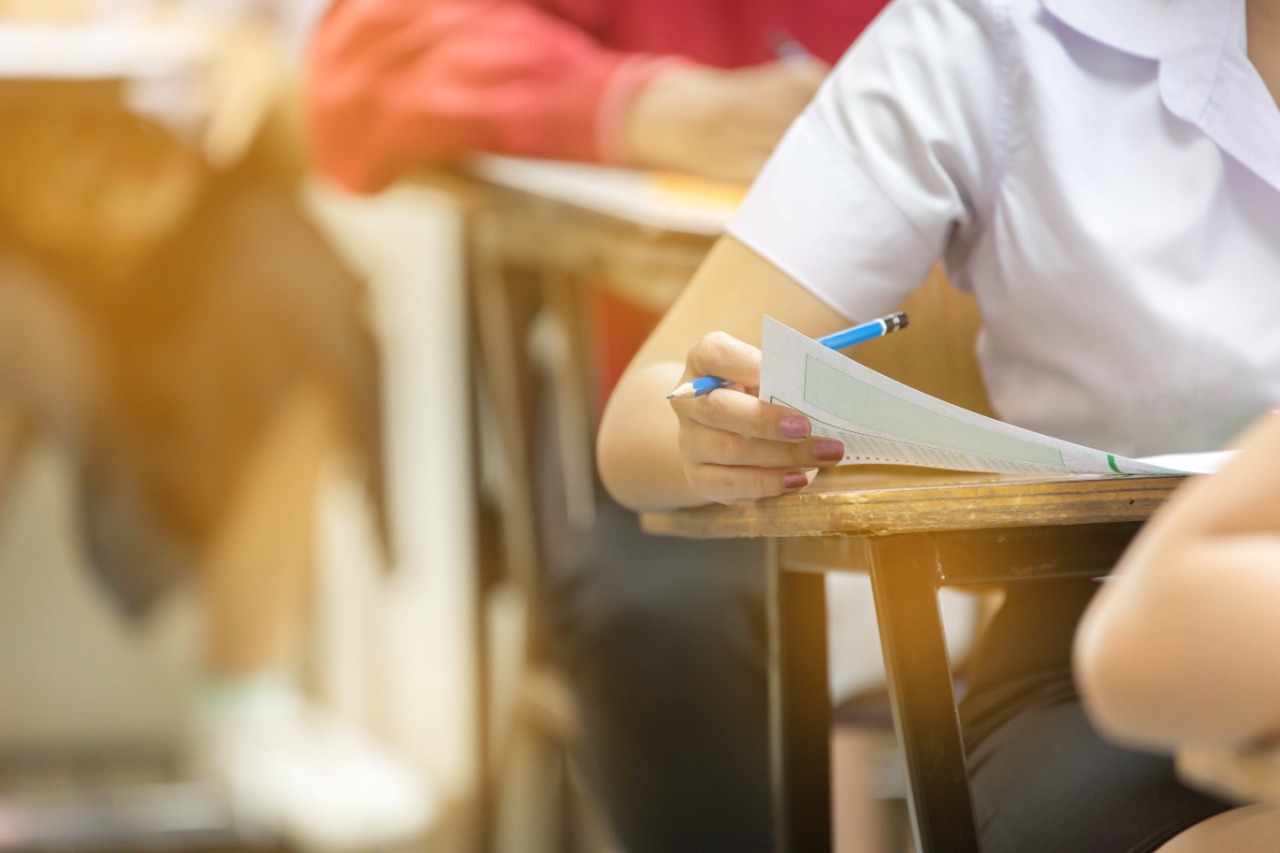
Isn't that what we want from our students? Curious students, who self-regulate their learning, true self-learners, who make mistakes and take them as part of learning. Reading motivated by that great curiosity to know new things and even create, innovate from what they read, observe, socialize.
What an important challenge for all of us, guides, companions, participants in the construction of knowledge, in the development of competencies of our students! As Dr. Morán says in his post, “whoever tries to take on this task must logically possess”, I would add almost obligatorily “this quality”. Curiosity as a quality of our students and teachers is undoubtedly one of the fundamental pillars of educational sustainability.
A world marked by pandemics, catastrophes and wars requires peace and justice, and this can only be achieved with educated, competent citizens capable of responding adequately to these new problems or challenges that humanity will surely face.
Giraldo de la Caridad León Rodríguez
Doctorate in Education Professor