


Today, we cannot discuss intelligence as a unique, singular and determining factor of a subject. Science itself has shown us that there is a variety of types of intelligence. According to Dr. Howard Gardner's research, these differ from person to person, to such an extent that they can be diversified into typologies such as: logical-mathematical, verbal, visual-spatial, musical-auditory, bodily, intrapersonal, naturalistic, and intrapersonal intelligence.
This topic opens a range of questions about intelligence or about what type of intelligence is the most important? For this, the answer ends up being relative, that is to say, it depends on the context, the circumstances and other external and internal conditions; in addition, we cannot say that a person is or is not intelligent, due to the fact that he does not fulfill a function in a certain way.
On the other hand, research on types of intelligence became more widespread with Gardner's studies. Such is the case of the contribution of professors Mayer and Salovey; who, in the nineties, provided a compelling contribution to academia, which was called Emotional Intelligence. This topic would later become a best seller by Professor Daniel Goleman.
Specialists such as Extremera and Mérida (2019) corroborate the definition of this type of intelligence as the ability to perceive, understand, comprehend and regulate one's own and other people's emotions and feelings in order to achieve a positive synergy in any environment. Indeed, several researches point out that this is a great skill of renowned CEOs, contemporary leaders, philanthropists and scholars of certain topics. And since this is the situation, its transcendental importance for development should not be overlooked, even more so when it can be built from school.
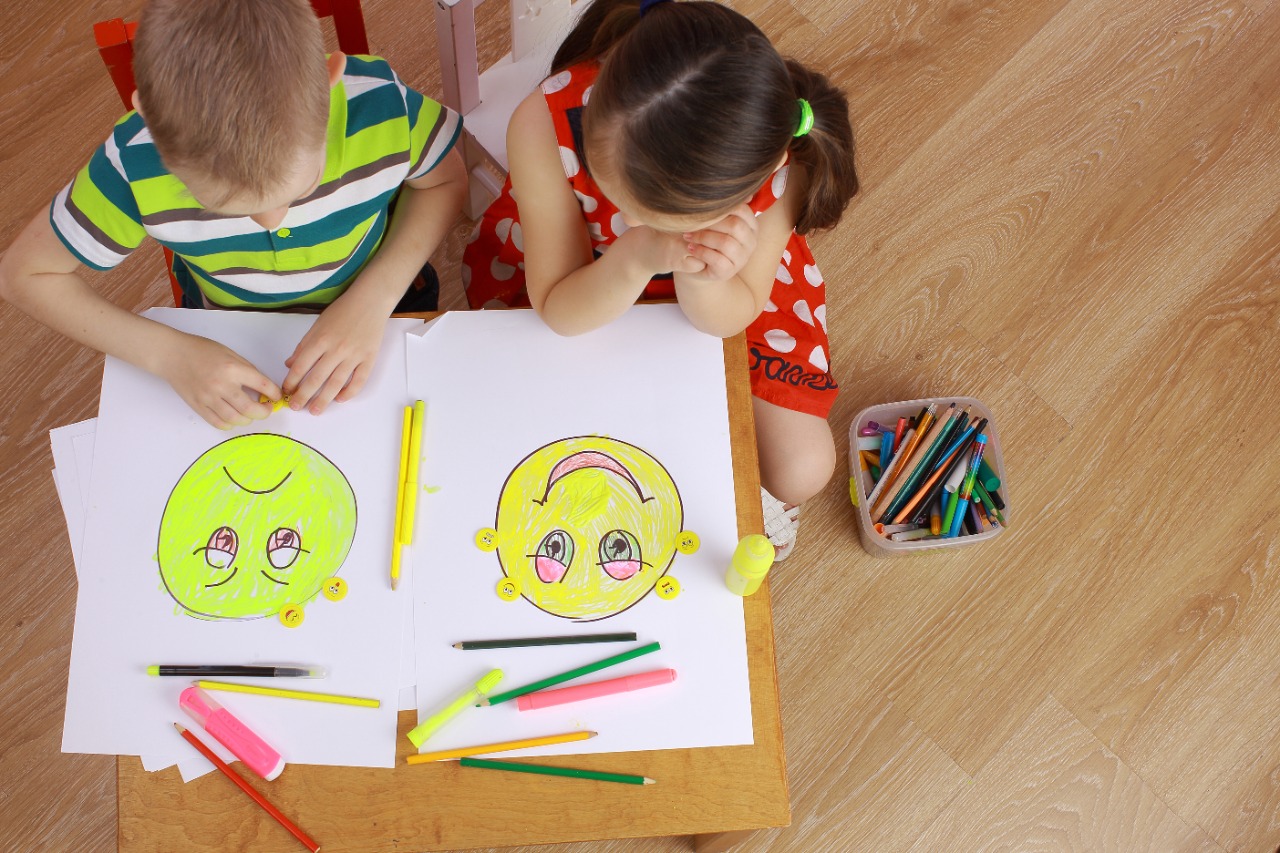
In fact, developing emotional intelligence from educational centers has become a focus of attention in several academic entities in countries of the old continent, which have a comprehensive approach to educational development. Therefore, giving this nuance of importance in childhood and adolescence will be of prosperous results in the individual of tomorrow. Since we will be considering the formation of a person with characteristics of self-confidence, self-motivation, self-regulation, assertive communication and empathy.
In itself, the potentiation of this capacity in training stages will not only promote positive aspects in the individual, but will allow good interpersonal relationships among peers, causing an academic environment where harmony, motivation, meaningful learning, companionship and the neuropsychological aspect balanced synergistically.
Luis A. Alvarez Silva, Neuro-Psych. Msc.
Teacher - Researcher, Postgraduate in Education.




Interesting, education must be empowered from the foundations of the future man.