Valeria Barrero and Alejandro Alvarado, students of Graphic Design at the School of Communication of the Universidad Espíritu Santo (UEES) were the winners of the first and second place in the Official Logo contest of the Superfoods Ecuador Cluster. This initiative was promoted by the Ministry of Production, Foreign Trade, Investment and Fisheries as part of the Macrorrueda 2023, the most important business platform in the country, where the main representatives of the productive industries that boost Ecuador's foreign trade meet.
Currently, the Superfoods market is in constant growth and demand at an international level. Foods considered Superfoods have characteristics such as high levels of nutrients and health benefits; therefore, they have become an attractive option for people interested in improving their lifestyle. In Ecuador, taking into account the richness in biodiversity and natural resources, it was decided to implement a Superfoods cluster. In this way, it seeks to boost the local economy through the supply of nutritious and sustainable food, which is a highly valued feature in international markets.
This year, the Superfoods cluster decided to open a contest for professional designers, freelancers and universities with graphic design students. The students, Valeria Barrero and Alejandro Alvarado, were guided by the teacher Mario Moncayo Romero, MSc., who closely followed the proposals of the brand manuals that were presented for the Superfoods cluster.
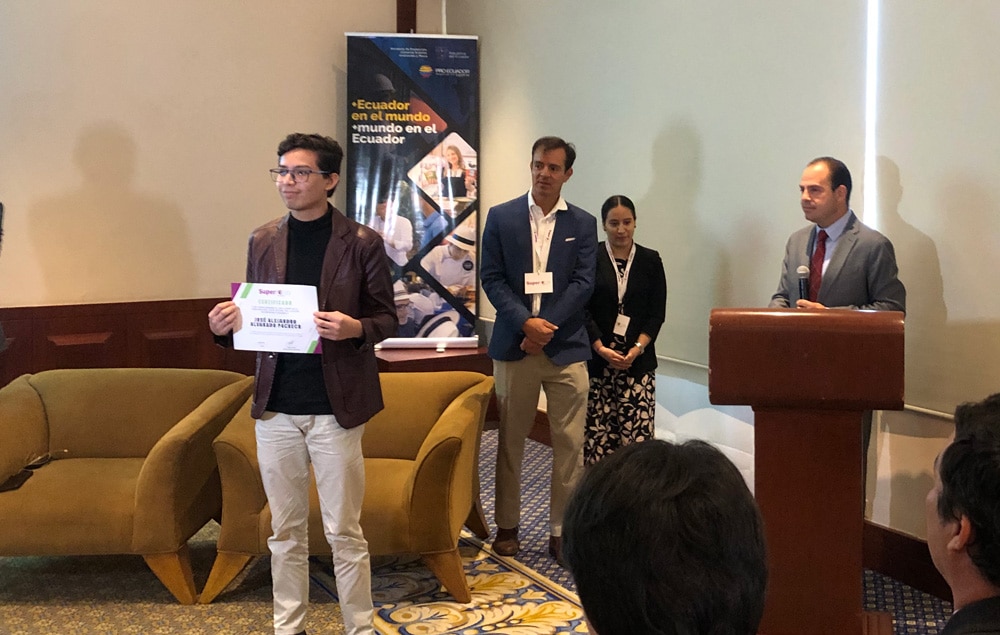
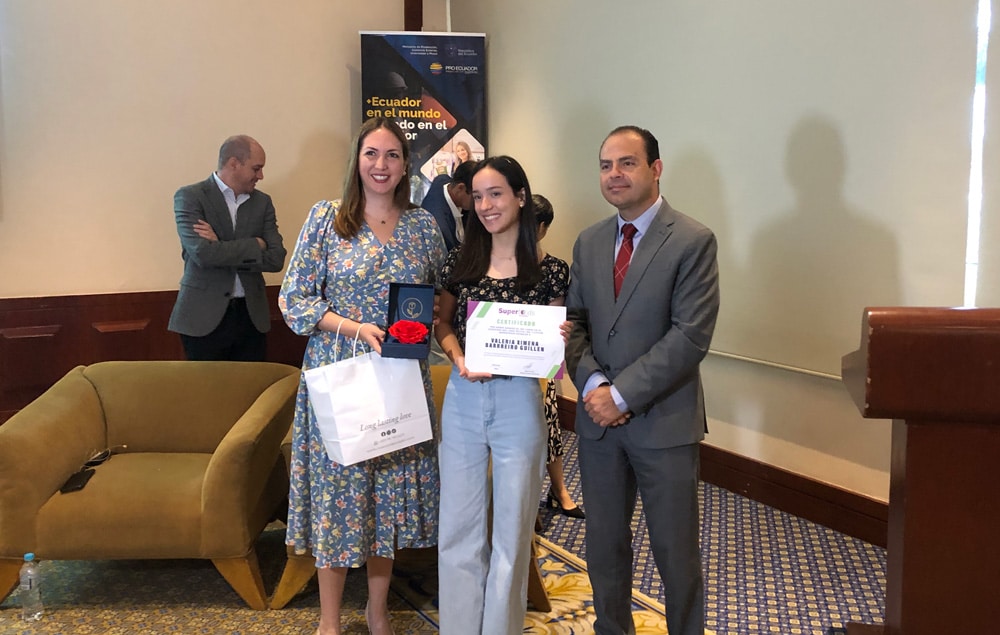
This experience gave free rein to creativity with the objective of highlighting the attributes of the products and each of the proposals managed to capture the strengths of these products in an authentic and effective way. The students conducted extensive research as part of the proposal design process to determine the characteristic elements of the Superfoods, and thus define the use of colors to captivate the jury.
When designing the logo, the identity and differentiation of the cluster within a highly competitive market were taken into consideration; for this reason, the focus was to design a logo according to the needs of the Superfoods cluster. In this way, it was possible to highlight its authenticity in the industry and that the logo transmits the corporate values. On the other hand, the logo aims to effectively communicate information about the quality of the products it represents, through the use of its corporate colors, lemon green and dark green representing organic products in their harvest presentation, as well as the magenta color that represents the color of amaranth, a Superfoods known for its cardiovascular and antioxidant benefits. Likewise, the representation of the quinoa leaf in the union of its two OO's, is directly linked to the sustainability, variety and nutritional density of its products; also, it is a representation of the balance in the welfare of consumers, and the union of companies that make up the cluster.
It is important to highlight that the design of an appropriate logo can solve the need of the Superfoods Cluster of Ecuador, which is to stand out in a competitive market. The logo is necessary because it provides a corporate identity, effective visual communication and differentiation in the international Superfoods cluster market. In other words, the logo becomes a driving and essential tool in market penetration, by having a solid and recognizable identity.
In short, this experience allowed students to put into practice the skills acquired in the Graphic Design career, and they were also able to use previous knowledge and apply it in a professional context. In short, this type of alliances between academia and institutions linked to the productive sector generate spaces that promote learning and imagination that are useful for the development of professional training. It is worth highlighting the confidence of the Superfooods cluster in the academy, the support of the university, the mentoring of the professor who encouraged us to take on this challenge and all those who were part of this great journey.

Universidad Espíritu Santo (UEES), began its academic activities in 1994 as a private, self-financed, non-profit institution. Its spirit of commitment and constant innovation are present in the quality of the service it offers to its community.