For the first time, Ecuador has a comprehensive and updated inventory of the non-native vascular flora of its continental territory, the result of collaborative work led by Ileana Herrera, research professor at the Universidad Espíritu Santo (UEES), together with the National Institute of Biodiversity (INABIO) and 23 national and international researchers. Published in the scientific journal NeoBiota, The study identifies 1,260 non-native taxa - including five regional ones - of which 486 grow in the wild. This figure doubles the records of previous inventories and establishes a solid scientific basis for the development of public policies that safeguard the environment, the economy, human and animal health, and national biosecurity.

The analysis details that 52% of the wild taxa are naturalized and 48% are considered casual. More than 60% come from Asia and/or Africa, with a predominance of herbs (67%). The Andean region concentrates 93% of wild non-native species, followed by the Coast (52%) and the Amazon (37%), the regions share many taxa, although some are exclusive to one region. The most represented families are Poaceae (16%), Asteraceae (10%) and Fabaceae (9%). The introduction history that could be compiled reveals that 87% of these plants have been in the country less than 125 years, with a notable increase since 1915. Nearly 80% have documented uses, mainly ornamental (42%) and medicinal (38%), which, together with longer residence time, increases the likelihood of naturalization.
More than a simple list, this catalog is a strategic tool to prevent the entry of new invasive species, prioritize control and eradication actions, reduce risks to health and food security, and protect productive sectors such as agriculture, livestock and tourism. In addition, it strengthens compliance with international commitments such as Target 6 of the Kunming-Montreal Global Biodiversity Framework, the Convention on Biological Diversity (CBD) and target 15.8 of the Sustainable Development Goals (SDGs), as well as the advancement of national policies and strategies such as the National Biodiversity Strategy and its Action Plan and National Action Plan on Invasive Alien Species.
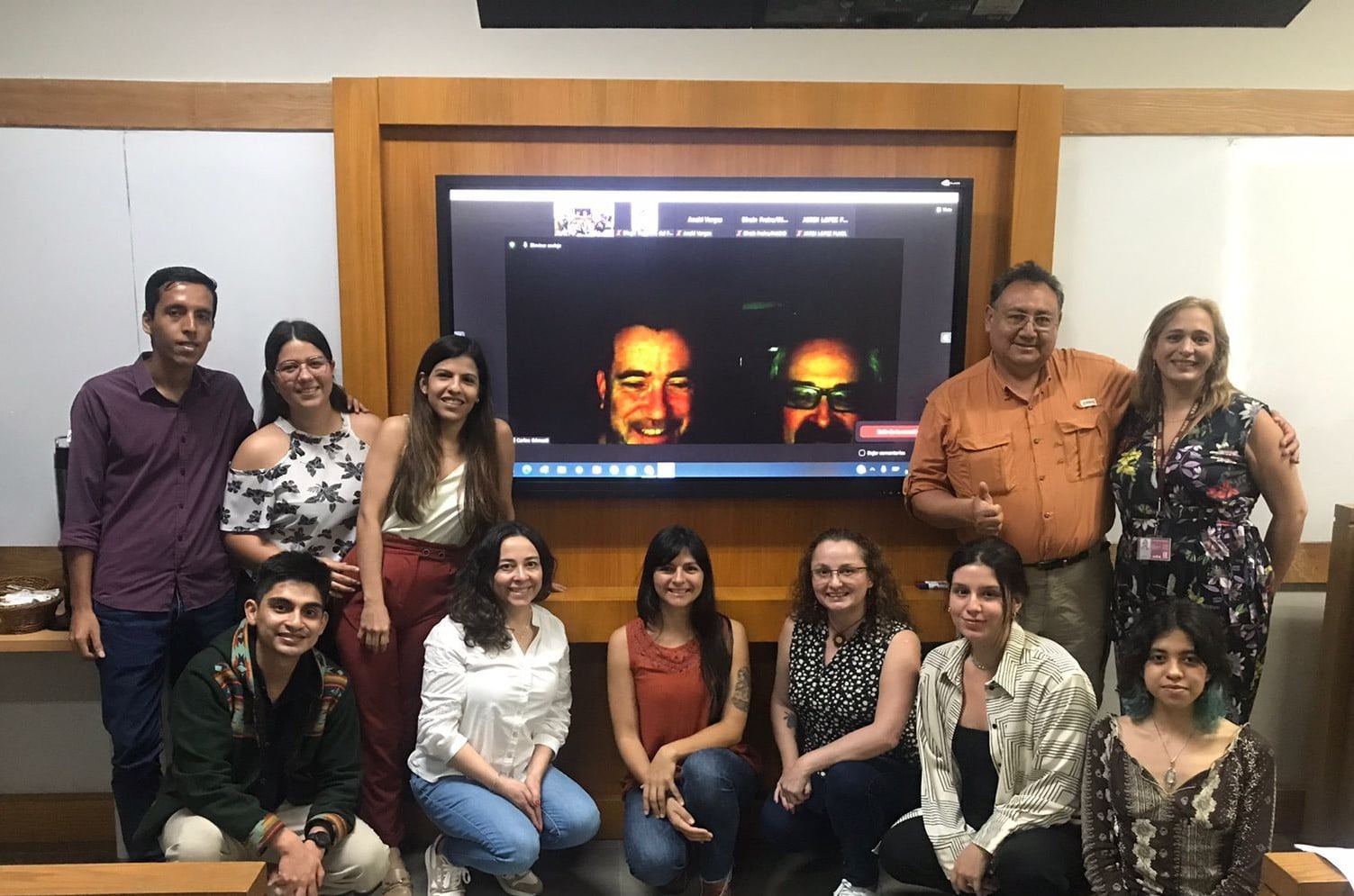
“This catalog is not just a list, it is a roadmap for action. Without solid information it is impossible to design effective policies that slow the advance of invasive species and protect our natural heritage.»
With initiatives such as this one, UEES consolidates its position as a key player in high-impact scientific research, positioning Ecuador at the regional forefront of biosafety and conservation.

Universidad Espíritu Santo (UEES), began its academic activities in 1994 as a private, self-financed, non-profit institution. Its spirit of commitment and constant innovation are present in the quality of the service it offers to its community.