


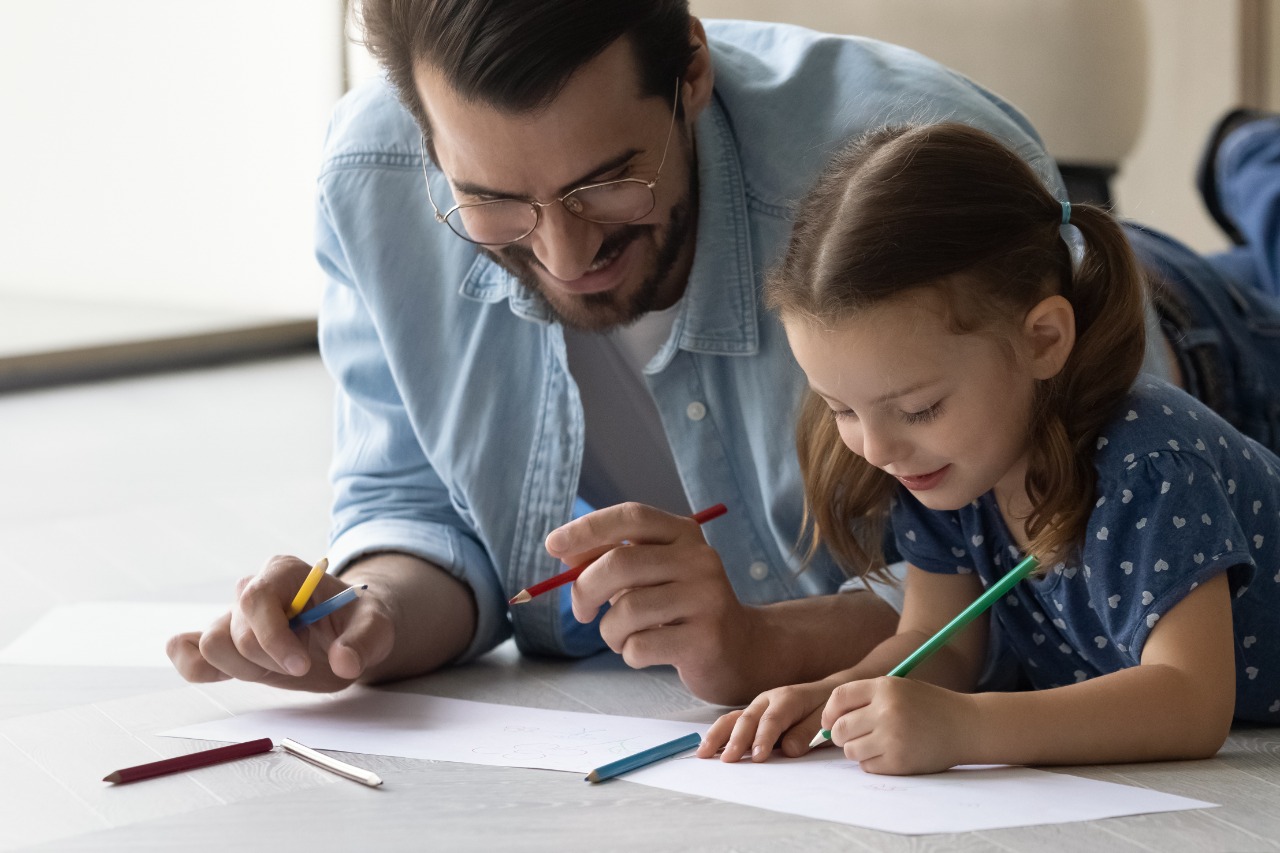
Education is a fundamental pillar of human and social development, constituting “a right of people throughout their lives and an inescapable and inexcusable duty of the State” (Constitution of Ecuador, 2008).
In this process, fathers and mothers have the responsibility to participate in order to contribute to the integral development of their children, a commitment that begins with family planning, being fully aware that procreating a human being involves taking care of it in all its multidimensionality, i.e., food, health, clothing, housing, love, protection and education.
Reference is made, then, to a responsible motherhood and fatherhood to provide a full and dignified life, in which the educational factor is paramount, “fostering an appropriate learning environment at home, organizing spaces dedicated to recreation and leisure, within the framework of the appropriate use of time.” (LOEI, 2011, p. 66.).
It also involves the participation of parents in school education, both in the organizations of the educational institution and in the academic development of their children, being co-responsible for the achievement of their children's educational goals.
The scarce involvement of parents in children's school life has an impact on their performance, on their lack of interest in the fulfillment of tasks, on communication processes, on their emotional balance and on their self-esteem, affecting their adaptation to the educational center. All this results in poor school performance, learning problems, often linked to inappropriate behavior, leading to insecurity, difficulties in social interaction and, finally, to the loss of the school year.
In addition, children may have problems with attention, concentration, memory, and behaviors that demonstrate low tolerance to frustration, which will pose obstacles to school success.
Parental unconcern is also evident in the indifference towards the educational needs and interests of the children, which is reflected in their personal presentation, cleanliness and grooming, incomplete notebooks and worksheets, to which is added the absence of parents in school life, becoming, in many cases, mere spectators, disassociating themselves from any educational action.
The school life of children is affected to a high degree when parents are indifferent and indolent to the educational needs they present, both in normal conditions and in exceptional situations, in which cases the permanent and dedicated attention of the parents is vital, since it is the affective bond that helps to overcome barriers and school difficulties, to stimulate effort and achieve educational objectives.
It is also necessary to consider that in today's society parents are faced with the complexity of how to educate their children, when they live in a work environment that limits the time they have to dedicate to listen to them, guide them and support them in their schooling. Hence the importance of dedicating quality time in which they can consolidate positive habits, autonomy, and develop their thinking.
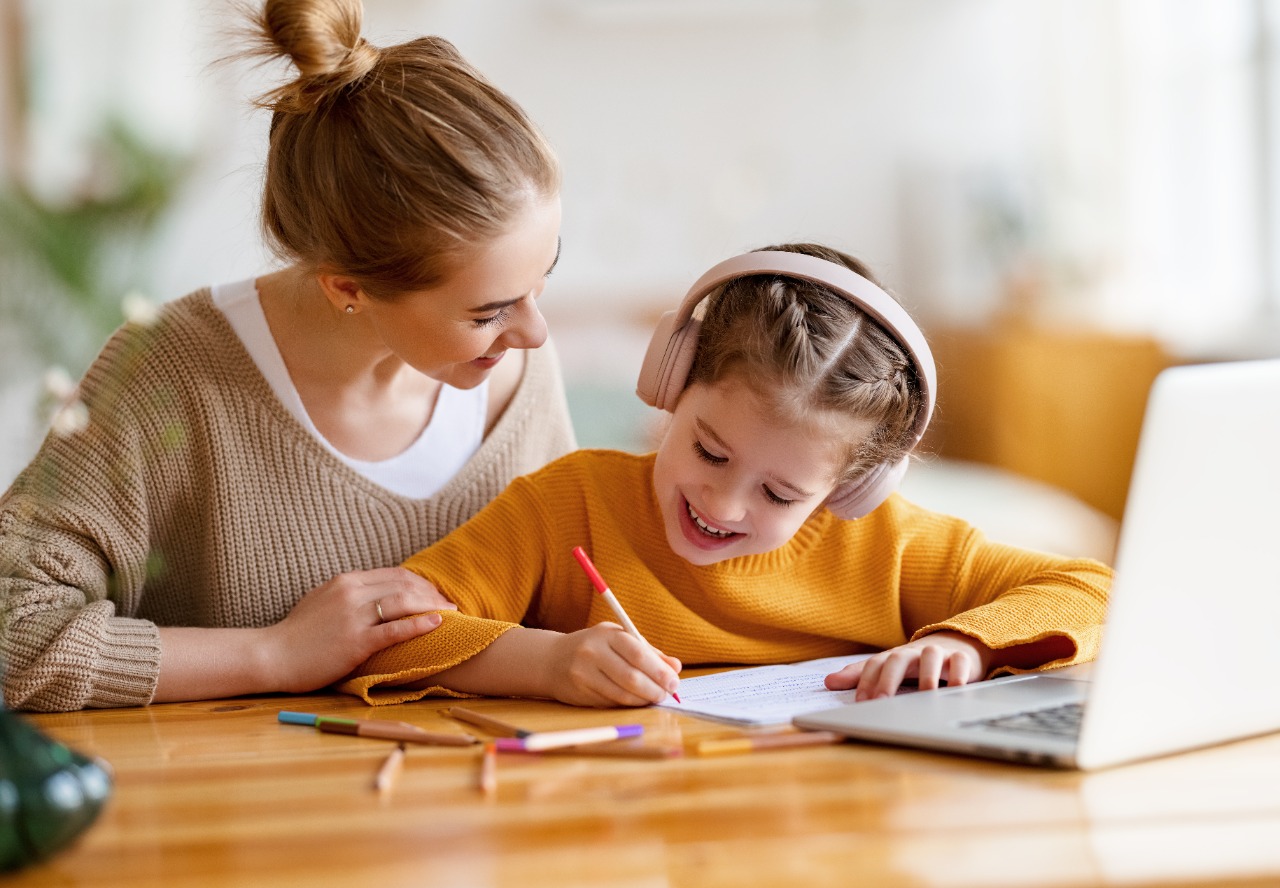
The learning achievements of children and their proper social integration can be achieved when there is the involvement of parents, their active participation and effective relationship with the educational institution, sharing the formative and educational mission, through strategies that can be implemented from home and thus promote the consolidation of the different learning processes.
Therefore, it is relevant that the influence of parents is also seen from the pedagogical support that they can provide at home, through educational actions aimed at academic reinforcement and strengthening, from a playful dimension, which at the same time strengthens the affective family bond.
The direct influence of motherhood and fatherhood in school life results in significant and lasting learning, in the development of language and thought processes, in self-discipline, in the practice of values, in social adaptation, in the child's confidence and self-identification of his strengths and limitations, the latter will be overcome to the extent that parents understand individual differences and do not set goals that exceed the real capabilities of children, so that each child will achieve goals to the extent of their possibilities and with the help of their parents.
In addition, family values and moral principles, such as respect, obedience, solidarity and responsibility, should be fostered by parents in order to positively influence the development of a balanced personality, so that children will be able to build satisfactory emotional bonds.
It is essential to achieve greater participation of parents in the education of their children, which will be achieved to the extent that each parent assumes his or her responsibility in the formation of a human being with appropriate values, knowledge, behavior and attitudes, who will integrate positively into the social context and reach his or her full potential.
In this way, responsible motherhood and fatherhood become important factors to ensure the development of a satisfactory schooling in children, choosing the type of education they consider most relevant according to their principles and ideologies.
Sonnia Granizo, Ph.D.
Teacher at the School of Education
Faculty of Humanities UEES




Stewardship: a new mandatory starting point for pandemic and post-pandemic education, if it ever comes...