

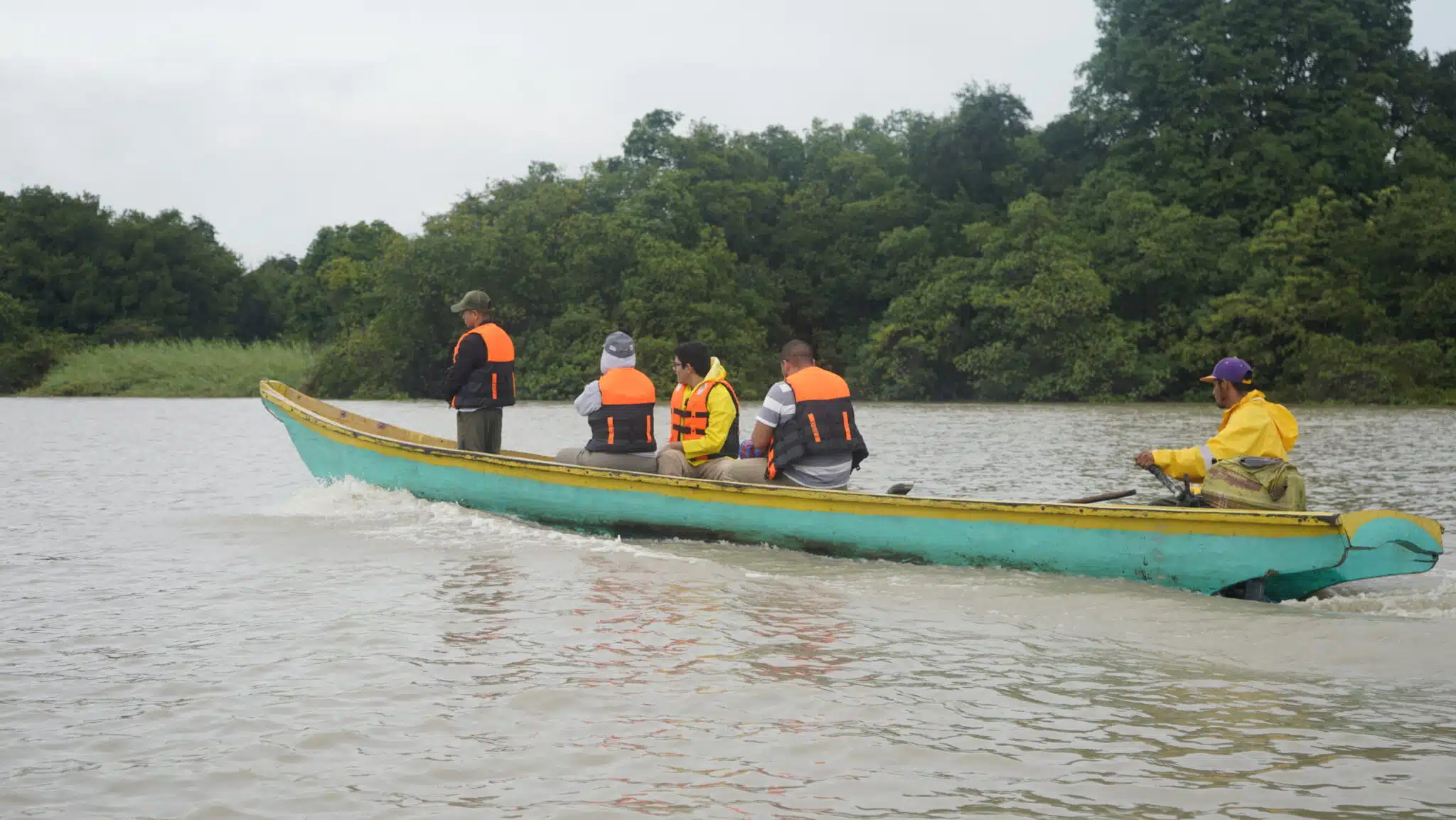
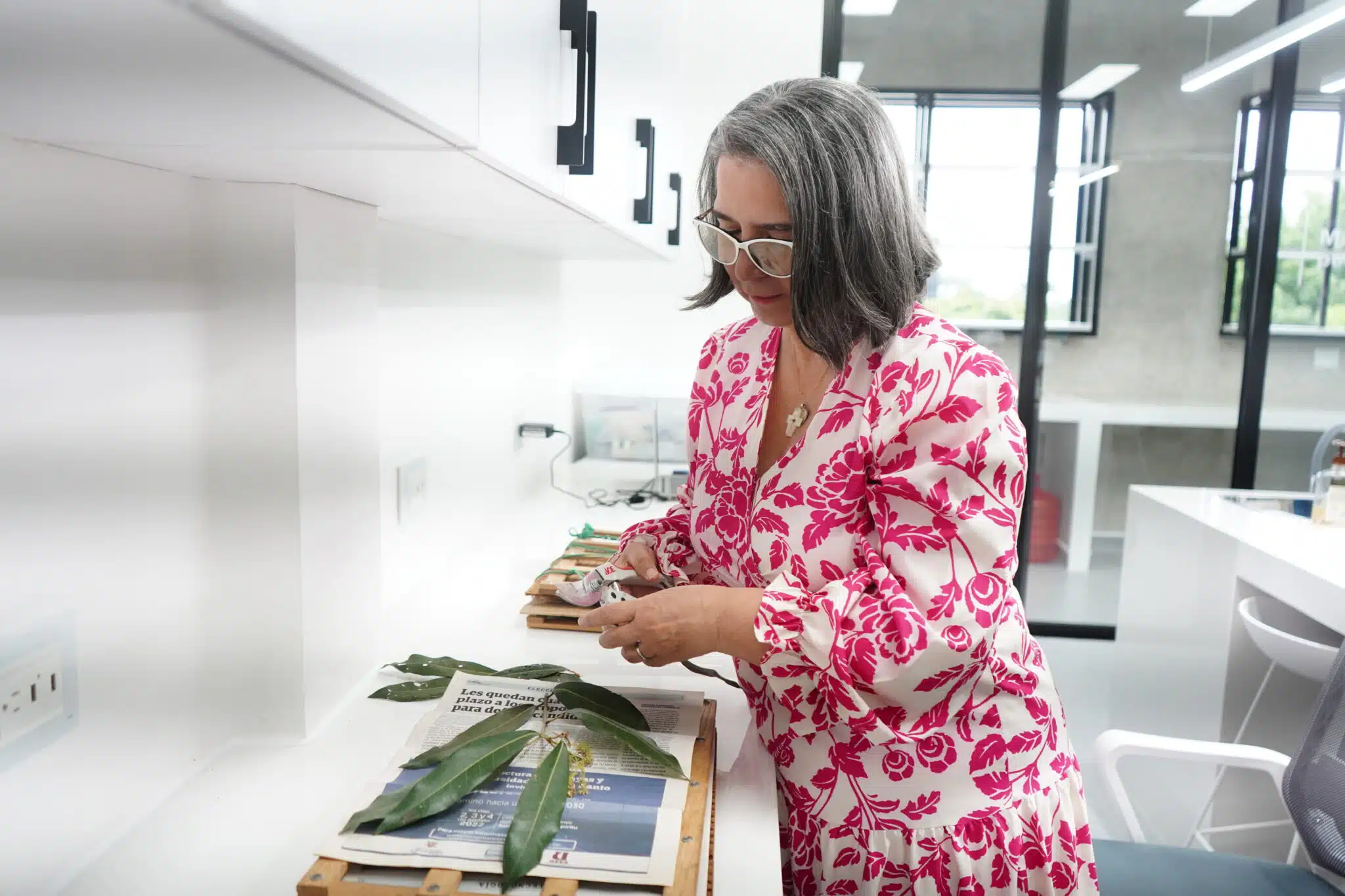
Santay Island, a protected area of 2,179 hectares in the Gulf of Guayaquil, Ecuador, has been the scene of an important environmental finding. The UEES research professor Natalia Molina Moreira identified the presence of the Asian mangrove Heritiera fomes Banks, a rare species typically found in tropical and subtropical areas of Asia. This discovery, made in 2022, was confirmed by Dr. Laurence Dorr of the Smithsonian Institution, and highlights the relevance of Santay Island as a reference in environmental studies.
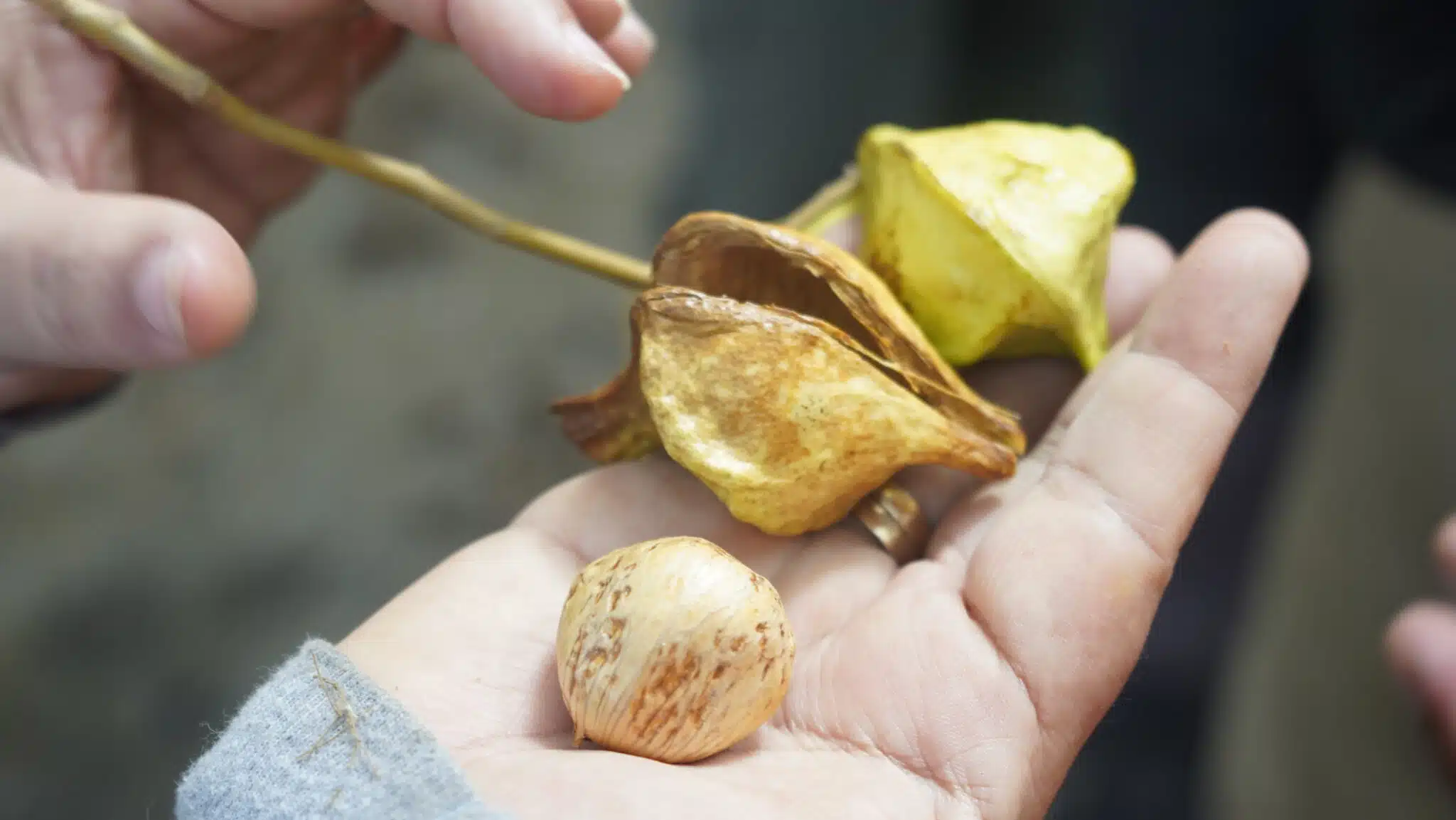
During fieldwork, conducted in collaboration with park ranger Álvaro Torres-Domínguez and biologists Roberto Román and Efraín Freire of the National Herbarium-INABIO, several populations of H. fomes were documented in the northern part of the island. With a total of 81 trees, this species appears to be naturalized, flowering and producing fruit at least twice a year, and growing alongside native mangrove and dry forest species.
However, how the species was introduced remains a mystery, although maritime transport related to trade between Ecuador and Asia is considered the most likely means.
The finding of Heritiera fomes raises concerns about its invasive potential in the local ecosystem, given that the environmental conditions of Santay Island are similar to its natural habitat. This discovery opens the door to the need for future studies to evaluate the impact of this species on local biodiversity and to develop appropriate management strategies to protect the ecological richness of the island.