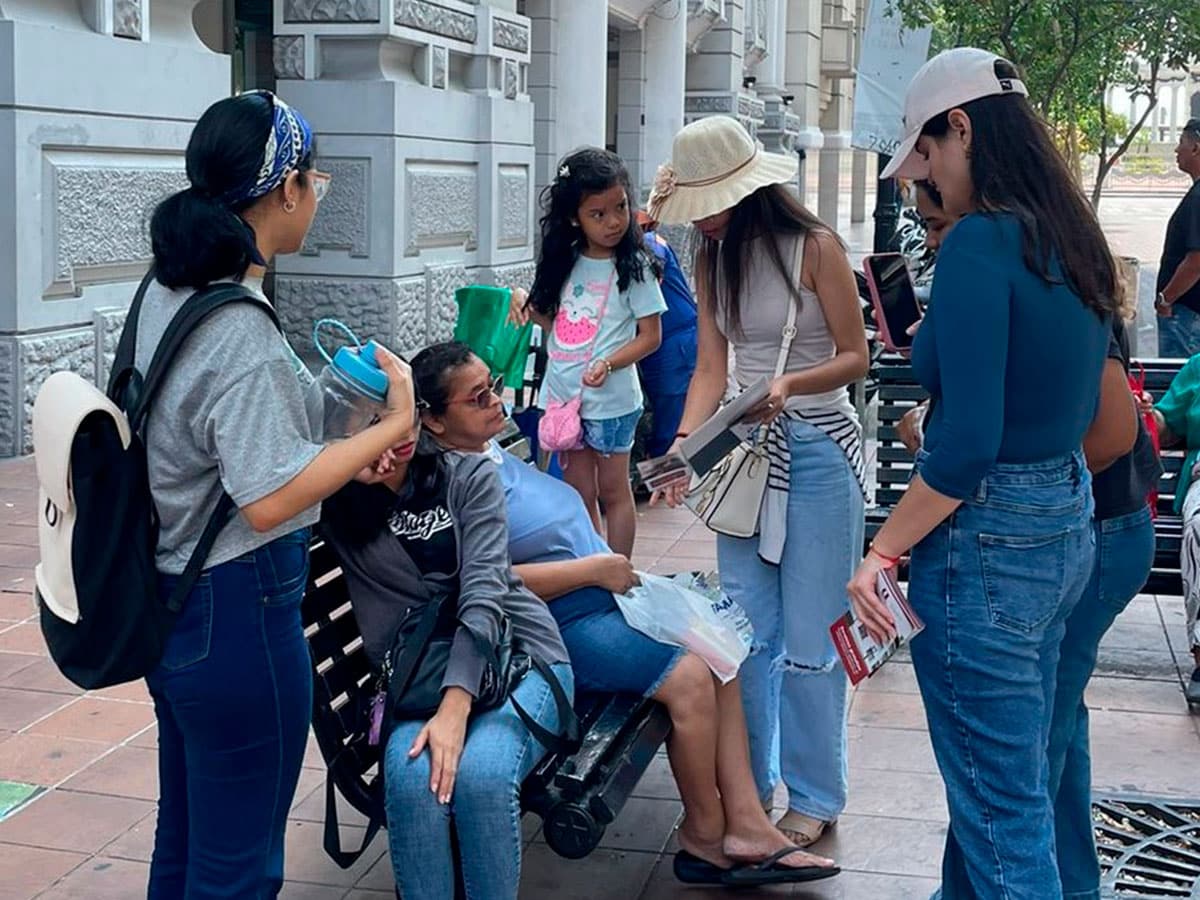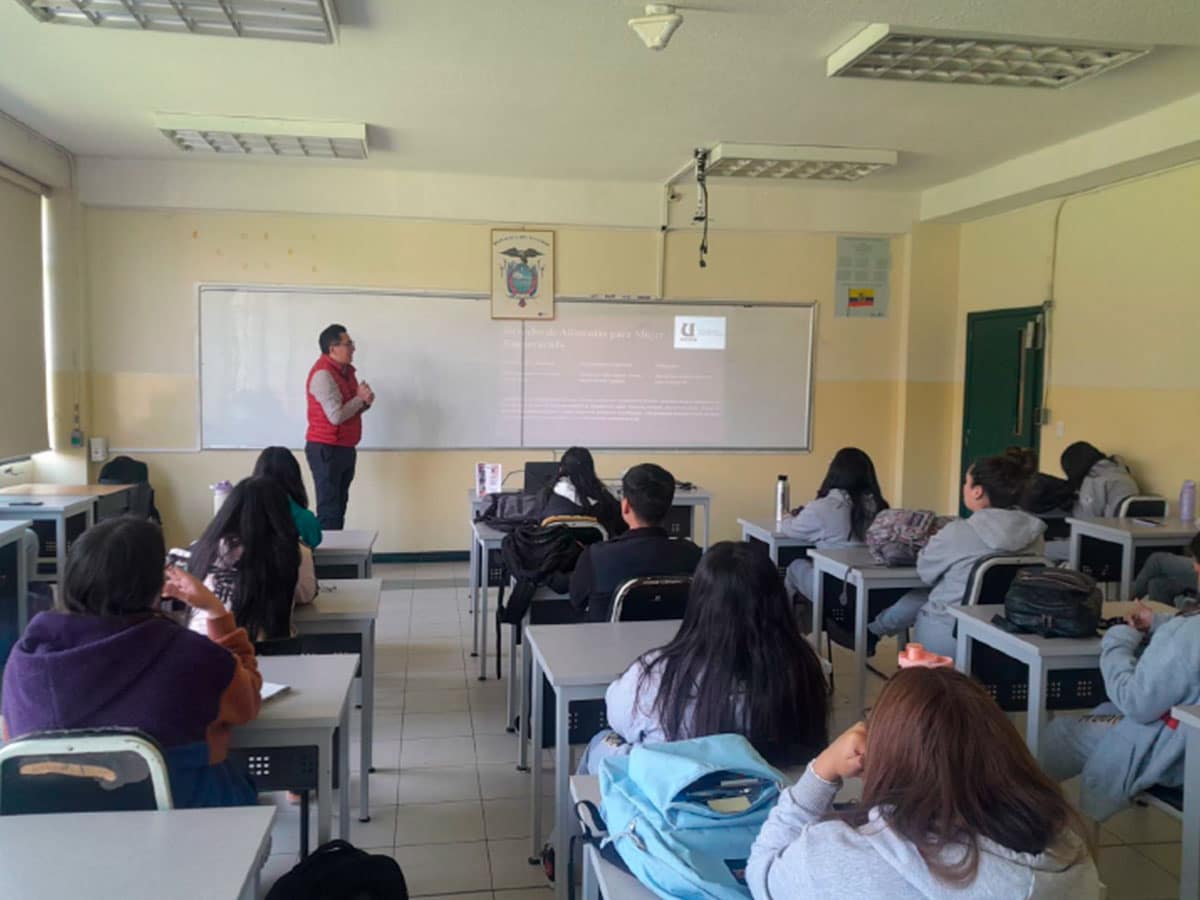

To provide free legal services to people with limited economic resources and priority attention groups, so that by accessing the administration of justice, our users can achieve a solution to the social and family problems that affect them.
Our mission is oriented to be a unit of practice and legal defense with social projection of service to people of scarce economic resources and groups of priority attention; as well as to conform a scenario where the practitioners of the Faculty of Law, Politics and Development generate a practical knowledge in the legal activity in the different fields of law and humanize the professional practice of the future UEES lawyer.
To become a formative space of reference in our environment, in which practitioners learn and develop skills, techniques and abilities to analyze, reflect and argue about our legal system, in such a way that will allow them to articulate these skills with the practice of professional practice in the national and international spheres.
The data entered in this form are for the exclusive use of the UEES Legal Clinic, with the purpose of registering an appointment for virtual counseling by students of the Law School.
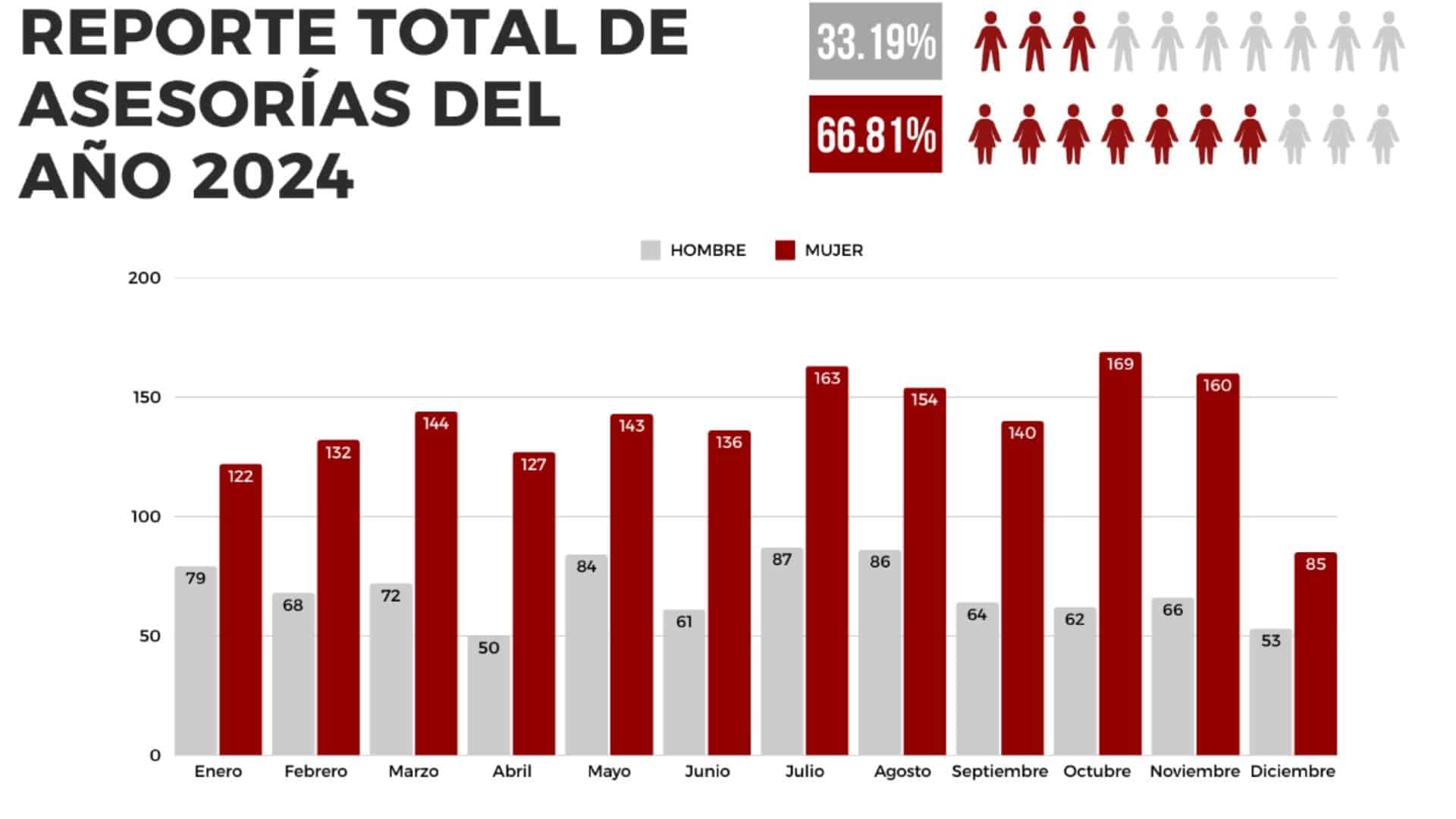
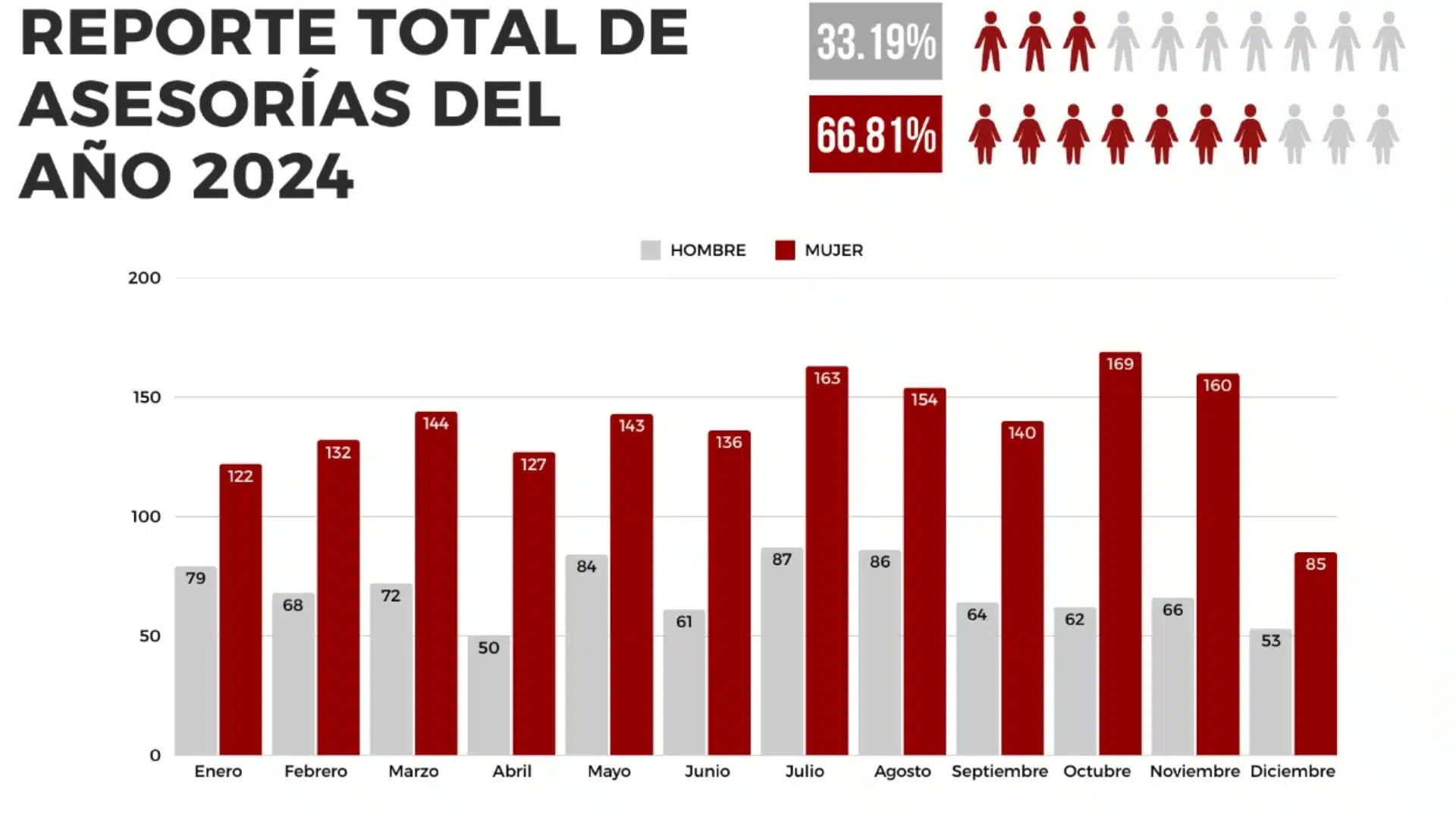
From January 2 to December 27, 2024, legal advice was provided to two thousand five hundred and seven (2,507) users in the areas of: Family, Childhood and Adolescence, Civil, Domestic Violence, etc.
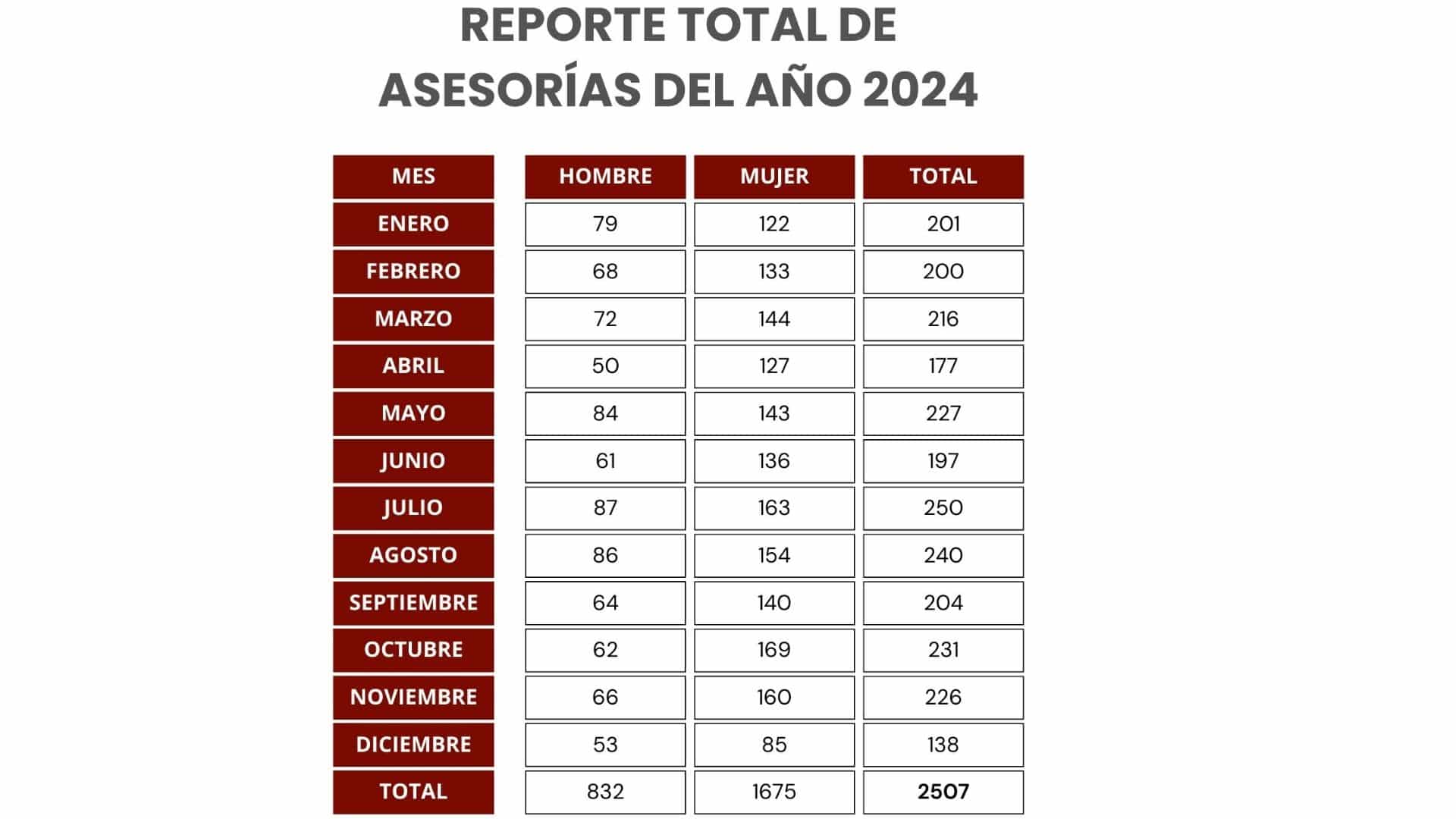
The graph shows that in the months of July, August and October 2024, a greater number of advisory services were provided.
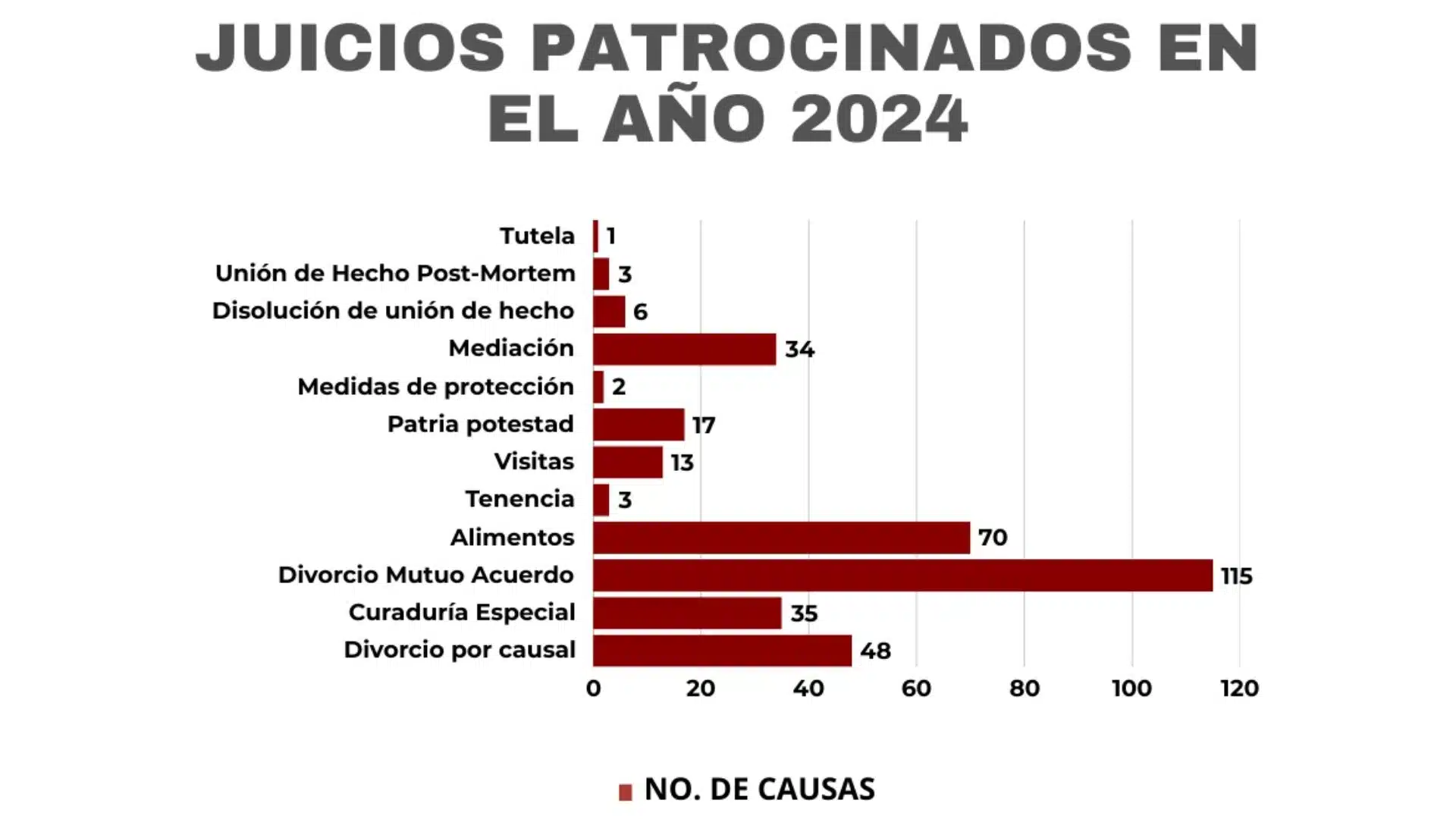
During the period from January 2 to December 27, 2024, the Legal Clinic has assumed the defense of three hundred and forty seven (347) new lawsuits.
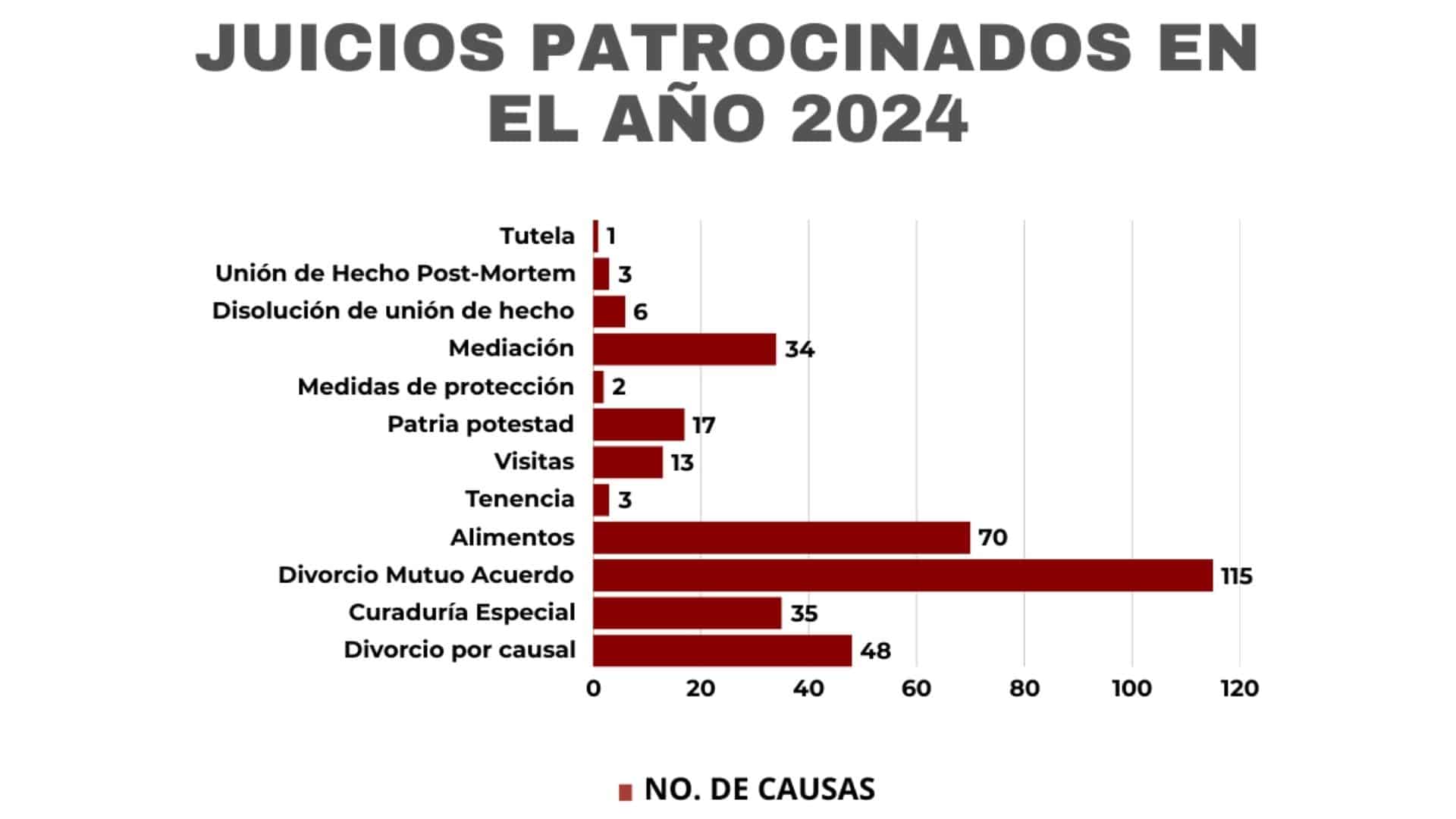
The graph shows that in the year 2024 more divorces were sponsored by mutual agreement, followed by alimony and divorce by cause, special conservatorship and mediation.
From January 2 to December 27, 2024, legal advice was provided to two thousand five hundred and seven (2,507) users in the areas of: Family, Childhood and Adolescence, Civil, Domestic Violence, etc.
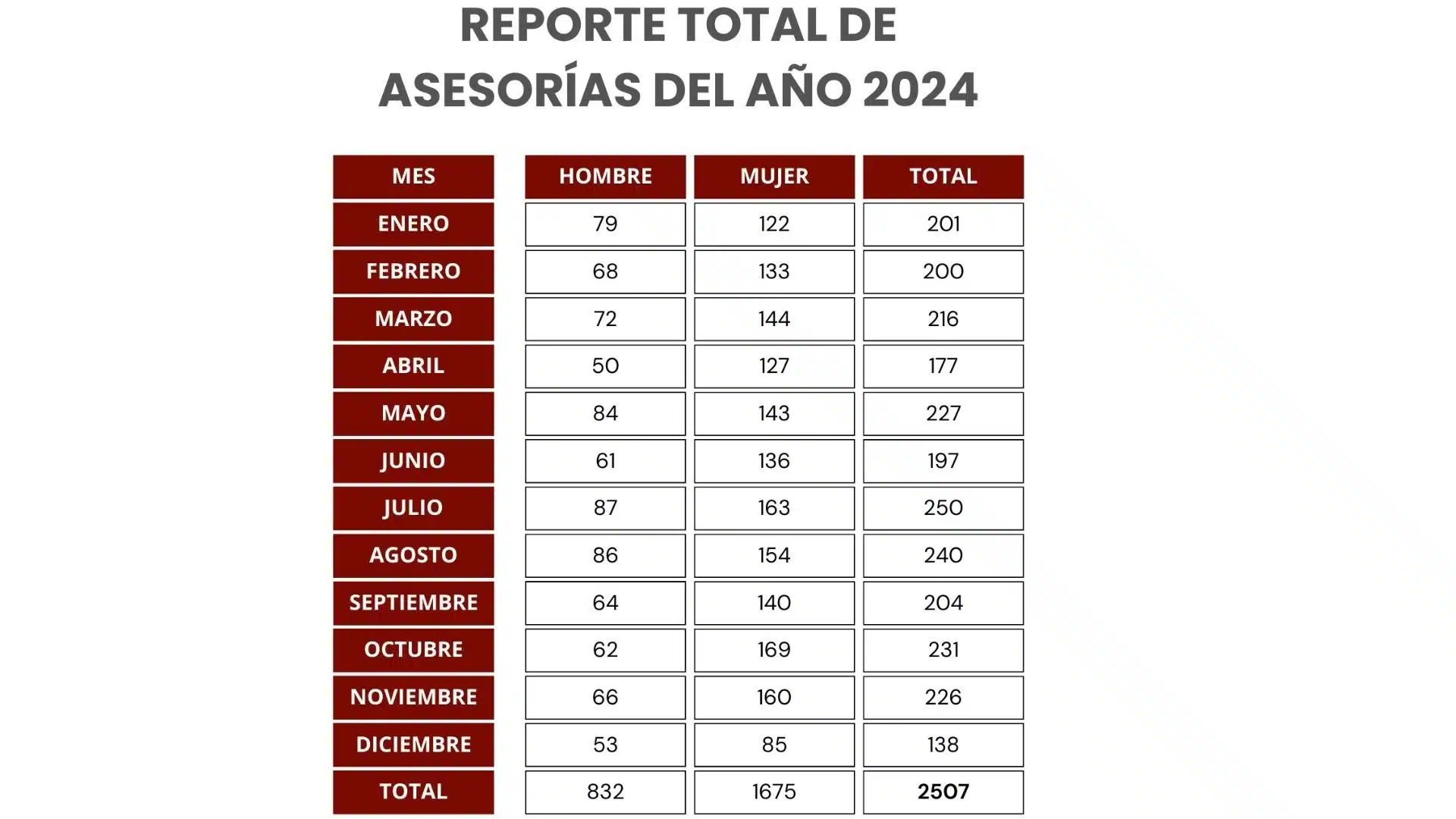
The graph shows that in the months of July, August and October 2024, a greater number of advisory services were provided.
During the period from January 2 to December 27, 2024, the Legal Clinic has assumed the defense of three hundred and forty seven (347) new lawsuits.
The graph shows that in the year 2024 more divorces were sponsored by mutual agreement, followed by alimony and divorce by cause, special conservatorship and mediation.
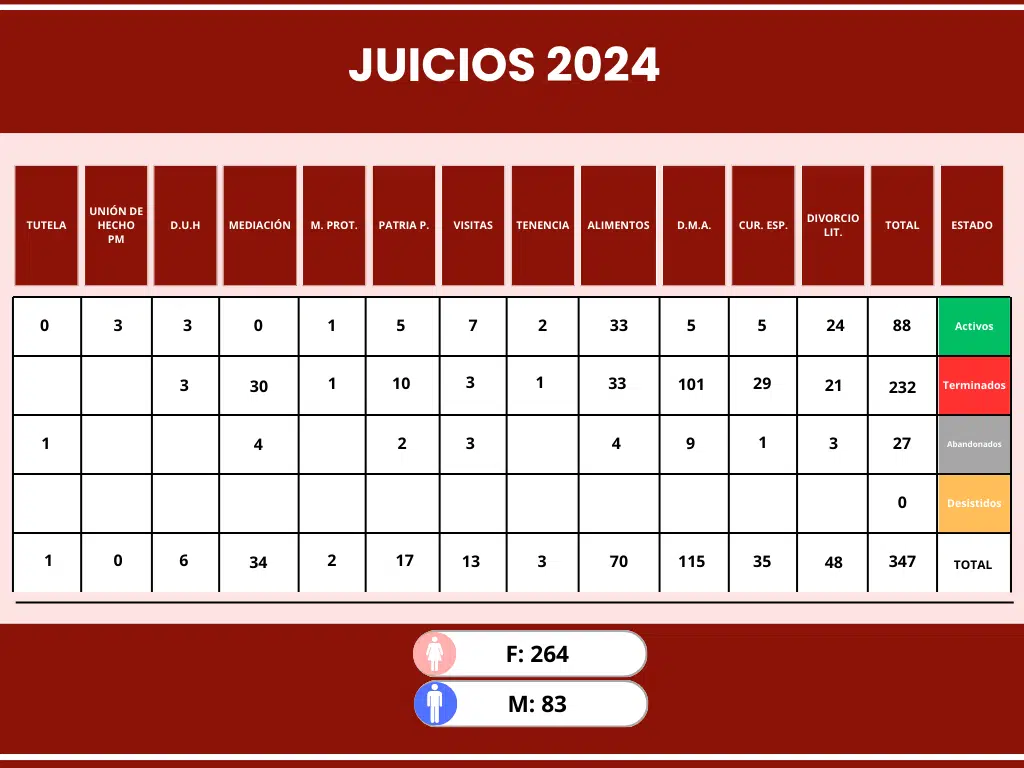
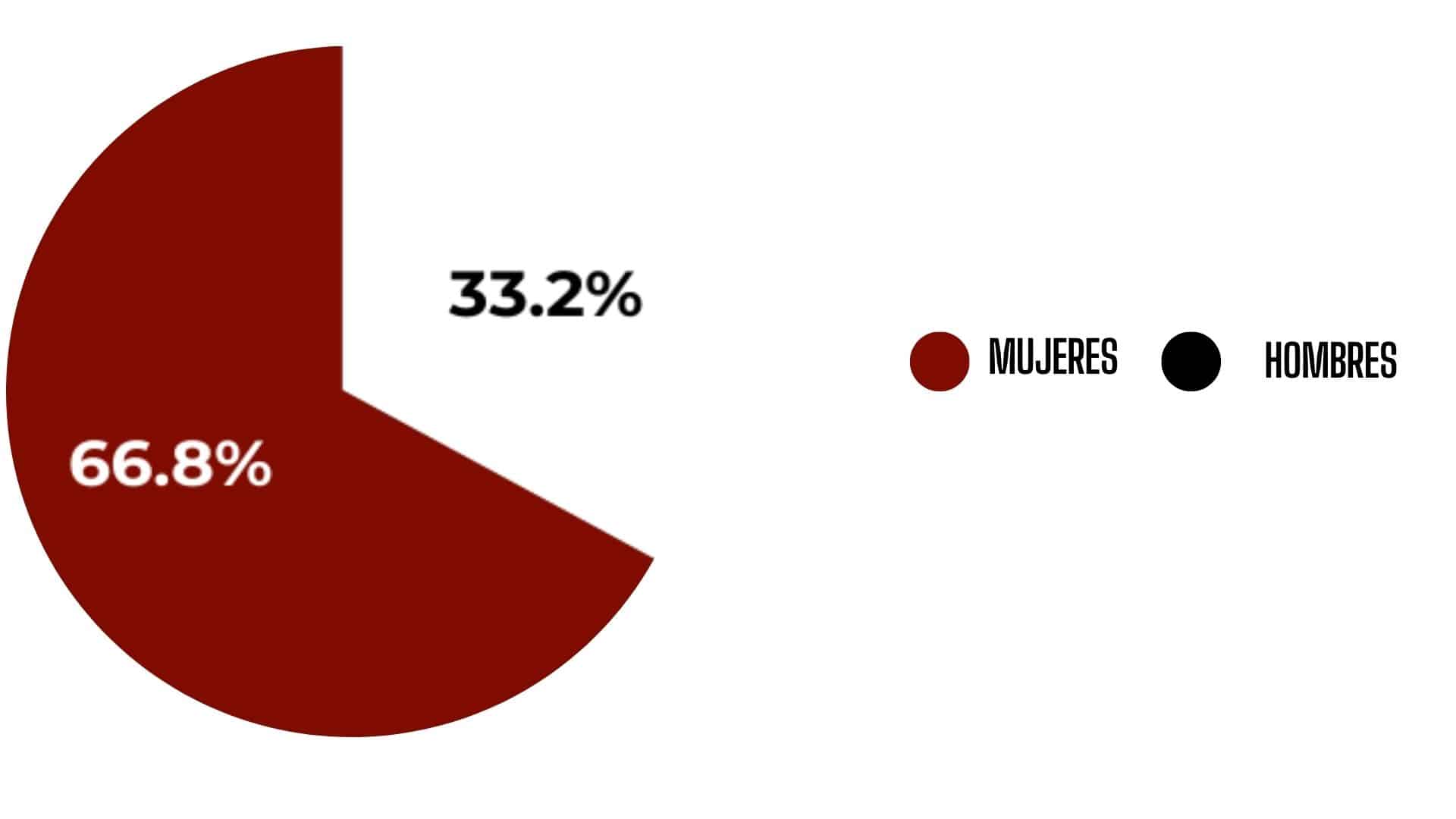
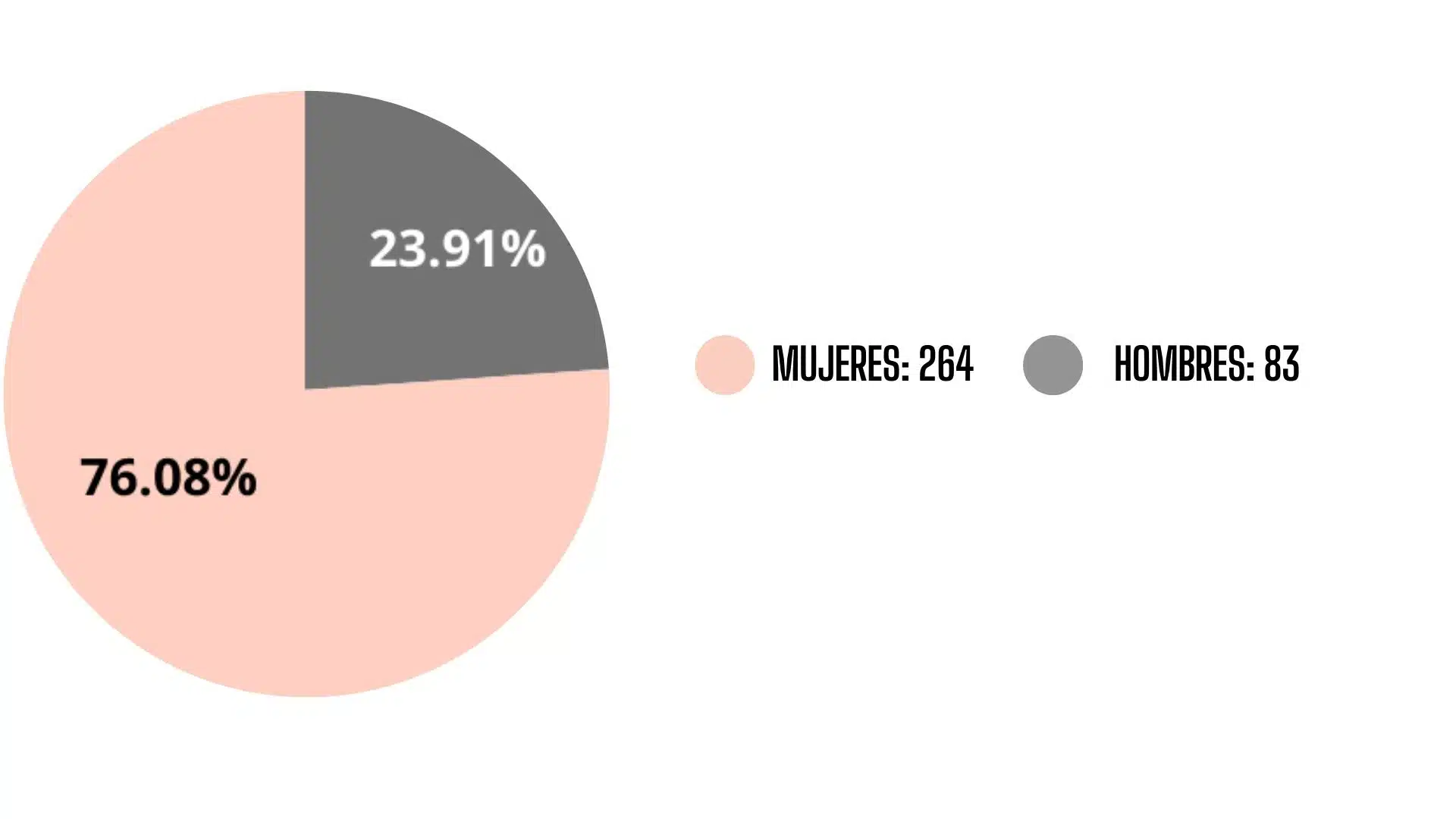
During 2024, 76.08% of the sponsored cases corresponded to proceedings initiated by women (264), while 23.91% of the sponsored trial users were men (83).
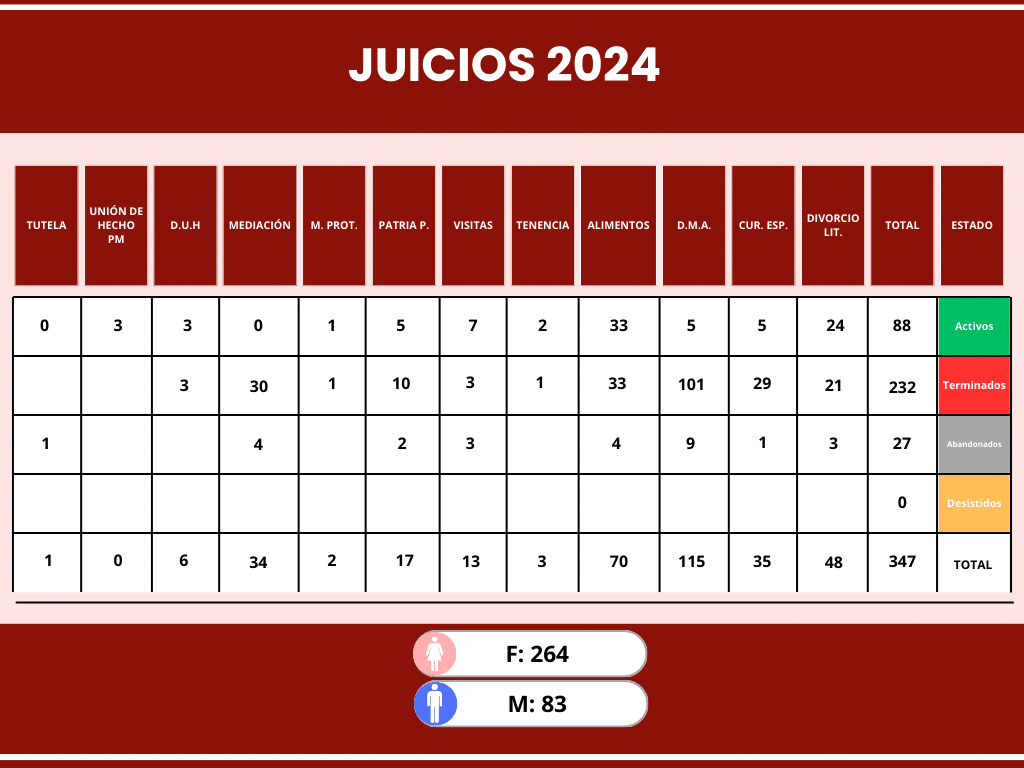
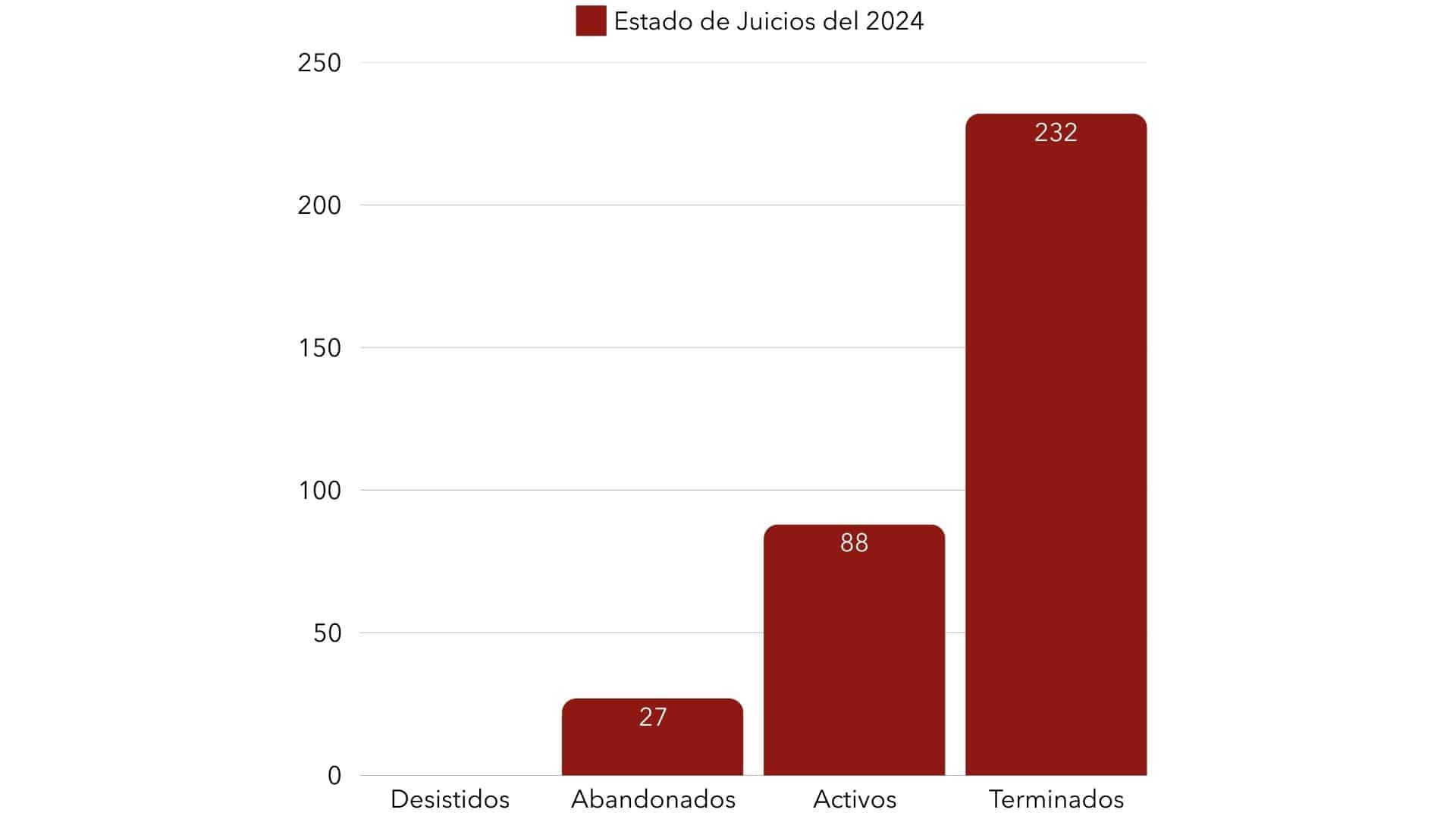
The highest percentage of the cases correspond to completed trials, which demonstrates the participatory work of the students to whom the cases are assigned, who have the duty to conclude the assigned case as much as possible. Most of the cases that are active and without resolution are due to the fact that they are pending summons, causing the case to take longer to be resolved.
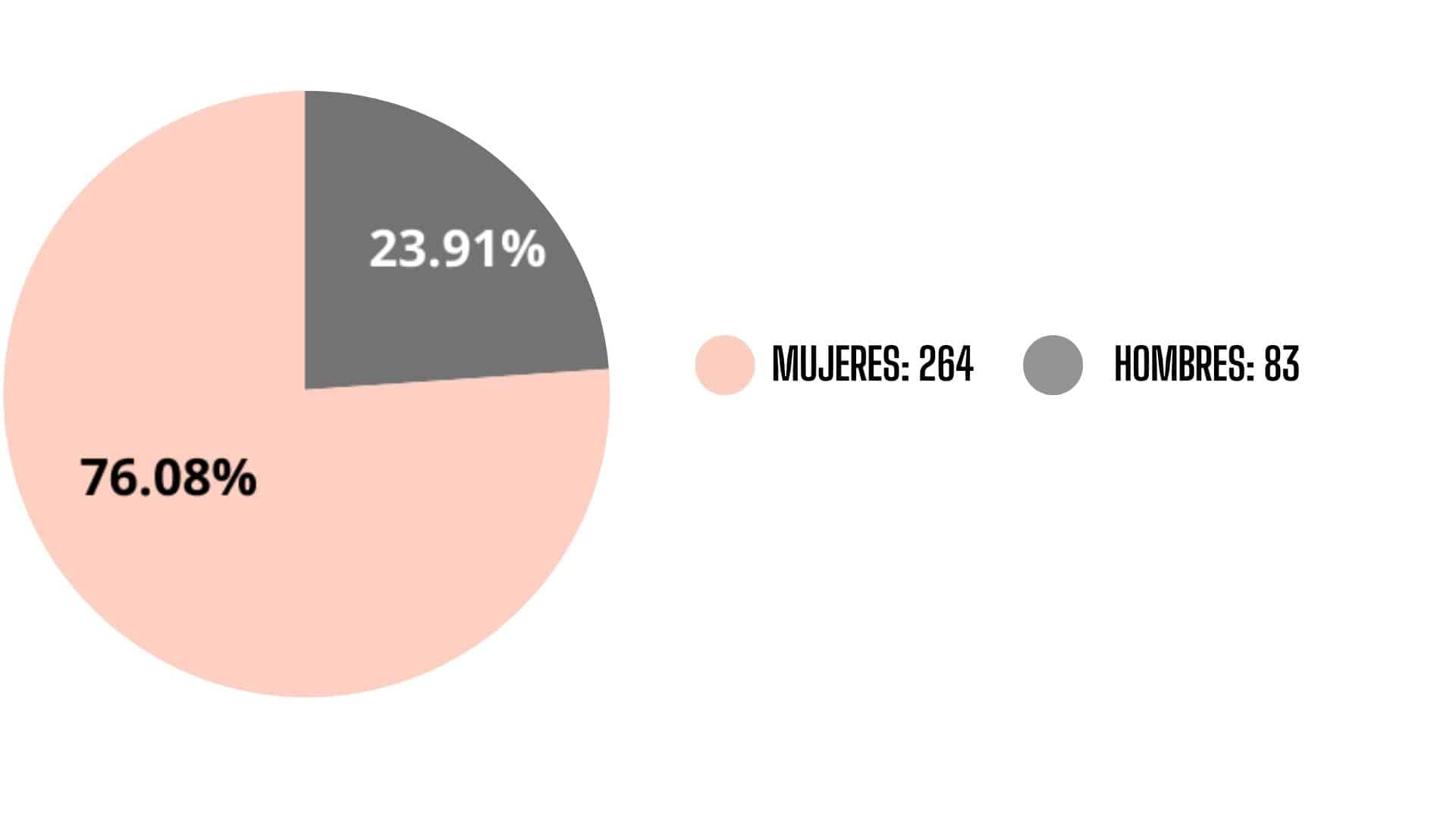
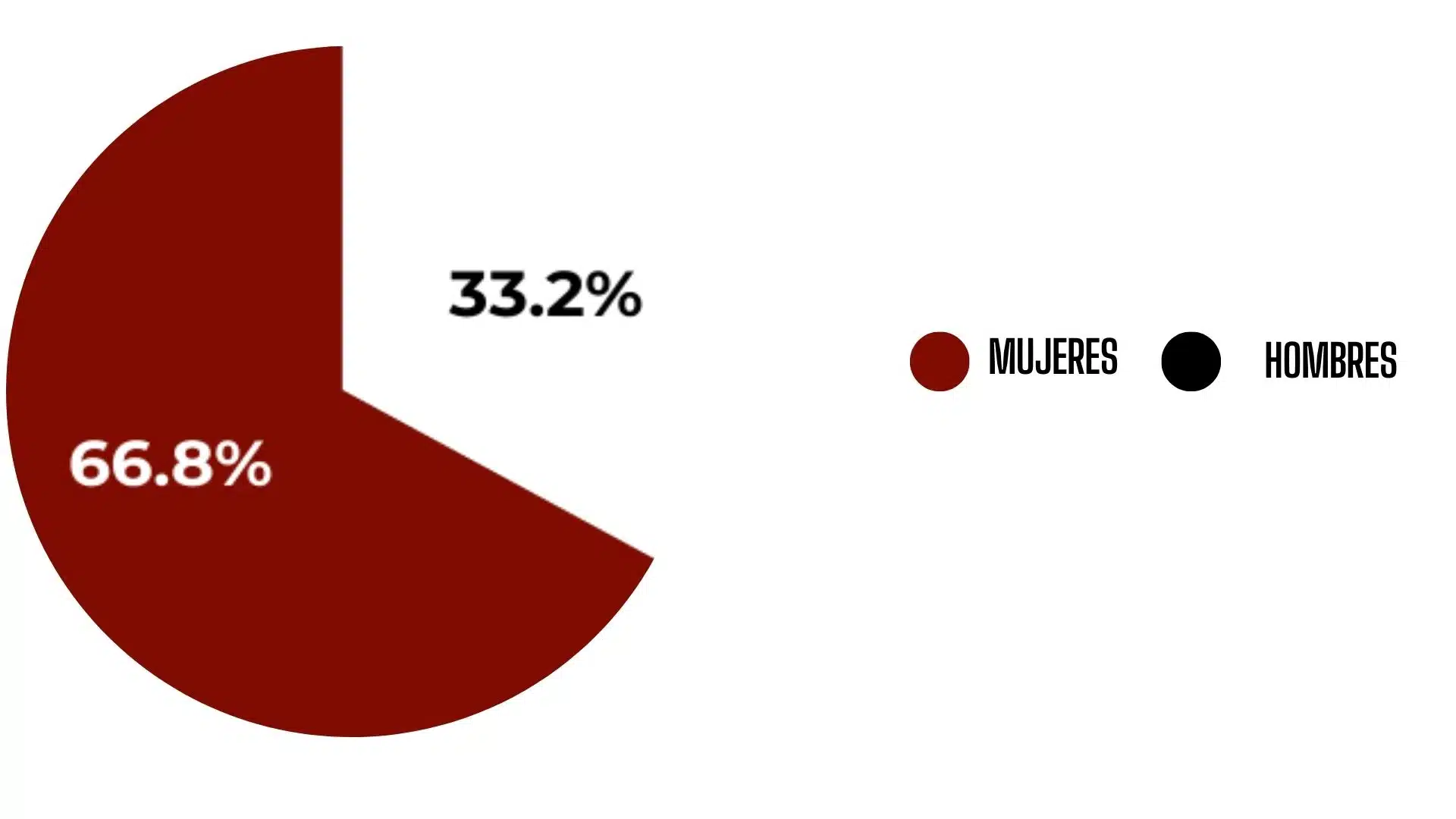
During 2024, 76.08% of the sponsored cases corresponded to proceedings initiated by women (264), while 23.91% of the sponsored trial users were men (83).